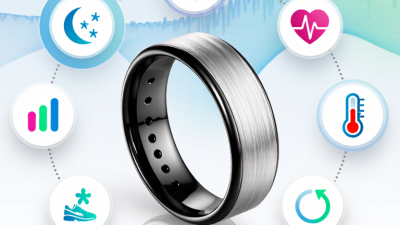
A Heart Rate Monitor Ring is a tiny, friendly gadget that sits comfortably on your finger, keeping track of your health signals throughout the day and night. Inside its sleek exterior, optical sensors emit gentle lights into your skin to measure your pulse by picking up changes in blood flow. Depending on the specific model, it might also monitor your sleep patterns, skin temperature, and how your heart rate varies. And the best part? There’s no screen involved—you’ll usually just see your results on your phone.
Dr. Eric Topol, a well-known expert in digital medicine, talks about this bigger picture, saying, “The future of medicine is the consumerization of healthcare.” Basically, gadgets like this ring make it easier to spot personal health trends, but they’re not perfect at explaining every little change. That spike in your heart rate after climbing stairs, eating late, or having a restless night? Could be many things. Plus, sensors don’t always work great if you’re moving around a lot. Little differences in readings actually matter quite a bit.
Brands like Oura have really helped bring smart rings into everyday chats about sleep and recovery. But a simple graph of your data? It’s not a diagnosis. Remember, these readings are estimated, and features can vary quite a bit from one device to another. And don’t forget—how snug the ring is makes a difference. A loose one might give less reliable info, while a tight fit could get uncomfortable by the time you wake up. That’s one detail folks often miss.
In this guide, I’ll break down what exactly a Heart Rate Monitor Ring tracks, how its sensors work, and where it might fall short. I’ll also cover practical stuff like comfort, battery life, and how to interpret the data. Keep in mind: look at trends to get a general idea, but when it comes to health stuff, always check with a healthcare professional for anything serious or persistent. After all, they’re the real experts when it comes to your health.
Definition and Purpose of a Heart Rate Monitor Ring
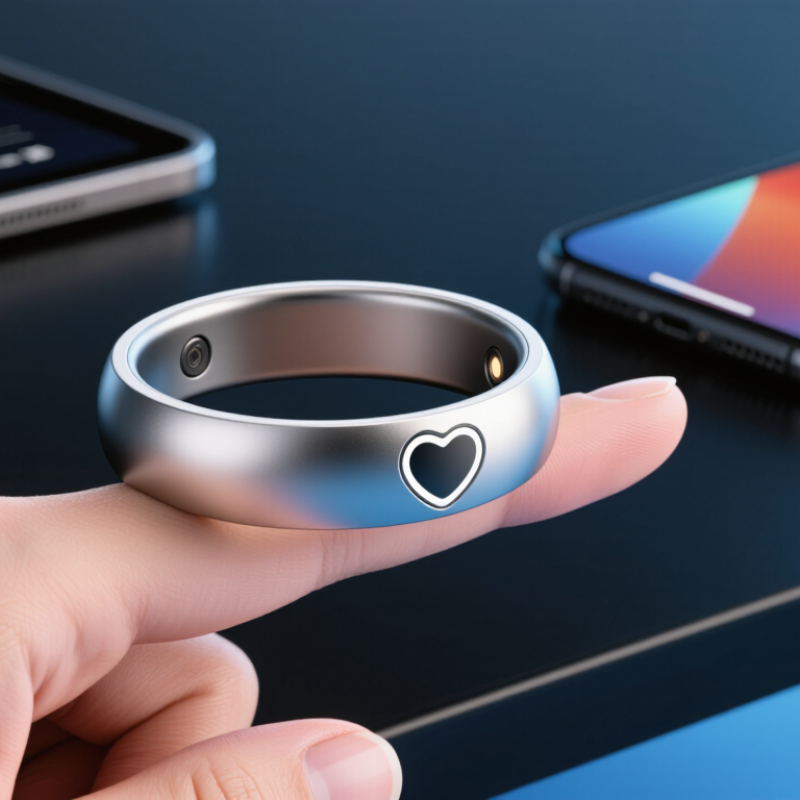
A heart rate monitor ring is a small wearable device that estimates your pulse from a finger. Most use optical sensors, which shine light into the skin and measure changes in blood flow. The ring may record readings throughout the day and night, then display patterns in a companion app. Small, but useful. People often use these trends to notice how their heart rate changes during rest, exercise, or sleep. A search for “China Heart Rate Monitor Ring” may refer to this type of product or to devices made for that market; the phrase alone does not confirm a ring’s quality or accuracy.
The ring’s purpose is everyday tracking, not medical diagnosis. A snug fit helps the sensor stay in contact with your skin, while movement, cold fingers, or a loose ring can affect readings. Fit matters. One isolated number may be less informative than repeated measurements taken under similar conditions. For example, comparing your resting readings after waking can reveal a personal pattern, though it cannot explain the cause of a change. Check the device’s instructions, and treat unusual or persistent symptoms as a reason to seek qualified medical advice rather than relying on a wearable reading. Rings can be convenient, but their small size also means their displays and controls are limited.
Ring Design and Key Components
A heart rate monitor ring looks simple, but several small parts work together beneath its smooth outer shell. On the inner surface, optical LEDs shine light into the finger, while photodiodes measure changes in reflected light. The ring’s processor uses those signals to estimate pulse patterns. It does not directly measure the heart’s electrical activity.
Fit matters. The sensors need steady contact with the skin, without pinching or sliding as you move. A ring that feels comfortable at a desk may shift during a brisk walk. Small details count: rounded edges, a low-profile sensor area, and materials that tolerate sweat and daily wear. Finger temperature and motion can also affect readings.
Not perfect.
Many designs add an accelerometer to help identify movement, plus a battery and wireless components inside the band. These parts compete for limited space, so a thinner ring may have less room for battery capacity. Check how the device explains gaps or uncertain readings; a clean graph can still hide noisy data. The Best Heart Rate Monitor Ring is not simply the one with the most sensors. Reliable fit, clear measurement limits, and a design you can wear comfortably all day matter more.
A small compromise is easy to overlook. A tight edge is not.
How the Ring Measures Heart Rate
A heart rate monitor ring uses photoplethysmography, or PPG, to detect changes in blood volume beneath the skin. Tiny LEDs shine light into the finger, while sensors measure how much light returns. Each heartbeat changes blood flow slightly. The ring’s algorithm turns these repeated changes into an estimated pulse, shown as beats per minute.
Fit matters. A loose ring can shift as you move, disrupting the light signal. Cold fingers may also reduce blood flow near the skin. During exercise, motion can blur the pulse pattern. A 2017 study in Medicine & Science in Sports & Exercise found that wrist-based optical monitors had mean heart-rate errors ranging from about 2% to 7%, depending on the device. That study did not test rings, so its figures offer context, not a ring-specific accuracy claim. The signal is useful, but not perfect.
At rest, readings are usually easier to interpret than during sudden movement. The ring may also average measurements over short intervals, smoothing brief changes. A Heart Rate Monitor Ring Manufacturer should explain how its device handles motion and fit, rather than imply every reading is exact. Tiny details matter. For personal tracking, compare readings under similar conditions and note unusual results. I would still question any single number that conflicts with how you feel.
Health Metrics and Data Displayed
A heart rate monitor ring uses optical sensors against the finger to estimate pulse, often throughout the day and night. Its app may display resting heart rate, heart rate variability, blood oxygen estimates, skin-temperature trends, activity, and sleep duration. These readings are estimates, not a full medical assessment. A cold hand, loose fit, or movement can distort them. Small details matter.
Sleep screens may show time asleep, wake periods, and estimated sleep stages. The American Academy of Sleep Medicine and Sleep Research Society recommend that adults regularly sleep at least seven hours. A ring can help reveal patterns, such as a later bedtime after evening exercise, but its stage labels are not definitive. One rough night does not establish a sleep disorder.
Heart rhythm alerts need careful interpretation. In a 2019 Stanford-led study published in the New England Journal of Medicine, 0.52% of 419,297 participants received an irregular-pulse notification. Among notified participants who returned ECG patches, 34% had atrial fibrillation detected. The study assessed a different wearable setup, so its results do not validate rings specifically. Treat persistent changes or symptoms as a reason to seek clinical advice, not as a diagnosis from an app.
What Is a Heart Rate Monitor Ring? - Health Metrics and Data Displayed
| Metric |
Example Reading |
What It Represents |
How It Is Commonly Displayed |
| Heart rate |
72 beats per minute (bpm) |
The number of heartbeats per minute, measured at different times or during activity. |
Current or continuously sampled readings, often shown as a timeline or graph. |
| Resting heart rate |
60 bpm |
An estimate of heart rate during periods of rest, commonly summarized over a day or night. |
A daily value with a trend comparing recent days or weeks. |
| Heart rate variability (HRV) |
42 milliseconds (ms) |
Variation in the time between successive heartbeats. Wearables often use overnight measurements to show personal trends. |
A nightly or daily value and a trend relative to the wearer’s own baseline. |
| Blood oxygen saturation (SpO₂) |
97% |
An estimate of the percentage of hemoglobin carrying oxygen in the blood, obtained using optical sensors. |
Occasional or overnight readings, depending on the device and its settings. |
| Skin temperature variation |
+0.2°C from personal baseline |
A change in skin temperature measured at the finger. It is not the same as core body temperature. |
A nightly deviation or multi-day trend relative to a personal reference. |
| Respiratory rate |
14 breaths per minute |
An estimate of the number of breaths taken per minute, often calculated during sleep. |
An overnight average and a trend over time. |
| Sleep duration |
7 hours 35 minutes |
The estimated time spent asleep during a sleep period. |
A nightly summary with start time, end time, and duration. |
| Sleep stages |
Light: 4 h 10 min; deep: 1 h 20 min; REM: 1 h 35 min |
Estimated portions of sleep categorized by movement and physiological signals. These are not equivalent to a clinical sleep study. |
A nightly breakdown, commonly shown as a timeline or stacked chart. |
| Activity and steps |
7,850 steps; 42 active minutes |
Movement estimates derived from motion sensors. Step counts and activity classifications may vary by device and wear conditions. |
Daily totals, activity timelines, and progress toward user-set goals. |
|
Example readings are illustrative, not medical advice or universal targets. Ring measurements are estimates and can be affected by fit, movement, circulation, and sensor conditions.
|
Common Uses in Daily Life and Fitness
A heart rate monitor ring can make routine tracking feel less like a workout task. People may check resting heart rate trends after waking, or review overnight readings beside notes about sleep and stress. It is small enough to wear while cooking, commuting, or answering emails. That convenience matters. A ring may also remind someone to pause after a long stretch at a desk, though the reminder only helps if they act on it.
During exercise, users can watch heart rate changes on a walk, bike ride, or gym session. These readings may help compare effort between workouts, but they are estimates, not a diagnosis or a measure of fitness on their own. A snug fit and steady movement can affect the data; cold hands or a loose ring may produce gaps. Check the fit before relying on a session’s numbers. The phrase Heart Rate Monitor Ring Factory refers to production, but what matters in daily use is clear data and honest limits. I would not treat one unusual reading as a verdict. Look for patterns over time, and consider how the numbers match how you actually feel.
Accuracy, Limitations, and Safety Considerations
A heart-rate monitor ring estimates pulse through photoplethysmography: light sensors detect changes in blood volume beneath the skin. A snug fit matters. A loose ring can let movement distort readings, while cold fingers or reduced circulation may weaken the signal. These are estimates, not direct electrical recordings of the heart.
Accuracy depends on context. A 2017 Journal of Personalized Medicine study tested seven wrist-worn trackers in 60 adults and found heart-rate error ranging from 2.4% to 17.9% compared with electrocardiography. The study did not test rings, so its results are a caution, not a ring-specific accuracy rating. Movement can make readings less dependable. Still, a quiet resting measurement may be useful for tracking personal trends.
Treat unusual numbers carefully. A ring may miss brief rhythm problems or show an inaccurate reading during exercise; it cannot diagnose a heart condition. If you feel faint, unusually short of breath, or have chest discomfort, do not wait for a device reading. Seek medical care. For people with known heart conditions, ask a clinician whether ring data fits their monitoring plan. One imperfect reading is not a diagnosis, and a reassuring number is not a guarantee.
For most adults, a resting heart rate of 60–100 bpm is commonly considered typical. A reading below 60 or above 100 is not automatically a sign of a health problem; age, fitness, medicines, symptoms, and other factors matter. Smart rings estimate heart rate using optical sensors, and movement, fit, and blood flow can affect readings. They do not replace a medical assessment.
Android Smartwatch for Men: Heart Rate Tracking, Sports Features, and IP67 Water Resistance
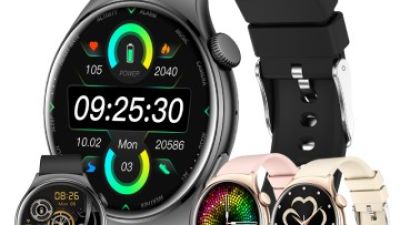
Designed for men who want useful features close at hand, this Android smartwatch combines heart-rate tracking, sports tools, and an IP67 water-resistant design. Pair it with a compatible phone to answer calls from your wrist and receive reminders for texts and app notifications. A quick glance or wrist lift helps you stay updated while commuting, working out, or going about your day, without constantly reaching for your phone.
For training, choose from more than 100 indoor and outdoor sports modes, including running, walking, cycling, basketball, and skipping. The watch records activity such as steps, distance, calories burned, and active minutes, then syncs the information to a mobile app for review. It also tracks heart rate and blood oxygen throughout the day, monitors sleep stages and naps, and provides stress-level readings. IP67 water resistance offers added protection during everyday wear, though it is best to check the care instructions before exposing the watch to water.
FAQS
Tiny LEDs shine light into your finger. Sensors detect changes in returning light as blood flow shifts with each heartbeat. The device estimates beats per minute.
Yes. A loose ring can shift and disrupt the signal. Check that it fits snugly, especially before a workout.
Quiet readings at rest are generally easier to interpret than readings during sudden movement. Some rings average measurements over short intervals. Not perfect.
You can track changes during walks, bike rides, or gym sessions. Movement may blur the signal, so treat workout readings as estimates.
Movement, a loose fit, cold fingers, and reduced circulation can weaken or distort readings. A cold hand may show gaps.
No. Studies cited in the article tested wrist-worn devices, not rings. Their results offer context, not a ring-specific accuracy rating.
No. It may miss brief rhythm problems, and it does not directly record the heart’s electrical activity. One number cannot settle the question.
Compare readings under similar conditions and look for trends over time. Consider how you feel, too. If you feel faint, unusually short of breath, or have chest discomfort, seek medical care.
Conclusion
A Heart Rate Monitor Ring is a compact wearable designed to track pulse and provide a convenient view of selected health and activity patterns. Its lightweight circular design typically houses optical sensors, a small battery, and wireless components. Worn on a finger, the ring uses light to detect changes in blood flow with each heartbeat and estimates heart rate from those signals. Depending on its features, it may also record trends such as resting heart rate, sleep patterns, activity, and estimated recovery, with results shown in a companion digital display.
People may use a ring to follow everyday wellness trends, support exercise routines, or notice changes over time. Readings can be affected by fit, movement, skin temperature, circulation, and sensor quality, so they are estimates rather than a substitute for professional medical assessment. Users should choose a comfortable fit, follow the device instructions, and seek qualified medical advice about concerning symptoms or health decisions.