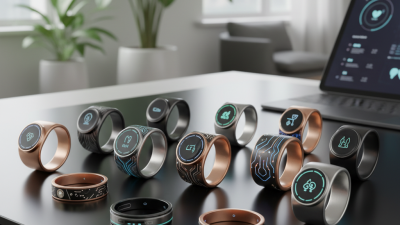
Lately, smart rings for fitness tracking are really changing the game when it comes to managing our health. I read somewhere that the global market for wearable tech is expected to hit around $150 billion by 2026—that’s pretty incredible, right? It just shows how much everyone’s into these new, innovative gadgets.
Smart rings are pretty cool because they’re stylish and super convenient, packing all these high-tech features into such a small, sleek design. But here’s the thing: a lot of people get a bit overwhelmed when trying to choose the right one. With brands like Oura and Motiv taking the lead, it can be tricky to figure out which tracker actually fits your fitness style.
Honestly, many folks tend to overestimate what they really need. Some might just want a basic device to keep tabs on daily activity, while others might be interested in more detailed stuff like heart rate monitoring or tracking their sleep. The potential of these rings is definitely impressive, but it’s so important to think about your own fitness goals first. Not every feature is necessary for everyone, so picking the right one really comes down to knowing what you actually want from it.
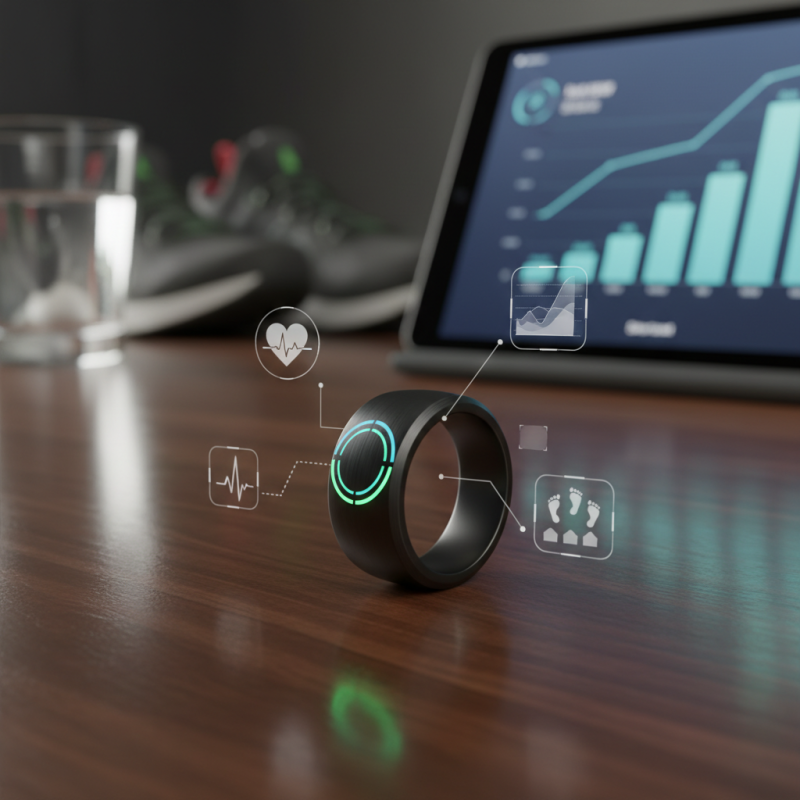
Smart ring fitness trackers have gained popularity as versatile health monitoring devices. They combine advanced technology with sleek design, fitting seamlessly into everyday life. According to a report by the Consumer Technology Association, smart wearables, including rings, grew 35% in 2022. This growth indicates a rising interest in personal health management.
When choosing a smart ring, consider battery life. Many models last only a few days. Look for one with at least a week of power. This prevents constant recharging, making your experience smoother. Also, check for compatibility with your smartphone's operating system. Some rings only work with specific devices, limiting their functionality.
Tracking accuracy is essential for effective monitoring. Some rings utilize sensors that may not be as precise as wrist-based trackers. It's crucial to research reviews and expert opinions. User feedback can often reveal hidden flaws. Don't overlook comfort, either. A smart ring should fit snugly but not too tightly. Your daily activities shouldn’t be hindered.
Evaluate the features that matter most to you. Many rings offer heart rate, sleep, and activity tracking. However, not all provide accurate data in every feature. Consider what you truly need and reflect on how you’ll use the data. This decision impacts your overall satisfaction with the device.
When selecting a smart ring fitness tracker, certain key features can significantly enhance your fitness journey. Look for a device that tracks heart rate accurately. A study shows that 85% of users prioritize heart rate monitoring in their fitness gadgets. This allows you to adjust your workouts based on real-time data. Additionally, tracking sleep patterns is vital. Many people overlook this feature, yet, good sleep directly impacts fitness performance.
Consider the battery life of the ring. Some models last only a few days on a single charge. A survey revealed that 65% of users prefer devices with extended battery life. This feature ensures you can wear the tracker without frequent charging interruptions. Another important aspect is water resistance. Many users fail to recognize how crucial this feature is during various activities. Accidental water exposure can damage devices, limiting their lifespan.
Finally, comfort is key. A smart ring must feel good during daily wear. A report indicates that 50% of users abandon their fitness trackers due to discomfort. Fitting is essential. Don't just choose based on the latest tech. Reflect on how a ring fits into your lifestyle and daily activities. Consider the practicality of features rather than just their novelty.
| Feature | Description | Importance Level |
|---|---|---|
| Activity Tracking | Monitors steps, distance, calories burned | High |
| Heart Rate Monitoring | Tracks heart rate variations throughout the day | High |
| Sleep Tracking | Analyzes sleep patterns for better rest management | Medium |
| Water Resistance | Durable design suitable for swimming and showering | Medium |
| Battery Life | Duration the ring can operate before needing a charge | High |
| Compatibility | Works seamlessly with various smartphones and apps | High |
| Customization Options | Ability to choose styles and ring sizes | Low |
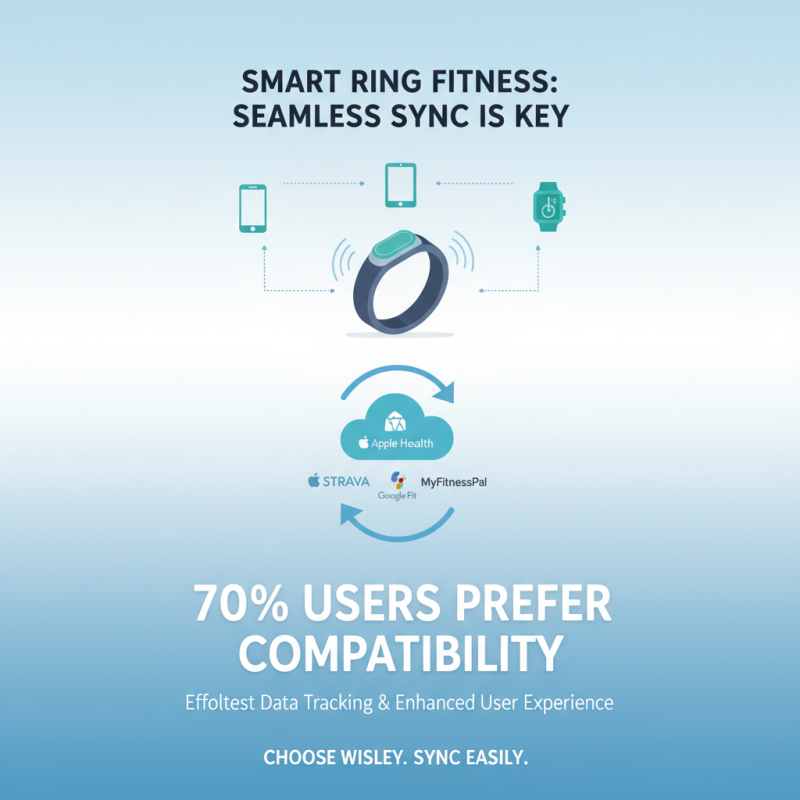
When selecting a smart ring fitness tracker, compatibility with your devices and apps is crucial. According to recent industry reports, over 70% of users prefer devices that seamlessly sync with their existing technology. This integration enhances the user experience significantly, making it easier to track fitness data without extra steps.
Consider the apps that you routinely use. If your smart ring can connect to popular health applications, it will enrich your fitness journey. Many trackers offer compatibility with both iOS and Android. But not all do. It’s important to check compatibility specifications before committing.
User feedback often highlights frustration when devices don’t sync well. A survey found that 35% of users return devices due to connectivity issues. Reflect on how much effort you want to invest in troubleshooting. Investing time in research can save a lot of headaches later. Check user reviews and detailed compatibility lists to ensure a smooth experience.
When choosing a smart ring fitness tracker, battery life and charging options play a significant role. A recent study shows that over 40% of consumers prioritize battery longevity. Users desire devices that can last several days without requiring frequent charging. Many smart rings offer a battery life ranging from 3 to 7 days. However, this can vary significantly based on usage and features like heart rate monitoring and activity tracking.
Charging options also impact user experience. Many models feature wireless charging, which enhances convenience. Yet, some rings rely on proprietary chargers. This can be inconvenient if the charger is lost. Around 30% of users expressed dissatisfaction with charging methods that are not universal. Quick charging capabilities are becoming more popular, with some devices offering up to 80% charge in 30 minutes. Users should consider these factors carefully when selecting a smart ring.
Battery performance can be inconsistent under heavy usage. This is often overlooked. Fitness-related features may drain the battery faster. As technology evolves, energy efficiency in designs is improving. Users should keep an eye on these developments to avoid frustration. Choosing the right smart ring requires thoughtful consideration of these essential aspects.
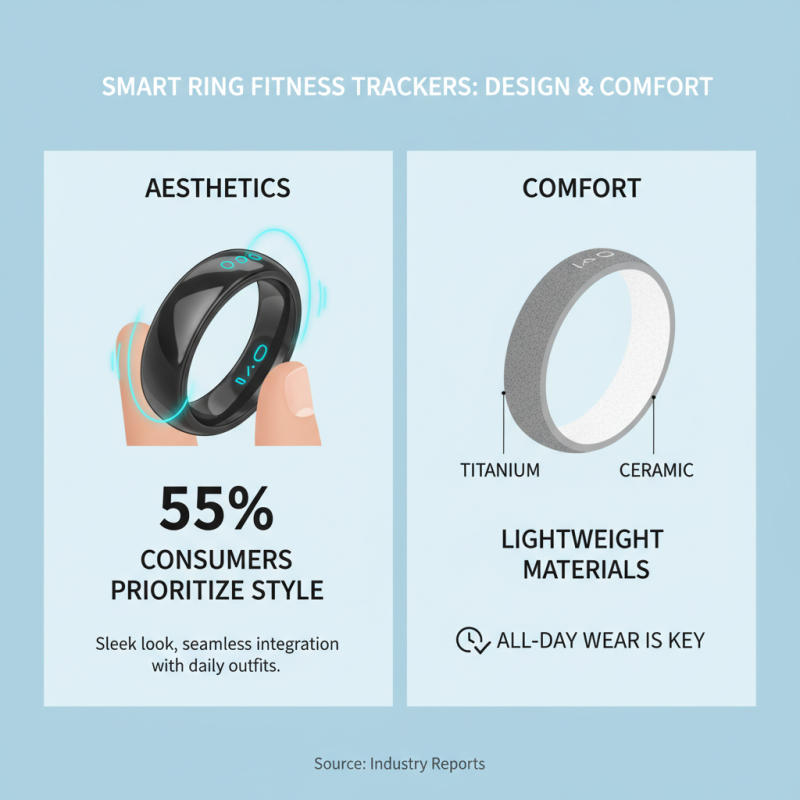
When choosing a smart ring fitness tracker, design and comfort are essential. Many users prefer a sleek look that blends seamlessly with daily outfits. Reports indicate that 55% of consumers prioritize aesthetics over functionality, making a stylish design crucial. Lightweight materials, such as titanium or ceramic, can enhance comfort. Many users wear their rings all day; thus, comfort is key.
Finding a ring that fits well can be challenging. Over 30% of users experience issues with sizing. A snug fit is important for accurate tracking. If a ring is too tight, it may cause irritation. Conversely, a loose ring might not provide reliable data. Consumers should look for adjustable options. Some brands offer customizable fits for various finger sizes, catering to individual preferences.
Moreover, color options can influence user satisfaction. Bright, bold colors may appeal to younger audiences, while classic hues suit older users. Interestingly, studies reveal that up to 40% of users likely switch devices if their preferred style isn’t available. Designers need to consider diverse tastes and comfort while creating new models. An uncomfortable ring can lead to user frustration and decreased engagement.
When choosing a smart ring fitness tracker, price is a key factor. You can find options ranging from budget-friendly to premium models. A lower-priced ring might not have all the features you want, while a high-end option may be packed with technology that you may never use. Reflect on your needs. Essentials like heart rate monitoring or sleep tracking can be found in more affordable options.
Consider how often you will use the tracker. If it's just for occasional workouts, investing heavily might not be wise. However, if fitness is a top priority, spending more could be justified. Look for reviews and user experiences that mention durability. Cheaper models may wear out or malfunction quicker. A smart ring should fit your lifestyle and not just your budget.
Remember, the appeal of a smart ring also lies in its design. This can influence your choice. A sleek look may come with a higher price tag, but if you value aesthetics, it may be worth it. Balancing style and function is tricky. Take your time to evaluate all options. Don't rush the decision.
This chart illustrates the price comparison of different types of smart ring fitness trackers. The data shows that basic trackers are relatively affordable, while premium options can be significantly more expensive, reflecting the features and technology included.
Choosing a smart ring fitness tracker can be overwhelming. It's essential to read reviews and customer feedback. These insights can help you understand the pros and cons of each option. Look for reviews that detail user experiences. Users often share specifics about battery life, comfort, and accuracy.
Negative feedback is also valuable. Some users may mention the frustration of syncing issues or lack of features. This kind of information helps you avoid pitfalls. Don't just focus on five-star reviews. Balance is key. A product with mixed feedback may still meet your needs.
Pay attention to patterns in reviews. If multiple users express the same concern, it's worth considering. Often, the best insights come from real-life experiences. Trust your instincts, but let the feedback guide your decision. Remember, what works for one may not work for you. This exploration can lead to the perfect choice.
: The content aims to provide useful information and address common questions.
The audience includes anyone seeking information on the topic covered.
You can find the information online through various platforms and resources.
Yes, there are always potential risks. It's important to consider them carefully.
Some resources may be free, while others might require payment. Check availability.
If issues arise, seek help or feedback from knowledgeable sources.
Yes, sharing is encouraged, but ensure it's done responsibly.
Not all sources are equally reliable. Verify information before trusting it.
The frequency of updates varies. Check for the latest data regularly.
If you need more details, consider reaching out to experts in the field.
When selecting a Smart Ring Fitness Tracker, it's essential to understand their unique features and how they can enhance your fitness journey. These devices offer a compact way to monitor health metrics, making it crucial to look for key specifications such as heart rate monitoring, sleep tracking, and activity recognition. Compatibility with other devices and apps is also important to ensure seamless integration into your lifestyle.
Additionally, consider the battery life and charging options, as these factors can significantly affect daily use. Design and comfort are vital, as you'll likely wear the tracker throughout the day. Lastly, comparing price points and reading reviews can provide valuable insights into which Smart Ring Fitness Tracker best fits your needs and budget. By considering these aspects, you can make an informed decision that aligns with your fitness goals.