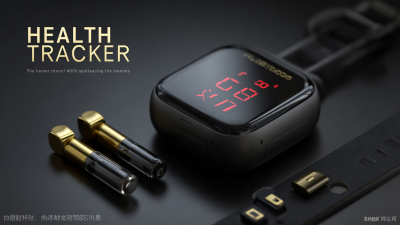
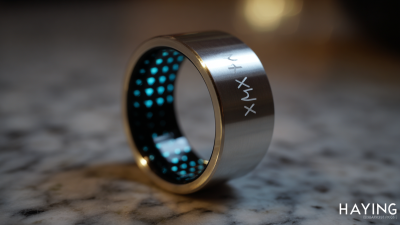
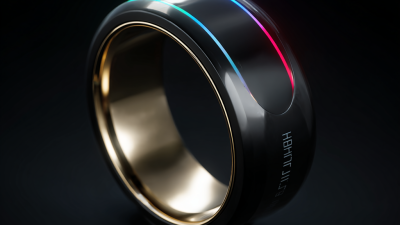
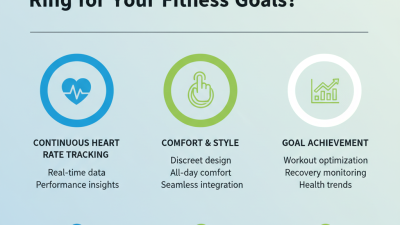
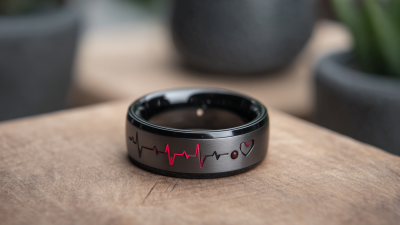
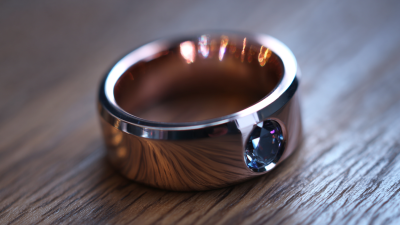
Lately, there’s been a real buzz around how technology’s blending more and more with our health. Take smart rings, for example — they’re kind of a big deal right now. Not only do they look pretty sleek and stylish, but they also pack a punch when it comes to giving you important health insights. With the rise of options like Smart Ring Health, folks are able to keep an eye on their well-being more discreetly and with less hassle. It really shows how much we’re all starting to care about managing our health better.
There are quite a few companies jumping into the smart ring game now, and each one’s got its own little twist. For instance, Oura Ring mostly focuses on tracking your sleep and helping you recover, while Motiv Ring leans more into fitness stuff. But here’s the thing — picking the right smart ring can be a bit tricky. You’ve got to sift through different options, price points, and features. Not all smart rings are created equal, and some just aren’t super accurate — which matters a lot if you’re really into getting reliable data.
And let’s be honest — even the coolest smart ring isn’t a magic bullet. It’s definitely a tool to help you, but you should still check in with healthcare pros for proper health advice and checkups. The key is finding a good balance between relying on your tech and sticking to traditional medical guidance. Looking into the best smart rings can feel a bit overwhelming at first, but if you do your homework, it’s totally doable to find one that’s right for you and your health journey.
Overview of Smart Rings and Their Health Monitoring Capabilities
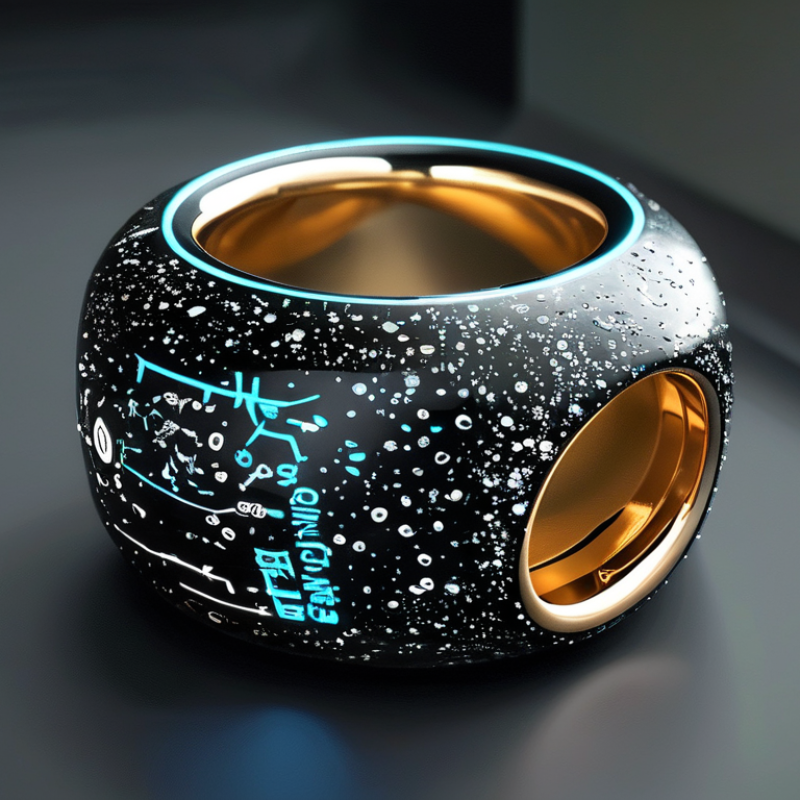
Smart rings have emerged as a popular tool for health monitoring. They offer convenience and style, seamlessly fitting into daily life. These devices track vital metrics, such as heart rate and sleep patterns, providing users with valuable insights. The technology is compact, often resembling traditional rings. Yet, they pack advanced sensors that gather health data throughout the day.
Many people rely on a Smart Health Ring to monitor their wellness. Accuracy can vary, though, making it essential to research and choose wisely. Some users report discrepancies in data. Monitoring can become less reliable if the device is not worn correctly. It’s important to find a comfortable fit to maximize effectiveness. Regular updates in software can enhance functionality and health metrics.
While the benefits of these rings are notable, challenges remain. Privacy concerns arise with the collection of personal health data. Additionally, battery life can limit usage, requiring frequent recharging. Despite these obstacles, the appeal of a Smart Health Ring continues to grow, blending technology and health in a unique way.
Key Features to Look for in a Smart Ring for Health Tracking
When choosing a smart ring for health tracking, certain features can significantly enhance your experience. Battery life is crucial. A ring that lasts at least five days on a single charge can save you the hassle of frequent recharging. Consider displays, as some rings feature LED indicators to show vital signs at a glance.
Heart rate monitoring should be accurate. Many rings now use advanced sensors that provide real-time data. Look for a device that tracks irregular heartbeats for more comprehensive health insights. Sleep tracking is another vital aspect. Some rings analyze sleep patterns, providing feedback on sleep quality and duration. This can be particularly beneficial for improving overall wellness.
Customization options can enhance usability. A ring that allows you to set personalized health goals can motivate you to stay on track. Material choices matter too. Consider options that are hypoallergenic and durable. While many rings offer impressive features, they may not be perfect. Accuracy can vary between devices, which requires reflection on how much you rely on this technology. Keeping these factors in mind can lead to smarter choices as you navigate the world of health monitoring.
Top 10 Smart Rings for Health Monitoring
Top 10 Smart Rings for Health Monitoring: A Comprehensive Review
The rise of smart rings marks a significant innovation in health monitoring technology. According to a recent industry report, the wearable health device market is projected to reach $60 billion by 2025. Smart rings offer valuable tracking features. They monitor heart rate, sleep patterns, and even blood oxygen levels. This technology is becoming increasingly reliable and user-friendly.
Many smart rings incorporate advanced sensors to provide accurate data. For example, some models use photoplethysmography to measure blood flow and heart rate variability. Users can access this data instantly through connected mobile applications. This instant access enhances the user experience but also raises questions about data privacy and security.
Despite their benefits, smart rings are not perfect. Battery life can vary significantly, affecting usability. Some users report discomfort during extended wear. This feedback highlights the need for manufacturers to improve design and functionality. As smart ring technology evolves, addressing these issues will be essential for widespread adoption.
Top 10 Smart Rings for Health Monitoring: A Comprehensive Review
| Rank |
Feature |
Battery Life |
Water Resistance |
Price Range |
| 1 |
Heart Rate Monitoring, Sleep Tracking |
3 days |
IP68 |
$200 - $250 |
| 2 |
Activity Tracking, Heart Rate |
5 days |
IP67 |
$150 - $200 |
| 3 |
Stress Monitoring, Sleep Analysis |
7 days |
IP68 |
$100 - $150 |
| 4 |
Body Temperature, Heart Rate |
10 days |
IP68 |
$250 - $300 |
| 5 |
Fitness Tracker, Sleep Monitoring |
4 days |
IP65 |
$80 - $120 |
| 6 |
Calorie Tracking, Heart Rate |
6 days |
IP67 |
$90 - $140 |
| 7 |
Oxygen Saturation, Stress Tracking |
5 days |
IP68 |
$130 - $180 |
| 8 |
Fitness Goals, Sleep Insights |
8 days |
IP65 |
$60 - $100 |
| 9 |
Heart Rate, Activity Levels |
4 days |
IP68 |
$110 - $150 |
| 10 |
Real-time Heart Monitoring |
3 days |
IP67 |
$75 - $125 |
Comparative Analysis of Smart Ring Accuracy and Reliability
Smart rings have gained popularity for health monitoring, but their accuracy varies widely. A recent study highlighted that while some devices show promising heart rate readings, they may struggle with sleep tracking. Reports indicate discrepancies of up to 30% in oxygen saturation levels between different rings. This raises questions about their reliability as health monitoring tools.
Tip: When choosing a Health Smart Ring, look for third-party testing. Model comparisons can unveil critical differences in accuracy. Data from the Journal of Medical Internet Research emphasizes focusing on user reviews and clinical validation. High ratings often come from models proven effective in controlled environments.
Some smart rings lack features that users may expect. For instance, certain models fail to provide consistent blood pressure readings or track physical activity accurately. It's essential to remember that no device is perfect. Regularly updating firmware can help enhance performance, but it does not guarantee precision. Always consult with health professionals when interpreting data from these wearables.
User Experiences: Feedback on Smart Rings for Health Monitoring
The user experiences around smart rings for health monitoring reveal both successes and challenges. Many users appreciate the convenience of tracking vital signs with a simple touch. They find it easy to monitor heart rate, sleep patterns, and even stress levels. There’s a sense of empowerment in having health data readily available. However, not all feedback is positive. Some users report issues with accuracy. Inconsistent readings can lead to frustration.
Several users express concern over battery life. Frequent recharging interrupts usage. Users want a device that integrates seamlessly into their daily lives. They seek a balance between functionality and longevity. Additionally, comfort is a common theme. While many rings boast sleek designs, some have experienced irritation during long wear. It prompts a reevaluation of material choices and designs.
Privacy is another critical aspect. Users want reassurance that their data is secure. Trust plays a key role in adopting health tech. Many insist on transparency about how their data is managed. These reflections highlight the importance of continuous improvement in these useful yet imperfect devices. Real-life feedback can guide future designs, improving user satisfaction and trust.
Future Trends in Smart Ring Technology and Health Applications
The future of smart ring technology for health monitoring looks promising. According to a recent report by the Global Wearable Technology Market, the market for smart wearables, including smart rings, is expected to reach $100 billion by 2025. Health applications are at the forefront of this growth. Smart rings are becoming essential tools for tracking vital signs such as heart rate, temperature, and sleep patterns.
Experts predict integration with AI will enhance these devices. This means smarter algorithms for better health insights. Yet, concerns about data privacy remain. Trust in technology can falter when users feel their data might be exposed. This uncertainty highlights the need for robust security protocols.
Tip: Always review privacy policies when using smart devices. It's crucial to ensure your data is handled securely.
With their sleek design, smart rings can appeal to a broader audience. Features like blood oxygen monitoring are becoming standard. However, accuracy can vary across different models. Users should be aware that not all smart rings deliver the same level of health insights.
Tip: Research and read reviews before purchasing a Smart Ring For Health. Make informed decisions based on user experiences.
In the evolving landscape of personal health technology, smart rings are leading the charge. Yet, the potential for improvement continues to offer room for thought and discussion.
Tips for Choosing the Right Smart Ring for Your Health Needs
When selecting a smart ring for health monitoring, it’s crucial to consider your unique health needs. Recent industry reports note that about 70% of users find personalized alerts beneficial. This could mean tracking heart rate, sleep patterns, or stress levels. The Smart Health Ring 2023 offers various functionalities, allowing users to choose features that specifically align with their health goals.
Battery life is another key element to evaluate. Some smart rings offer up to a week of usage on a single charge. Others might require daily charging, which can be a hassle for consistent monitoring. A study highlighted that people prefer devices that seamlessly integrate into their daily lives. Comfort and design also play significant roles. If a ring isn’t comfortable or fits poorly, users may not wear it consistently.
Moreover, think about the accuracy of data collected. Not all smart rings provide reliable metrics. Research shows discrepancies in tracking accuracy affecting about 40% of devices. It's beneficial to read user reviews and expert opinions. This ensures you choose a smart ring that not only looks good but also meets your health monitoring needs effectively. Always stay informed and choose wisely to maximize the benefits of your Smart Health Ring 2023.
Enhancing Your Prayer Experience: The Benefits of Oem Digital Tasbeeh Tasbih Finger Counter Smart Rings for Muslims
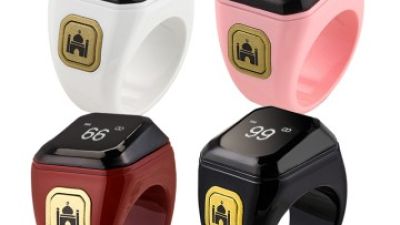
In today's fast-paced world, enhancing your prayer experience can be greatly facilitated through innovative tools designed for spiritual practices. The Oem Digital Tasbeeh Tasbih Finger Counter Smart Rings provide an incredible way for Muslims to engage with their faith more fully. This smart accessory merges the traditional values of prayer and remembrance with modern technology, allowing users to maintain their spiritual commitments effortlessly.
One standout feature is the integrated Bluetooth capability, which syncs seamlessly with both Android and iOS devices. This connection not only helps users keep track of their prayer times but also sends reminders, ensuring that spiritual obligations are prioritized even amidst a busy schedule. The ring's easy-to-use button allows for swift daily tasbih counts, making it a practical choice for those who engage in dhikr regularly. As you count your remembrances, the ring provides tactile feedback by vibrating at significant milestones, such as 33, 66, or 99 counts, creating a more engaging spiritual experience.
Comfortably designed and lightweight, the ring is available in various sizes to fit different preferences, promoting ease of wear throughout the day. It serves as a constant reminder of one's faith while providing modern functionalities that respect the traditional practice of prayer and remembrance. With this innovative tool, the daily connection to spirituality can be strengthened, making every moment of reflection more meaningful.
FAQS
: Smart rings monitor vital metrics, including heart rate, sleep patterns, and blood oxygen levels.
Accuracy can vary. Users may experience discrepancies in data if not worn correctly.
Finding a comfortable fit is key. Some users report irritation from extended wear.
Battery life varies and can require frequent recharging, impacting usability.
Yes, users worry about data privacy and want assurance on how data is managed.
Yes, users can access health data instantly through connected mobile applications.
Common issues include inaccurate readings and discomfort during long usage periods.
The design should balance functionality and comfort, as some users report discomfort.
Users seek enhancements in battery life, design comfort, and data accuracy.
Real-life experiences guide improvements, fostering trust and satisfaction with smart rings.
Conclusion
Smart Ring Health technology is an innovative approach to personal wellness, combining advanced tracking capabilities with the convenience of wearing a ring. This article explores the essential features that consumers should consider when selecting a smart ring for health monitoring, such as heart rate tracking, sleep quality assessment, and activity logging.
In addition, it presents a comprehensive review of the top ten smart rings available on the market, emphasizing their accuracy and reliability in health tracking. User experiences highlight the practical benefits and challenges associated with these devices, providing valuable insights for prospective buyers. As smart ring technology continues to evolve, future trends suggest even greater integration with health applications, enhancing the potential for personalized health monitoring. Ultimately, this guide serves as a resource for those looking to choose the right smart ring to meet their health needs effectively.