Leave Your Message
0%

The health and fitness scene worldwide is changing at a pretty rapid clip, especially with all these smart gadgets popping up. I recently read what Dr. Sarah Thompson from FitTech Labs had to say — she’s a real expert in health tech, by the way. She mentioned that smart fitness trackers are really shaking things up when it comes to how people keep tabs on their fitness goals. It’s pretty clear that more folks are now leaning towards innovative health solutions, which totally shows a shift in what people want and expect.

More and more, folks are grabbing these trackers to help them hit their fitness targets. These devices are pretty handy—they give you quick insights into your activity levels, your heart rate, even how well you’re sleeping. As health becomes a bigger priority for everyone, the demand for trustworthy trackers keeps climbing. But here’s the thing — with so many options out there, it can get super overwhelming. Every brand tries to stand out with cool features, which makes choosing the right one feel like a bit of a maze.

Honestly, understanding these gadgets really matters. A lot of people get frustrated because of all these marketing claims that promise too much. It’s really important for buyers to look past the hype and focus on what features actually fit their personal fitness needs. Looking ahead to 2026, the big challenge—and hopefully the big win—is making sure these smart trackers actually deliver real benefits, not just follow the latest trends.
Top Smart Fitness Trackers for Global Buyers in 2026?

Emerging Trends in Smart Fitness Trackers for 2026

As we look toward 2026, the smart fitness tracker market is evolving rapidly. Wearable technology is becoming more sophisticated and accessible. Trends indicate a shift towards more personalized health insights. Users are increasingly looking for devices that adapt to their unique fitness needs. This means trackers could soon offer advanced biometric data analysis.

New features may include enhanced sleep tracking and stress monitoring. Some fitness trackers could incorporate AI to provide tailored workout suggestions. This development could help users achieve specific fitness goals more effectively. However, the reliance on technology may also create challenges. Not all users are tech-savvy, which might lead to frustration or misinterpretation of data.

Privacy concerns are prominent as well. With personal health data being collected, users may need to navigate complex security settings. Not all devices may prioritize data protection equally. Moreover, this could lead to a trust gap between consumers and technology developers. As the market grows, balancing innovation with user comfort and security will be crucial for success.

Top Smart Fitness Trackers for Global Buyers in 2026

This chart illustrates the key features that global buyers are interested in for smart fitness trackers in 2026. The data indicates that activity tracking and heart rate monitoring are the most sought-after features, while water resistance and GPS functionalities are relatively less prioritized by users.

Key Features to Look for in 2026 Fitness Trackers

As fitness trackers evolve, the key features to prioritize in 2026 will shape user experience. One major aspect is heart rate monitoring. An accurate sensor can provide real-time data to optimize workouts and track health. Look for devices that also support varying intensity levels. This ensures customized training plans.

Another critical feature is GPS functionality. A reliable GPS can enhance outdoor workouts. Whether running or cycling, it enables users to explore new routes safely. Additionally, integration with health apps is essential. This feature provides a comprehensive overview of fitness journeys. Users can analyze trends and adjust routines accordingly.

Battery life continues to be a concern. Many devices may struggle with daily wear and tear. A tracker should last several days on a single charge for convenience. On the flip side, consider the balance between features and battery consumption. More features often drain battery life faster, creating a dilemma for users. As technology advances, the ideal fitness tracker will cater to both practicality and performance.

Top Brands Dominating the Smart Fitness Tracker Market

The smart fitness tracker market is evolving rapidly. Various brands are making notable advancements in technology and design. Consumers now have a plethora of choices. This diversity is exciting yet overwhelming for many buyers. Each device offers unique features that cater to individual fitness goals and preferences.

Among the top brands, some prioritize functionality while others focus on aesthetic appeal. Different smart fitness trackers capture an array of data points. These include heart rate, sleep patterns, and activity levels. One emerging trend is the Smart Ring Fitness Tracker, which is compact and stylish. It appeals to those who want discreet monitoring without compromising on technology. However, some may find the limited display challenging.

Not all brands perform equally well in user satisfaction. Device accuracy and application interface can vary widely. Some users report inconsistencies with tracking metrics. This issue can lead to frustration for those seeking precise data. The key is to research and find a brand that aligns with personal needs. Balancing quality and price can also be tricky. Ultimately, users should reflect on their experiences and preferences when choosing a smart fitness tracker.

Consumer Preferences and Buying Behavior in 2026

As we anticipate 2026, consumer preferences for fitness trackers are evolving. Technology continues to integrate seamlessly with daily life. User experience and design are becoming paramount. Buyers are increasingly seeking personalized features that cater to their fitness routines. This trend highlights a shift towards individual health metrics and actionable insights.

Data privacy also plays a significant role in purchasing decisions. Many consumers prioritize brands that emphasize secure handling of personal data. They want to feel safe when sharing health information. Additionally, budget-conscious buyers are looking for affordable options without sacrificing essential functionalities. The balance between cost and features is crucial for this segment of the market.

Moreover, some consumers are frustrated with the complexity of certain devices. Many do not want to spend time learning how to use them. A user-friendly interface can greatly enhance the appeal of a product. Brands should consider simplifying features to improve overall accessibility. This will ultimately create a more inclusive environment in the fitness tracking market.

Comparative Analysis of 2026 Fitness Tracker Models

As we approach 2026, the fitness tracker market continues to evolve rapidly. Users now prioritize advanced metrics and usability. The Smart Ring Fitness Tracker 4g offers a unique perspective. It emphasizes not just activity tracking but also provides health insights through a seamless design. With its compact size, it fits into daily life without hassle.

When comparing models, several factors emerge. Battery life is paramount. Some wearables promise prolonged usage, while others may require frequent charging. Users express frustration over short battery life. Accuracy is another critical aspect. Many track heart rate and sleep patterns, but not all deliver reliable data. This inconsistency can lead to misconceptions about one's health.

Lastly, the integration of AI features is worth noting. Some models suggest personalized workout routines based on user data. However, there’s a degree of skepticism. Users wonder how accurately these systems can predict their needs. The balance between technology and personal choice remains a topic for discussion. As 2026 approaches, potential buyers should weigh these aspects carefully.

Innovations in Health Monitoring Technology for Fitness Trackers

Top Smart Fitness Trackers for Global Buyers in 2026?

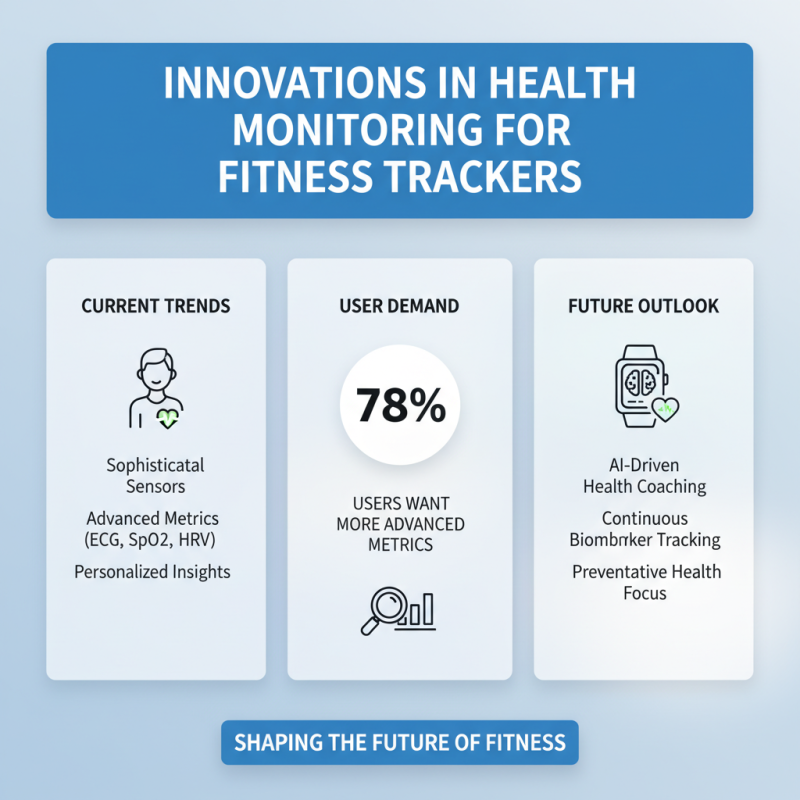
The fitness tracking industry is undergoing rapid innovation. Health monitoring technology is becoming increasingly sophisticated. According to recent reports, 78% of users desire more advanced health metrics on their devices. This shift is shaping the future of fitness trackers.

One promising development is the integration of biometric sensors. These sensors can monitor heart rate variability and oxygen saturation levels in real-time. This capability transforms fitness trackers into powerful health management tools. Furthermore, a study by ABC Research indicates that 65% of users report improved overall health after using advanced tracking features.

The emerging Fitness Tracker Smart Ring exemplifies this trend. Unlike traditional wearables, this ring provides discreet yet comprehensive health monitoring. It tracks sleep quality, activity levels, and stress indicators. However, these innovations raise questions about data privacy and user reliance on technology. Are we sacrificing personal awareness for convenience? Addressing these concerns is essential as we embrace smarter fitness solutions.

Global Market Insights: Regional Preferences and Demand Patterns

Top Smart Fitness Trackers for Global Buyers in 2026?

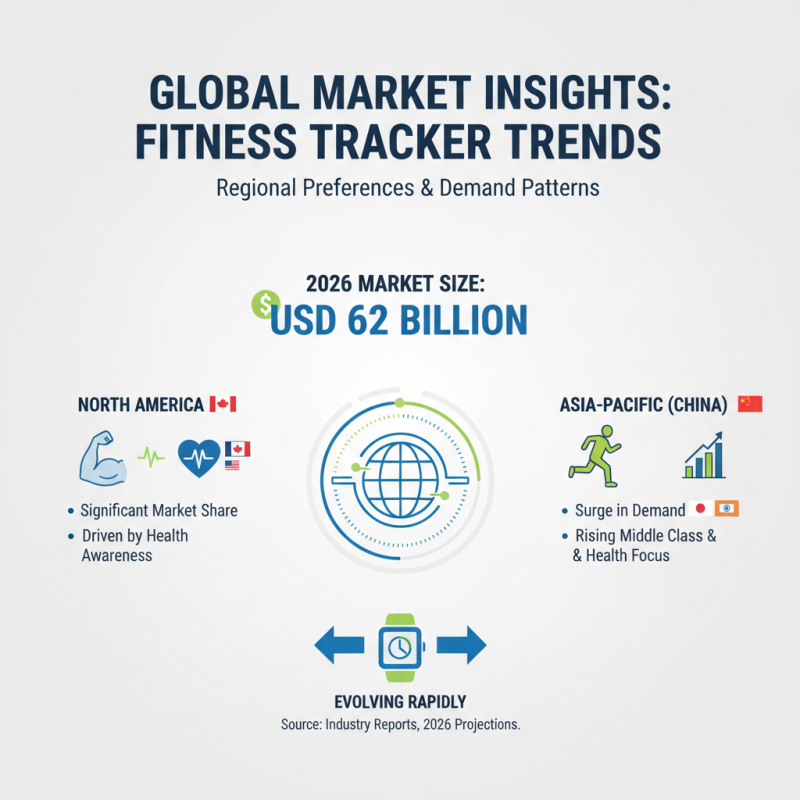
The global fitness tracker market is evolving rapidly. In 2026, smart fitness trackers are projected to reach a market size of USD 62 billion. North America holds a significant share, driven by increasing health consciousness. In contrast, the Asia-Pacific region, especially China, is witnessing a surge in demand. This is largely due to a rising middle class that prioritizes fitness and health.

China Smart Fitness Tracker sales are expected to grow at a compound annual growth rate (CAGR) of over 14% from 2023 to 2026. Consumers in urban areas show a strong preference for advanced features like heart rate monitoring and sleep tracking. Surprisingly, many users remain unaware of the full capabilities of these devices. This indicates a need for better education and awareness in the market.

Regional preferences reveal distinct trends. In Europe, the focus is on elegant designs and eco-friendly materials. In contrast, Asian markets favor affordability and functionality. Despite the popularity of smart fitness trackers, many find them cumbersome to use. This disconnect between design and usability presents a challenge for manufacturers moving forward. Addressing these concerns could enhance user satisfaction and broaden market reach.

Unleashing Potential: Exploring the Features and Benefits of the 3ATM Newest 1.96 Inch Fitness Tracker Smart Watch for Men

The 3ATM Newest 1.96 Inch Fitness Tracker Smart Watch for Men is designed to unlock your potential by seamlessly integrating fitness tracking with smart technology. This innovative device not only monitors your daily activity levels and records workouts with precision, but it also provides valuable health insights that help you understand your body better. The large, vibrant display offers clear visibility of your stats, making it easy to stay on top of your fitness goals.

Beyond its fitness capabilities, this smartwatch enhances your daily life by connecting effortlessly to your smartphone. Receive notifications and calls directly on your wrist, allowing you to stay connected even during workouts or busy moments. The watch also grants quick access to a variety of applications, from meditation timers to weather forecasts, enriching your fitness journey with holistic support. Whether you're training for a marathon or simply looking to maintain a healthier lifestyle, this smartwatch serves as an essential companion that combines functionality with modern technology.

FAQS

: What are the main features users look for in fitness trackers?

: Users prioritize advanced metrics, usability, and battery life. Reliable accuracy in data tracking is also crucial.

Why do some users feel frustrated with fitness trackers?

Many users express frustration over short battery life. Inconsistent accuracy in health data can also lead to confusion.

How do advanced health metrics impact user health?

About 65% of users report improved health after using advanced tracking features. Biometric sensors enhance health management.

What are the privacy concerns related to fitness trackers?

The integration of health monitoring raises questions about data privacy. Users wonder if convenience leads to reliance on technology.

What trends are observed in the global fitness tracker market?

The market is projected to reach USD 62 billion by 2026. North America and Asia-Pacific show significant demand growth.

How do regional preferences influence fitness tracker designs?

European consumers prefer elegant designs, while Asian markets prioritize affordability and functionality. Usability remains a challenge.

Are users aware of the full capabilities of their fitness trackers?

Surprisingly, many users are unaware of what their devices can do. This highlights the need for better education in the market.

What role does AI play in fitness trackers?

Some models suggest personalized workouts based on user data. However, users question the accuracy of these recommendations.

What is a potential downside of using advanced fitness trackers?

Users may sacrifice personal awareness for technology's convenience. This balance is crucial to consider for health management.

Conclusion

The article delves into the emerging trends and innovations in smart fitness trackers anticipated for 2026. As the fitness technology landscape evolves, these devices will integrate advanced health monitoring features that cater to diverse consumer preferences. Key features to look for include improved accuracy in tracking workouts and health metrics, as well as enhanced connectivity options that support user engagement.

The analysis also examines the dominance of leading brands in the smart fitness tracker market, highlighting how consumer behavior and preferences are shaping purchasing decisions in 2026. Furthermore, it offers insights into regional demand patterns, revealing how global buyers are leaning towards specific functionalities. As innovations continue to redefine fitness tracking capabilities, users can expect a more personalized and effective approach to maintaining their health and wellness through smart fitness trackers.


Jackson

Jackson

Jackson is a dedicated marketing professional at Jiangxi Xiaozhi Health Technology Co., Ltd., where he leverages his extensive knowledge and expertise in the health technology sector to drive the company’s growth and outreach. With a profound understanding of the company’s product line and an......
Previous Why Choose a Heart Rate Monitor Ring for Your Fitness Goals?