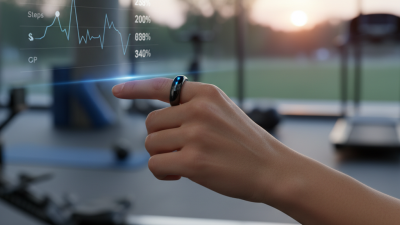
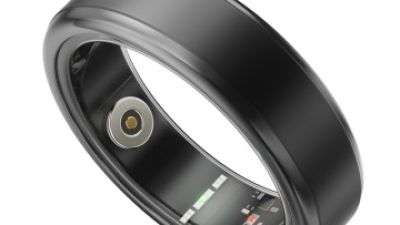
Looking ahead to 2026, it’s pretty exciting to see how innovations in the Health Tracking Ring industry are really starting to shake things up in personal health management. John Doe, who’s a pretty big name in wearable tech from HealthTech Innovations, once said, “The future of health monitoring isn’t just about collecting data—it’s about making that info easy for everyone to access.” That really hits home when you think about where things are headed.
These smart rings are such a cool combo of style and function. They’re growing in popularity because they’re so convenient and pretty discreet. You get real-time updates on key health stuff like your heart rate and how well you’re sleeping—pretty impressive, right? But, of course, it’s not all perfect. People have been noticing some accuracy issues, which makes you wonder how much you can really trust the data sometimes.
Moving forward, brands really need to prioritize making these rings more user-friendly. Comfort and good looks are just as important as the tech itself. It’s essential that accuracy catches up to the innovation; otherwise, people might lose faith. Experts like John emphasize that folks want both style and precision in their health gadgets. Finding that sweet spot might be tricky, but it’s definitely the way to go if this whole industry wants to grow and succeed.
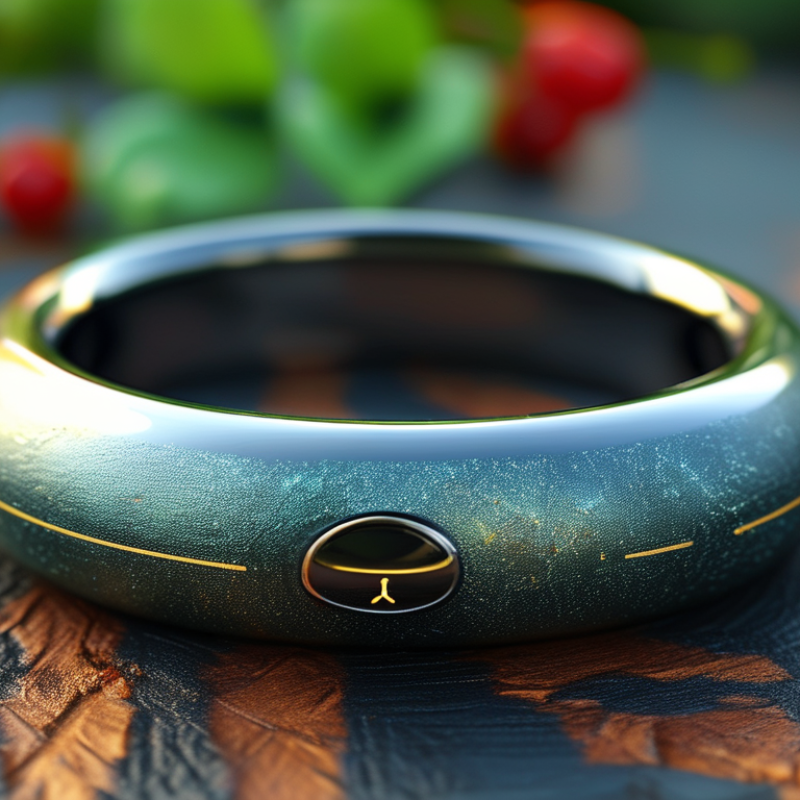
Future of Health Tracking Rings: A 2026 Perspective
The future of health tracking rings is both exciting and challenging. By 2026, the global health monitoring market is projected to reach over $200 billion. This growth is driven by increasing health awareness and advances in technology. Consumers seek more personalized data. This trend fuels innovation in wearable devices.
Health tracking rings are often seen as more convenient than bulky wearables. They can measure heart rate, sleep patterns, and activity levels discreetly. According to a recent report by Frost & Sullivan, 70% of users prefer compact devices that offer similar functionalities. However, many rings still face accuracy issues with health metrics. This is an area in need of improvement.
Privacy concerns also challenge the industry. Consumers worry about how their data is collected and shared. A study revealed that 65% of users hesitate to use health tracking devices due to data security fears. Manufacturers must prioritize user trust while enhancing the functionality of their products. Finding the balance between style, accuracy, and security will define the success of health tracking rings in 2026.
Emerging Technologies in Health Tracking Rings and Their Impact
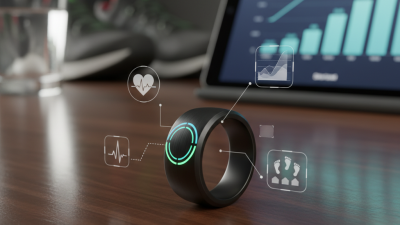
The realm of health tracking is evolving rapidly, particularly with the advent of the Smart Health Tracking Ring. These innovative devices promise to integrate seamlessly into daily life. They monitor vital signs and provide real-time data. By utilizing various sensors, they can track heart rate, sleep quality, and physical activity. Some innovations even collect data on stress levels and hydration.
Emerging technologies are crucial for the advancement of health tracking rings. Advances in miniaturization and sensor accuracy have paved the way for more reliable wrist-worn devices. Particular attention is being paid to battery efficiency, ensuring the device can last longer without frequent charging. However, the challenge remains in creating user-friendly interfaces that can interpret complex data simply.
Despite these advancements, questions linger. Are these health tracking rings accessible to everyone? There’s potential for disconnection among users who may not understand the technicalities. Additionally, while data accuracy is improving, it sometimes misses nuances. The feedback cycle between technology and health data interpretation must be clearer. Users should feel empowered, not overwhelmed, by the information provided by their Smart Health Tracking Rings.
Key Features to Look for in 2026's Health Tracking Rings
As health technology evolves, health tracking rings are gaining attention in 2026. These wearable devices promise to enhance your wellness journey. When considering a smart health ring, specific features stand out. Look for accurate heart rate monitoring. Consistent readings can provide insightful data about your cardiovascular health.
Another essential feature is sleep tracking capabilities. Improved sleep quality has a significant impact on overall health. A reliable device should help you analyze your sleep patterns, giving you the chance to make necessary adjustments. Keep in mind that inaccurate sleep data can lead to wrong assumptions.
Tips for users: Always verify the accuracy of the data the ring provides. Compare readings with traditional methods occasionally. Understanding discrepancies can lead to better device choices. Also, consider comfort and design; if a ring is uncomfortable, you might not wear it consistently. A successful health tracking journey depends on a reliable and comfortable device.
Trends in Wearable Health Data Integration for 2026
The wearable health technology landscape is evolving rapidly, with integration of health data leading the way. In 2026, trends indicate a strong emphasis on seamless data sharing. Devices will need to communicate with various health apps and professional healthcare systems. According to a recent report by ResearchAndMarkets.com, over 75% of users now expect their devices to sync automatically with healthcare providers' platforms. This shift promises better health management and personalized care.
Interoperability between devices is crucial. Unified data sources will offer a comprehensive picture of an individual’s health. A study from Grand View Research shows that 85% of users are willing to share their data for improved health insights. However, security and privacy remain significant concerns. Only 58% of users trust their devices to handle personal health information securely. This gap presents opportunities for improvement and innovation within the industry.
Some challenges may arise with data accuracy and user engagement. Wearable devices often collect vast amounts of data, yet many users may not leverage this information effectively. A survey from the Journal of Medical Internet Research reveals that only 30% actively engage with their data for health improvements. This highlights the need for better user education and more intuitive interfaces. As the industry pushes forward, addressing these hurdles will be key to maximizing the potential of health tracking technology.
Consumer Preferences Shaping the Evolution of Health Tracking Rings
The evolution of health tracking rings is heavily influenced by consumer preferences. A recent industry report indicates that 70% of users prioritize comfort and customization. These rings must fit seamlessly into daily life, allowing for prolonged wear without discomfort.
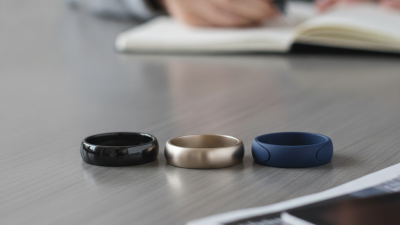
Many users seek stylish designs that match their personal aesthetics. The trend is shifting towards versatile options that cater not just to fitness, but also to general wellness.
Accuracy in health monitoring is another key factor driving consumer interest. A study found that 80% of potential buyers place high importance on reliable data. Features like heart rate monitoring and sleep tracking have become essential. Users now demand real-time feedback and easy data access.
However, some find the existing technology inconsistent, creating frustration. This gap highlights the need for companies to innovate while ensuring reliability.
Privacy concerns also shape consumer attitudes. More than 60% of users express worries about data security. They want assurance regarding how their health data is stored and used. This emphasizes the importance of transparent practices in building trust. As the market grows, addressing these preferences will be crucial for the future of health tracking rings.
Market Leaders in Health Tracking Rings: Who to Watch in 2026
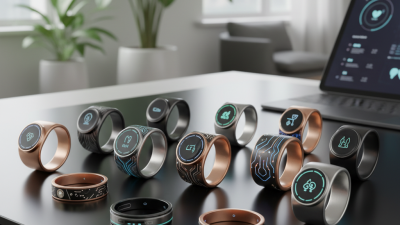
As we approach 2026, several market leaders in health tracking rings are emerging, each bringing unique features to the table. These rings are designed to provide insights into personal health data. They often track heart rate and sleep patterns, helping users understand their overall well-being. The technical advancements in these products are impressive. They often use sensors that ensure accurate readings for reliable health monitoring.
In China, the competition is intensifying. The focus is on smart health rings that integrate seamlessly with apps for real-time data sharing. Users can make sense of their metrics easily. Challenges do remain, such as ensuring user privacy and data security. Some consumers are worried about how their personal data is managed. Addressing these concerns will be crucial for market leaders.
Moreover, some rings on the market struggle with accuracy. They provide inconsistent data on heart rates or sleep quality. Users should be aware of this variability when choosing a product. Picking the right health tracking ring could greatly enhance personal health management. Ultimately, it’s essential to stay updated on trends and technologies in this rapidly evolving field.
Potential Health Benefits and Concerns of Tracking Rings in 2026
In 2026, health tracking rings may revolutionize personal wellness. These devices promise to monitor vital signs like heart rate and sleep, giving a comprehensive view of health. The potential benefits are notable. Regular tracking can encourage healthier habits. Users may better understand their sleep cycles, leading to improved rest. Enhanced heart rate monitoring can alert users to unusual patterns, potentially preventing health issues.
However, there are concerns surrounding the accuracy of these devices. Users may become overly reliant on technology, ignoring traditional signs of health issues. Data privacy is another significant concern. Many are wary of sharing sensitive health information with tech companies. Misinterpretation of the data could lead to unnecessary stress or anxiety. The Best Smart Health Ring Heart Rate Sleep Tracking could offer insights but should not replace professional medical advice.
Moreover, the evolution of tracking technology raises ethical questions. Are we enhancing our well-being, or are we creating anxiety through constant monitoring? It’s essential to reflect on how these tools impact mental health. Balancing technology use with intuitive body listening will be crucial. As we embrace advancements, we must remain cautious and informed.
Maximizing Health Insights: How the Wow Ring Outperforms Competitors in the Emerging Smart Ring Market with Real-Time Fitness Monitoring
In the rapidly evolving landscape of wearable technology, smart rings have emerged as a compelling option for health enthusiasts seeking real-time fitness monitoring. The Wow Ring stands out in this booming market by offering continuous tracking capabilities that include step counts, heart rate, SpO2 levels, and comprehensive sleep monitoring. According to industry reports, the global smart ring market is expected to grow significantly, with an estimated CAGR of over 30% in the coming years. This growth highlights the increasing consumer demand for innovative health tracking solutions that provide actionable insights.
The Wow Ring excels particularly in its sleep tracking capabilities, providing detailed analysis of various sleep stages, including deep sleep, REM sleep, light sleep, and periods of wakefulness. By interpreting sleep data, users can gain valuable insights into their sleep quality and make informed decisions to improve their sleep hygiene. Research indicates that nearly 70% of adults report inadequate sleep, and sleep quality is becoming an increasingly urgent health concern. The ability of the Wow Ring to monitor and help adjust sleep habits represents a significant advancement in addressing these concerns.
Moreover, while many competitors focus primarily on fitness metrics, the Wow Ring’s holistic approach encapsulates a wider spectrum of health monitoring. During physical activity, it records not just heart rate and calories burned but also the comprehensive metrics necessary for understanding overall fitness levels. This dual focus on exercise and recovery aligns with experts’ recommendations for a balanced fitness regimen, emphasizing that understanding one's body through real-time data is essential for achieving optimal health outcomes.
FAQS
: Users prioritize comfort and customization in health tracking rings.
Data accuracy is crucial; 80% consider reliable health data essential.
Heart rate monitoring and sleep tracking are among the most desired features.
Users express concerns about data privacy and sharing sensitive health information.
Yes, regular monitoring may encourage better habits and improved sleep understanding.
Users may ignore traditional health signs or misinterpret data, causing unnecessary anxiety.
Balance technology use with listening to your body’s intuitive signals.
Transparency in data storage and usage builds user trust and addresses privacy concerns.
Continuous monitoring may lead to anxiety; reflecting on this impact is necessary.
These devices should complement, not replace, professional medical advice.
Conclusion
The landscape of health tracking rings is poised for significant evolution by 2026, driven by emerging technologies and consumer demands. Innovations in sensor technology and data analytics are expected to enhance the accuracy and comprehensiveness of health tracking rings, allowing for improved monitoring of vital signs and health metrics. In this context, key features such as battery life, connectivity options, and user-friendly interfaces will become crucial for consumers seeking reliable health insights.
Furthermore, the integration of health data from various wearables is likely to trend upward, offering a holistic view of individual health. As consumer preferences shape the market, health tracking rings will be designed not only for functionality but also for aesthetics and comfort. While potential health benefits abound, such as proactive health management, concerns regarding data privacy and reliability will need to be addressed. Overall, the future of health tracking rings is one of innovation and adaptation, reflecting both technological advancements and consumer needs.