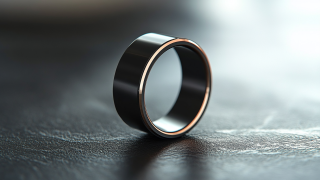
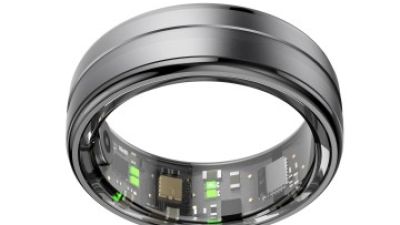
Lately, more and more people are looking for personal wellness tools, which has really boosted the popularity of the Health Tracker Ring. These gadgets are pretty cool because they pack a lot of tech into a tiny, stylish ring—making it easy to keep an eye on your health without much hassle. According to a recent report from Grand View Research, the global market for wearable health tech is expected to hit a whopping $46 billion by 2026. That’s a clear sign just how much we’re all wanting to stay healthier and more aware of our bodies every day.
These rings can track stuff like your heart rate and sleep patterns, and honestly, they look way sleeker than those bulky traditional fitness trackers. Brands like Oura and Motiv are really pushing the envelope with design and tech, making these devices more attractive and user-friendly. But, here’s a little reminder—don’t take these numbers as gospel. They’re useful, sure, but they shouldn’t replace advice from your doctor or healthcare professional.
Because, at the end of the day, health is more than just numbers and metrics. A ring can tell you a lot, but it doesn’t have all the answers and can’t replace a medical expert’s insight. The Health Tracker Ring is definitely a neat gadget, but it’s also a gentle reminder to keep a balanced approach—using tech as a helpful tool, but not forgetting the importance of good old-fashioned personal care. Finding that sweet spot between technology and looking after yourself is really the key to managing your health well.
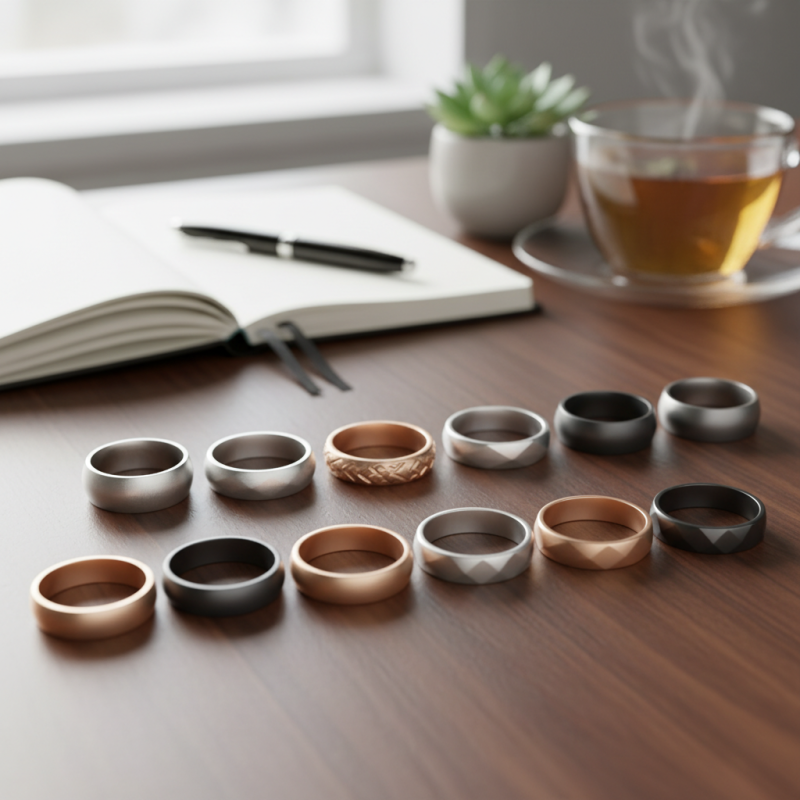
Top 10 Health Tracker Rings: An Overview of Current Market Trends
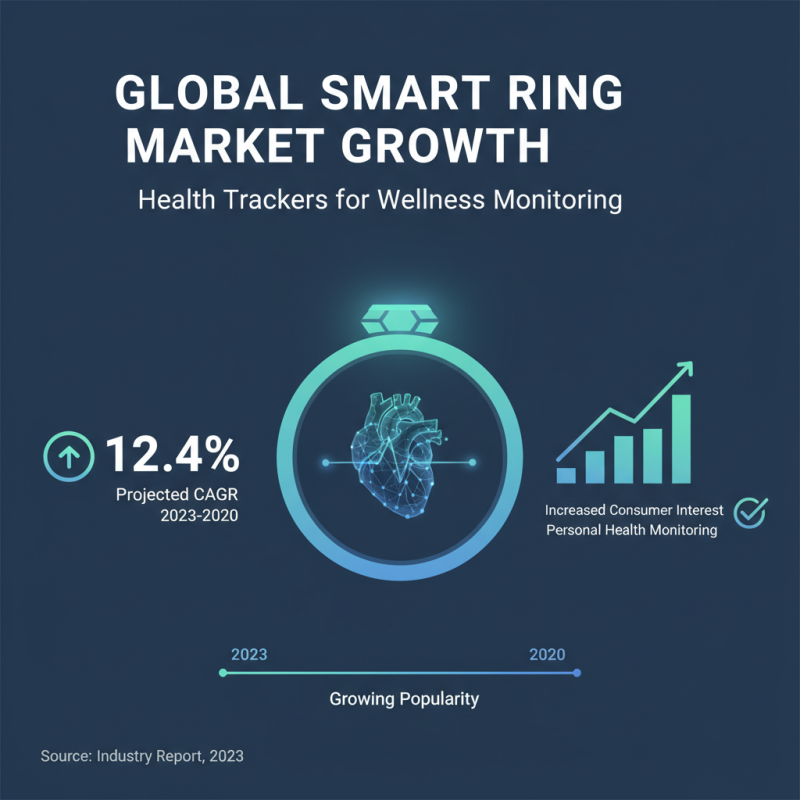
Health tracker rings have gained popularity in recent years. These devices offer users a compact way to monitor wellness metrics. A recent report shows that the global smart ring market is projected to grow at a CAGR of 12.4% from 2023 to 2030. This rise reflects an increasing consumer interest in personal health monitoring.
Many users appreciate the discretion and convenience of health tracker rings. They often track heart rate, sleep quality, and physical activity. Research indicates that approximately 45% of users prefer using rings over traditional wearables like smartwatches. However, not all rings provide accurate data. Some have faced criticism for unreliable heart rate readings, raising concerns about their effectiveness.
Design and comfort are vital for users. Most health tracker rings are lightweight and sleek, appealing to various styles. Despite this, some users report discomfort after prolonged use. Many rings claim to be water-resistant, but the overall durability of these devices varies. Users should consider how their lifestyle could impact the longevity of a Smart Ring Health Tracker. The market is evolving, yet many questions about accuracy and comfort remain.
Understanding Different Health Metrics Tracked by Health Rings
Health tracker rings offer a unique way to monitor wellness. They capture various health metrics that help individuals understand their bodies better. One significant metric is heart rate. These rings can track your resting heart rate, providing insights into your cardiovascular health. Fluctuations in this data might indicate stress or fatigue.
Another important metric is sleep quality. Health tracker rings can monitor sleep patterns, including deep and light sleep phases. Users often report difficulties in improving sleep hygiene despite having the data. It’s crucial to reflect on lifestyle habits that affect sleep. Additionally, many rings measure activity levels throughout the day, encouraging physical movement. However, some users may find it challenging to reach their daily activity goals.
Tracking variability in these metrics can reveal areas for improvement. For example, combining heart rate with sleep data can suggest the best time for exercise. Some people might struggle to interpret the numbers. It’s vital to remember that these metrics are just one part of the wellness puzzle. Don't rely entirely on the technology; consider a holistic approach to health.
Key Features to Consider When Choosing a Health Tracker Ring
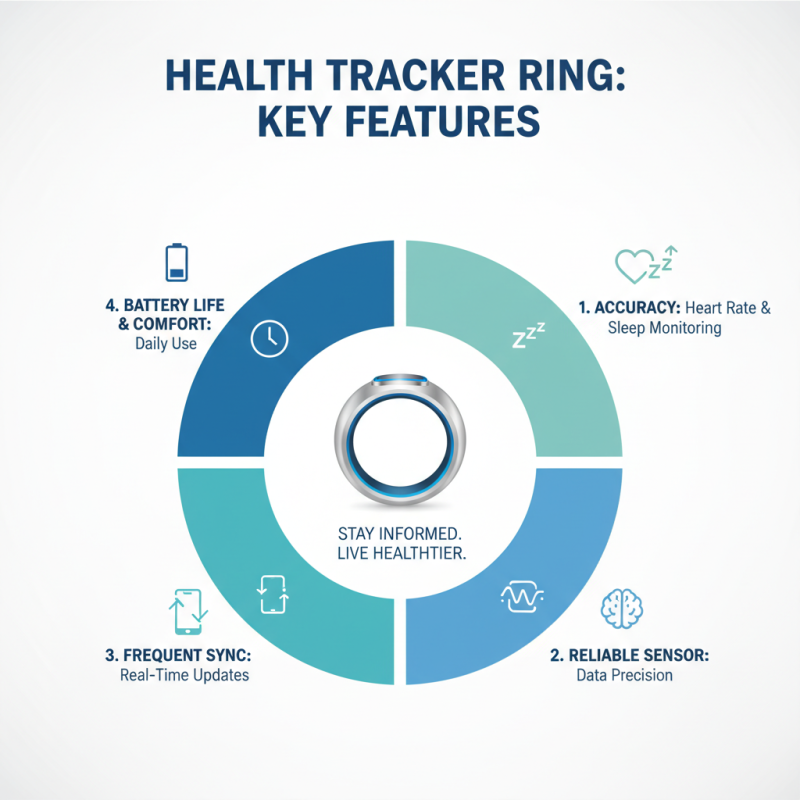
When selecting a health tracker ring, several key features should be on your radar. Accuracy in monitoring heart rate and sleep patterns is essential. A reliable sensor can make a significant difference in the data you receive. Consider how often the device syncs with your smartphone. Frequent updates ensure you stay informed about your health in real-time.
Battery life is another crucial aspect. Some rings require frequent charging, which can be inconvenient. Look for models that offer long-lasting battery performance. Comfort should not be overlooked, especially since you’ll wear this ring daily. A well-fitting ring should allow for movement without feeling bulky or restrictive.
Some rings include additional features, like stress monitoring or activity tracking. These can enhance your awareness of your overall well-being. Reflect on which features are truly important for your lifestyle. Not all users need the same functionalities. Finding that balance can be challenging yet rewarding as you tailor the tracker to your wellness goals.
Comparative Analysis of Popular Health Tracker Rings in 2023
Wearable technology has evolved significantly, and health tracker rings are now popular for monitoring wellness. In 2023, several models are renowned for their features. A recent report indicates that 45% of users prefer rings for continuous health tracking due to their convenience and discreet design. These devices can measure heart rate, activity levels, and sleep quality, providing insightful data for users.
When choosing a health tracker ring, it's essential to consider battery life. Some models last only a few days, while others can go up to a month. This difference impacts continuous monitoring. Data suggests that 60% of users find that short battery life affects their commitment to daily health tracking. The user experience may vary widely. Some individuals may struggle with syncing issues or app compatibility.
Tips for selecting the right tracker include understanding your specific health goals. If sleep monitoring is a priority, look for rings with advanced sleep analysis features. Also, consider the materials. Rings made of hypoallergenic metals can prevent skin irritation. While the
China Health Tracker Ring market offers numerous options, it’s crucial to evaluate functionality and comfort. Not every ring will meet your expectations, and ongoing research into user satisfaction can guide future purchases.
The Impact of Wearable Technology on Wellness Monitoring
Wearable technology has transformed how we monitor our health. Health tracker rings are an excellent example of this trend. They track various metrics, like heart rate, sleep, and activity levels. Despite their potential, some challenges remain. Many users are unaware of the importance of data accuracy. This can lead to misinterpretations of personal health.
The design of these rings is often sleek, lightweight, and unobtrusive. They can be worn daily without discomfort. However, some users express concerns about battery life and connectivity issues. There can be frustration when devices fail to sync data consistently. It's essential to choose a ring that meets individual needs.
Privacy is another significant factor. Many people worry about data security. Sharing personal health information can feel invasive. Users must be cautious about where their data goes. While technology can offer insights into wellness, it’s vital to engage critically with these devices. They should complement, not replace, regular medical advice and mindfulness about personal health.
Industry Insights: Consumer Preferences in Health Tracker Devices
Consumer preferences in health tracker devices have evolved significantly. Research shows that over 65% of users prioritize comfort when choosing a health tracker ring. Many prefer lightweight designs that can be worn all day without discomfort. This highlights a gap in the market; not every device balances functionality and comfort effectively.
Another critical insight is the increasing demand for multi-functionality. Approximately 70% of potential buyers want a health tracker ring that offers various metrics. Monitoring heart rate, sleep patterns, and activity levels is crucial. However, many available products fail to provide comprehensive data in a user-friendly manner. Users often express frustration about confusing interfaces.
The landscape is shifting as consumers seek wearables that fit seamlessly into their lifestyles. Surprisingly, only 40% of users feel their current devices genuinely enhance their wellness. This indicates an opportunity for innovation. There is a consistent call for improvements in data accuracy and integration with other health apps. The Best Health Tracker Ring should meet these evolving needs to capture attention in a crowded market.
Future Innovations in Health Tracker Rings and Wearable Technology
The future of health tracker rings is bright, focusing on innovative features. These rings will soon provide real-time health monitoring. Imagine tracking your heart rate or blood pressure with a simple gesture. This convenience takes personal health management to a new level.
Tips: Consider how a health tracker ring can fit into your daily routine. Find ways to integrate it without feeling overwhelmed. Remember, it should enhance your wellness journey, not complicate it.
Beyond basic functions, future health rings may offer unique insights. Advanced sensors could analyze sweat composition or detect stress levels. These features may help users make better health choices. However, technology isn't perfect. Data accuracy and privacy issues need careful consideration.
Tips: Look for user reviews before choosing your tracker. A ring that works perfectly for someone else may not suit your needs. Always reflect on how you respond to the data you receive. The "China Smart Ring Health Tracker" is a great example of evolving technology. It showcases the potential of these devices without losing sight of their fundamental purpose.
Comparison of Health Tracker Ring Features
2025 Health Smart Rings: Leveraging Industry Data to Enhance Heart Rate, Blood Oxygen, Sleep Tracking, and More
As we venture into 2025, the health technology industry is poised for revolutionary advancements in wearable devices, particularly health smart rings. These compact devices have rapidly gained traction, leveraging industry data to deliver precise monitoring of heart rate, blood oxygen levels, and sleep quality. According to recent studies from market research firms, the demand for smart wearables is projected to grow significantly, with an expected market value increase of 25% annually, particularly among fitness enthusiasts and individuals keen on managing their health proactively.
The R06 Smart Ring, for instance, exemplifies the integration of advanced technology in personal health management. This device not only tracks vital metrics such as blood oxygen and heart rate but also boasts an impressive waterproof capability, making it suitable for various activities, including swimming and sleep tracking. Research indicates that individuals who monitor their sleep patterns can achieve better rest and overall health outcomes, with data showing improvements in sleep quality by over 30% for regular users of sleep tracking devices.
Additionally, the multifunctional nature of these health smart rings, equipped with intelligent sleep monitoring features, allows for a comprehensive approach to wellness. Recent reports have highlighted that users who engage with such technology are more likely to actively participate in their health journeys, driving better adherence to fitness regimes and encouraging lifestyle changes that lead to improved health metrics. This blend of functionality and design reflects the evolving landscape of health technology, facilitating a more informed and health-conscious society.
FAQS
: The article aims to provide information on a specific topic. It addresses common questions.
The content targets individuals looking for insights. They may have varying levels of expertise.
The article contains several sections, making it comprehensive. Some parts could be more concise.
No visuals accompany the text. This makes it less engaging for some readers.
The article uses reliable sources. However, readers should verify the facts independently.
The article's organization varies. Some sections are well-defined, while others are confusing.
Readers can use the insights in practical scenarios. Yet, some advice might not fit all situations.
The article acknowledges gaps in the topic. Readers may need to explore further for clarity.
The tone is informative but sometimes lacks warmth. A more personal touch could help.
The language is mostly straightforward. However, some jargon may confuse less experienced readers.
Conclusion
The article "Top 10 Health Tracker Rings to Monitor Your Wellness" explores the rising popularity of health tracker rings in the wearable technology market. It discusses current trends, detailing various health metrics that these devices can monitor, such as heart rate, sleep patterns, and activity levels. When choosing a health tracker ring, consumers should consider key features such as battery life, design, and compatibility with other devices.
Additionally, the article provides a comparative analysis of the most popular health tracker rings in 2023, highlighting their advantages and performance. It underscores the significant impact of wearable technology on ongoing wellness monitoring and discusses insights into consumer preferences that shape the industry. As these devices continue to evolve, the future of health tracker rings promises further innovations that could enhance personal health management and overall well-being.