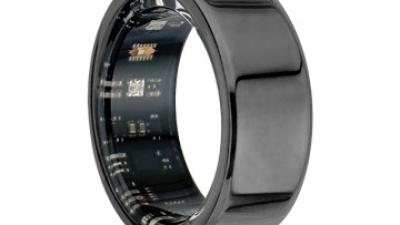
Lately, the wearables market has really taken off — it's been growing like crazy, especially with all these new, advanced health tracking gadgets coming out. If you look at a report from Grand View Research, you'll see that in 2021, the global market was sitting around $116.2 billion, and it’s expected to keep growing at about 15% each year from 2022 through 2030. Among all these new devices, Health Smart Rings have started to stand out big time. They’re a pretty cool mix of high-tech features and sleek, stylish design — giving folks an easy, everyday way to keep tabs on their wellness and fitness.
These rings, made by big names like Oura, Motiv, and Circular, are super handy because they’re small, discreet, and can track things like your heart rate, sleep, and activity levels without feeling bulky. I recently read a report from IDC that showed more and more people who care about their health are jumping on board with wearables. Actually, about 60% of users say that health monitoring features are their main reason for buying them. As demand for accurate, user-friendly health tools keeps growing, it looks like these smart rings are about to change the game when it comes to personal fitness. They give real-time insights, helping people make smarter choices about their lifestyle.
In this article, I’ll be taking a look at the top 10 Health Smart Rings that are really shaking things up in wellness and fitness tracking. They’re not just packed with cool features but also feature stylish designs — all helping to make managing your health easier and more engaging than ever.
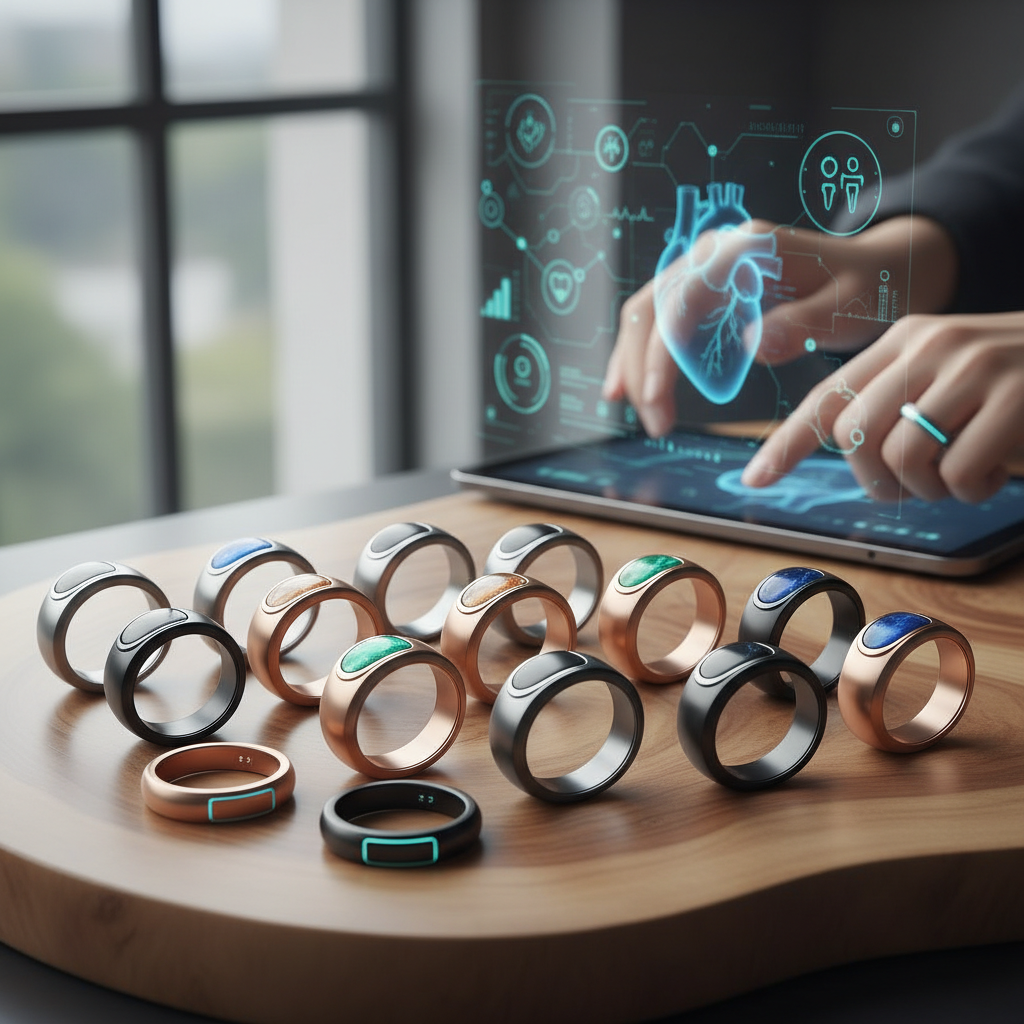
The Rise of Health Smart Rings: A Market Overview and Trends for 2025
The health smart ring market is rapidly evolving, with innovative designs and advanced technologies paving the way for a new era in wellness and fitness tracking. As we approach 2025, these sleek and unobtrusive wearables are gaining popularity among health-conscious consumers. Market trends indicate a growing demand for smart rings that offer comprehensive health monitoring features including heart rate, sleep patterns, and activity levels, all while maintaining a stylish appearance.
The emergence of user-friendly applications and seamless connectivity to smartphones has further enhanced the appeal of health smart rings. Companies are increasingly integrating features such as personalized health insights and real-time notifications, allowing users to take charge of their fitness journeys with ease. Moreover, as more individuals prioritize holistic well-being, the focus on preventive health measures and data-driven decision-making is expected to drive further innovation in this sector. The alignment of technology and personal health is setting the stage for smart rings to become an essential accessory for those seeking to optimize their wellness.
Key Features Driving the Adoption of Smart Rings in Wellness and Fitness
The smart ring market is on a significant upward trajectory, with projections indicating a rise from $416.9 million in 2025 to an impressive $2525.5 million by 2032, reflecting a compound annual growth rate (CAGR) of 29.3%. This rapid expansion highlights the growing consumer interest in health and fitness tracking technologies that are not only compact but also convenient. At CES 2025, numerous brands exhibited innovative smart ring features aimed at enhancing user experience in wellness monitoring. Notable themes included the integration of AI for personalized health insights and advanced biometric sensors for more accurate data collection.
Key features driving the adoption of smart rings in wellness and fitness include their ability to provide real-time health metrics, such as heart rate, sleep quality, and activity tracking, in a discreet form factor. Consumers are increasingly seeking wearables that offer comprehensive health tracking without the bulk of traditional devices. The focus on luxury and health-oriented designs at major technology expos indicates a shift towards blending functionality with aesthetics, appealing to a broader audience. As the technology behind smart rings continues to evolve, they are set to become indispensable tools for individuals focused on optimizing their health and fitness journeys.
2025 Top 10 Health Smart Rings Transforming Wellness and Fitness Tracking
| Feature |
Description |
Benefit |
| Heart Rate Monitoring |
Continuous heart rate tracking throughout the day and during workouts. |
Helps users optimize their workouts and monitor their cardiovascular health. |
| Sleep Tracking |
Monitors sleep patterns, duration, and quality. |
Improves understanding of sleep habits and quality for better recovery. |
| Activity Tracking |
Tracks daily steps, distance, and active minutes. |
Encourages users to stay active and reach fitness goals. |
| Stress Monitoring |
Uses biometric data to assess stress levels. |
Promotes mindfulness and helps manage stress effectively. |
| Temperature Sensing |
Monitors body temperature for health insights. |
Early detection of potential health issues. |
| Water Resistance |
Durable design that withstands exposure to water. |
Suitable for use during swimming or in wet conditions. |
| Wireless Connectivity |
Syncs with smartphones and other devices via Bluetooth. |
Access to a broader range of health data and app integration. |
| Battery Life |
Long-lasting battery for extended usage. |
Convenient for continuous tracking without frequent charging. |
| Customization Options |
Variety of designs, sizes, and functionalities. |
Appeals to personal style and preferences of users. |
| Notifications |
Vibrates for call, text, and app notifications. |
Keep users connected without needing to check their phones. |
Top 5 Health Smart Rings for Enhanced Performance Tracking in 2025
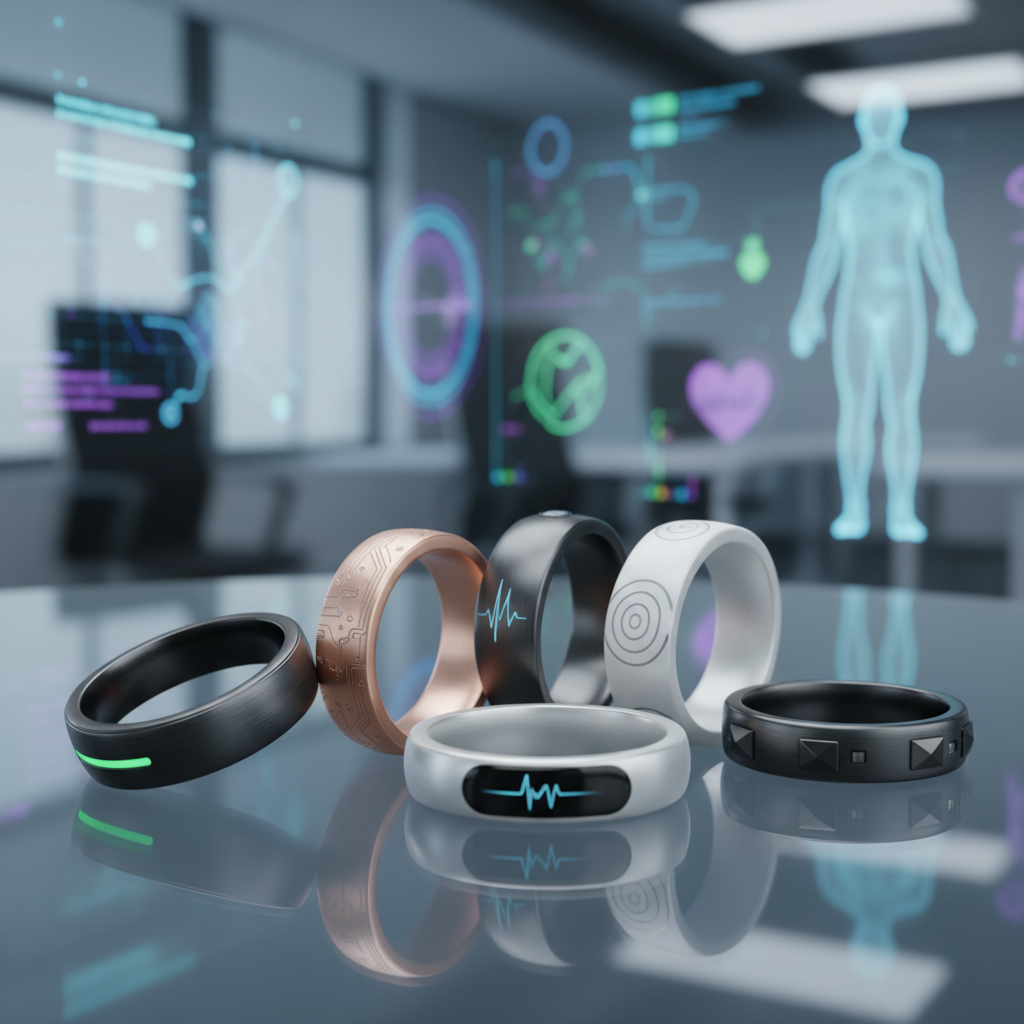
In 2025, the health tech landscape is witnessing a remarkable evolution, particularly with the rise of smart rings that offer sophisticated performance tracking capabilities. A recent industry report indicates that the global smart wearable market is projected to reach $100 billion by 2025, with health-focused devices like smart rings leading the charge. These sleek, fashionable accessories are designed not only to monitor basic health metrics but also to deliver insights that enhance overall wellness. The top five health smart rings this year are transforming fitness tracking by incorporating advanced sensors, sleep monitoring technology, and personalized performance analytics.
Among these top contenders, devices such as the Oura Ring and the Motiv Ring stand out for their exceptional accuracy and user-friendly interfaces. The Oura Ring boasts features like temperature tracking and heart rate variability analysis, making it invaluable for optimizing recovery and performance. According to a study published in the Journal of Sports Sciences, utilizing such technology can enhance athletic performance by as much as 15% through better recovery management. The increasing integration of machine learning algorithms in these rings also enables users to receive tailored recommendations, further fostering a culture of proactive health management. This combination of style, functionality, and innovative technology positions these smart rings as essential tools for anyone serious about their health and fitness journey in 2025.
Market Projections: Growth and Innovation in Smart Ring Technology
The smart ring market is rapidly transforming the wellness and fitness tracking landscape, with projected growth to reach USD 50 billion by 2029. This surge is primarily attributed to innovations in technology, including the integration of Bluetooth and NFC capabilities that cater to both Android and iOS users. As companies continue to invest in advanced computing functionalities, the demand for wearables, specifically smart rings, is set to escalate, reflecting a shifting consumer preference towards compact and efficient health tracking solutions.
Industry analysis indicates that a diverse array of end-users, ranging from corporate employees to fitness enthusiasts, are fueling this growth. The versatility and user-friendly design of smart rings make them an appealing choice for those seeking to monitor their health metrics discreetly. Furthermore, insights into emerging trends for 2026 highlight that personalized fitness tracking and health monitoring will become increasingly mainstream, with a proliferation of startups entering the market to meet these evolving consumer needs. This ongoing innovation cycle serves not only to enhance user experience but also to redefine the future of wearables.
User Demographics: Who is Embracing Health Smart Rings in 2025?
In 2025, the user demographics for health smart rings reveal a diverse group embracing this innovative technology. Fitness enthusiasts and health-conscious consumers are at the forefront, utilizing smart rings for their advanced tracking capabilities. These devices not only monitor physical activity but also offer insights into vital health metrics such as heart rate, sleep quality, and stress levels. This multifaceted approach appeals particularly to millennials and Generation Z, who are increasingly prioritizing health and wellness in their lifestyles.
Additionally, the growing appeal of smart rings among older adults cannot be overlooked. As this demographic seeks easier ways to monitor health conditions, the convenience and unobtrusiveness of smart rings make them a popular choice. With the market projected to expand significantly, it is clear that a wide range of users, from tech-savvy younger generations to health-focused seniors, are recognizing the value of these devices in personal wellness and fitness tracking. The rising adoption highlights a broader trend toward integrating technology with everyday health management.
Comparative Analysis: Smart Rings vs. Traditional Fitness Trackers in 2025
As we look towards 2025, the landscape of health and fitness tracking has evolved dramatically.
Smart rings are emerging as a significant contender against traditional fitness trackers. These sleek, compact devices offer an array of features,
such as heart rate monitoring, sleep tracking, and activity recognition, all while being less obtrusive than their wrist-based counterparts.
The ability to wear a smart ring continuously without the bulk often associated with wristbands has attracted many users seeking convenience and comfort in their wellness journeys.
In a comparative analysis, smart rings demonstrate several advantages over traditional fitness trackers. They often utilize advanced technology to provide more accurate data,
benefiting from their proximity to the blood flow in the finger. This positioning allows for better heart rate measurements and other biometric readings.
Additionally, smart rings are generally more stylish and less obtrusive, appealing to a broader audience that values aesthetics along with functionality.
While traditional fitness trackers may offer additional features like larger screens or GPS, the compact form factor and discreet design of smart rings position them as a transformative tool in the future of fitness and health monitoring.
Comprehensive Guide to Smart Rings: Unlocking Dynamic Heart Rate and Sleep Insights
Smart rings are emerging as a significant player in the wearable technology market, providing users with valuable health insights. This comprehensive guide explores the capabilities of smart rings, particularly focusing on heart rate and sleep monitoring features. Recent studies indicate that approximately 30% of adults suffer from sleep disturbances, making effective monitoring essential for health management. Smart rings, like the new R02 model, offer dynamic heart rate measurement, blood oxygen saturation, and comprehensive sleep tracking, catering to health-conscious individuals seeking a deeper understanding of their physiological well-being.
The intelligent design of smart rings enables them to collect valuable data without compromising comfort or aesthetics. With an IP67 waterproof rating, the R02 smart ring is ideal for daily wear, even during exercise or while sleeping. Equipped with advanced sensors like the HX3918 heart rate sensor and SC7A20H for activity tracking, this innovative device records heart rate variability and monitors stress levels, providing users with a holistic view of their health. Studies have shown that tracking these metrics can be instrumental in managing stress and improving overall wellness, emphasizing the importance of having real-time data at one's fingertips.
Furthermore, the integration of advanced technology, such as Bluetooth 5.0 and efficient battery capacity, enhances the smart ring experience. With a standby time of approximately 3-5 days and a sleek design that incorporates magnetic suction charging, these rings stand out in the wearable tech field. The dedicated app, Da Rings, allows users to access and analyze their health data seamlessly, illustrating the pivotal role smart rings play in empowering individuals to take charge of their health journey.
FAQS
: The smart ring market is projected to grow to USD 50 billion by 2029.
Innovations such as the integration of Bluetooth and NFC capabilities are contributing to the growth of smart rings.
The primary users of smart rings in 2025 include fitness enthusiasts, health-conscious consumers, millennials, Generation Z, and older adults.
Smart rings can monitor health metrics such as heart rate, sleep quality, and stress levels.
Smart rings are less obtrusive, offer more accurate data due to their close proximity to blood flow, and are generally considered more stylish than traditional fitness trackers.
Older adults are interested in smart rings for their convenience and unobtrusiveness, making it easier to monitor health conditions.
A significant trend expected by 2026 is the rise of personalized fitness tracking and health monitoring.
Companies are investing in advanced computing functionalities to enhance the user experience and meet evolving consumer needs in the smart ring market.
Smart rings provide the benefit of monitoring health metrics discreetly and more comfortably than traditional wrist-based fitness trackers.
The user-friendly design of smart rings makes them appealing to a diverse group of users seeking effective health tracking solutions without the bulk of traditional devices.
Conclusion
The article "2025 Top 10 Health Smart Rings Transforming Wellness and Fitness Tracking" explores the growing trend of Health Smart Rings, highlighting their significant impact on wellness and fitness tracking. As consumer interest surges, these innovative devices are characterized by their compact design and robust health-monitoring features, which make them increasingly popular among health-conscious individuals. Key aspects driving their adoption include real-time biometric data collection, user-friendly interfaces, and enhanced performance tracking capabilities.
Market projections indicate remarkable growth and innovation in smart ring technology by 2025, with diverse user demographics embracing these devices for their convenience and functionality. A comparative analysis reveals that Health Smart Rings are gaining an edge over traditional fitness trackers, delivering insights through seamless integration with smartphones and other digital health platforms. Companies like Jiangxi Xiaozhi Health Technology Co., Ltd. are at the forefront of this evolution, contributing to the advancement of consumer health technology in this burgeoning market.