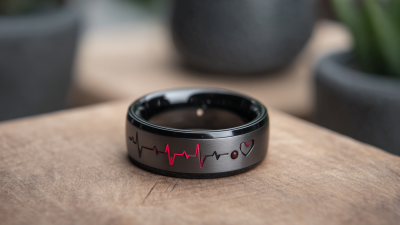
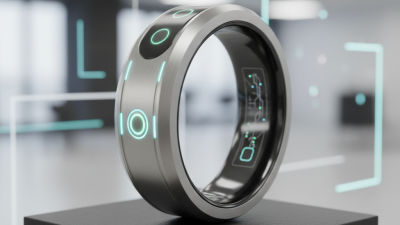
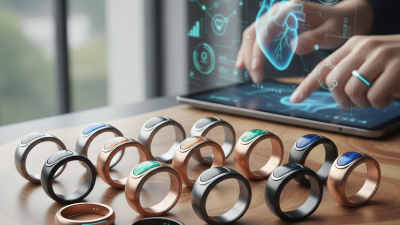
In today’s super busy world, keeping up with wellness can sometimes feel pretty overwhelming. That’s where the Health Tracker Ring comes in — it’s a pretty cool little device that makes it so much easier to keep an eye on your health. Just wear it every day, and you’ll get quick insights into things like your heart rate and sleep patterns without breaking a sweat.
Can you imagine just glancing at your ring and seeing how you’re doing? With the Health Tracker Ring, it’s totally possible to stay on top of your fitness goals and keep yourself motivated. But, here’s the thing — you can’t just rely on the device alone. To really get the most out of it, you’ve gotta actively engage with your habits and lifestyle. Reflection is key.
A lot of folks tend to overlook this part. They think they’ll see results just by wearing the ring and checking the numbers now and then. But if you really want to see change, it’s about paying attention to what the data is telling you and making mindful choices. It’s all about embracing those insights, but remember — it’s a journey that needs commitment and a bit of self-awareness. No magic shortcuts here, just consistent effort and honest reflection.
Understanding Health Tracker Rings and Their Functionality
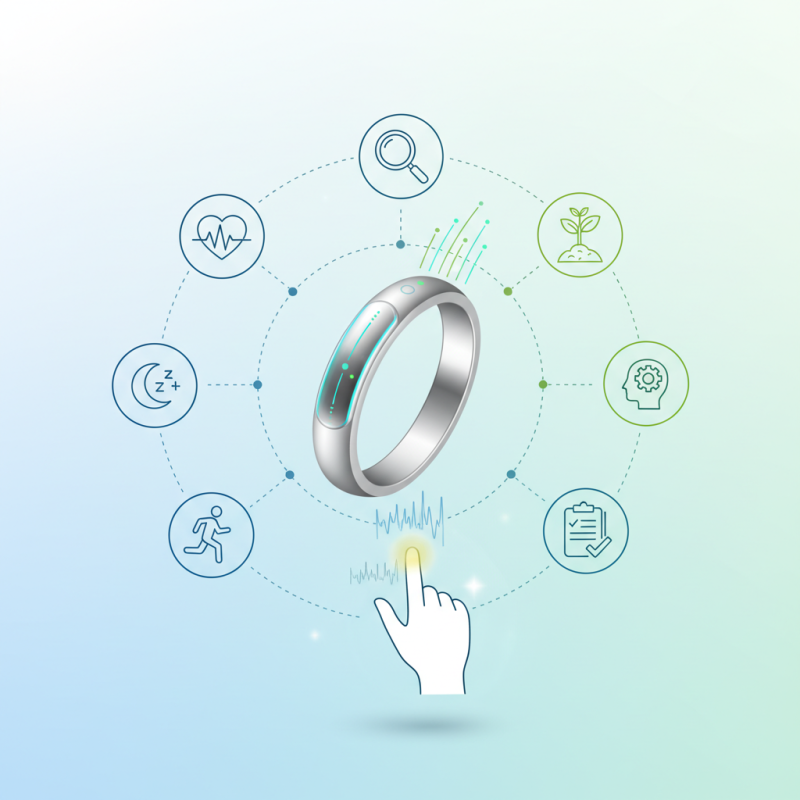
Health tracker rings are compact devices designed to monitor various aspects of wellness. These rings often track metrics like heart rate, sleep patterns, and activity levels. With their sleek design, they fit seamlessly into everyday life. Many people find wearing these rings convenient, as they require minimal effort to use. Simply slip them on and go about your day.
These devices function by using sensors to collect data throughout the day. For instance, they may help identify trends in sleep quality or daily activity. Some users appreciate the notifications feature, which reminds them to stay active. However, it's essential to recognize that not everyone finds these rings perfectly accurate. Discrepancies can occur due to factors like body type or wear conditions.
While these rings provide valuable insights, over-reliance on their readings can lead to anxiety. It’s important for users to reflect on their own health without solely depending on technology. Balancing data-driven insights with personal intuition creates a more comprehensive wellness approach. Listening to your body remains key, even in a tech-driven world.
Key Features to Look for in a Health Tracker Ring
When selecting a health tracker ring, key features should align with your wellness goals. Look for accurate heart rate monitoring. The ability to track sleep patterns is also essential. A good ring should comfortably fit your finger without causing irritation during daily wear.
Battery life plays a vital role as well. Opt for a ring that lasts several days on a single charge. Real-time data syncing enhances usability. It allows you to view stats instantly on your smartphone. However, ensure you understand the data. Numbers mean little if you can't interpret them correctly.
Consider the ring's design too. Aesthetics matter, but functionality is paramount. Some rings may look sleek but lack crucial features. Reflect on what aspects you need most. Is it heart health, activity tracking, or something else? You might realize your priorities change over time. Hence, reassessing your needs will help you optimize your wellness journey.
How to Set Up Your Health Tracker Ring for Optimal Use
Setting up your health tracker ring is crucial for maximizing its benefits. Begin by charging the device. Ensure it has a full battery before wearing it. This small step can significantly enhance its tracking capabilities. Next, download the accompanying app. This is where all your data will be displayed. Installing it is straightforward, but you may encounter some connectivity issues. Make sure your Bluetooth is enabled to sync your ring with your phone.
Once everything is connected, input your health goals. Be realistic about your targets. You might aim to track your sleep better or improve your activity levels. Your ring will gather data while you go about your day. However, sometimes the data might not be accurate. This can occur if the ring is not snug on your finger. Adjusting the fit can help ensure more precise readings. Also, be prepared to reflect on your habits. Not every day will meet your goals, and that’s okay. The key is to learn and adapt over time.
Health Tracker Ring Data Overview
This chart illustrates the weekly activity levels tracked by a health tracker ring, focusing on steps taken, sleep hours, and heart rate monitoring. These metrics help users optimize their wellness and track their progress over time.
Best Practices for Wearing and Caring for Your Health Tracker Ring
Wearing a health tracker ring can be beneficial for monitoring wellness. To maximize its effectiveness, proper care is essential. Clean the ring regularly to prevent dirt buildup. Use a soft cloth for frequent cleaning. Avoid exposure to harsh chemicals. They can damage the ring’s sensors and finish.
When wearing the ring, choose a snug fit. It should stay in place but not cause discomfort. A loose ring may give inaccurate readings. Pay attention to how it feels during workouts or daily activities. Many neglect this, leading to ineffective tracking results.
Charging your ring also matters. Overcharging can shorten the battery life. Follow manufacturer guidelines for charging times. Monitor the battery status frequently; a dead ring provides no data. Reflect on any inconsistencies in tracking data. This can help improve how you use the ring. Such considerations can enhance your overall wellness journey.
Interpreting Health Data Collected by Your Tracker Ring
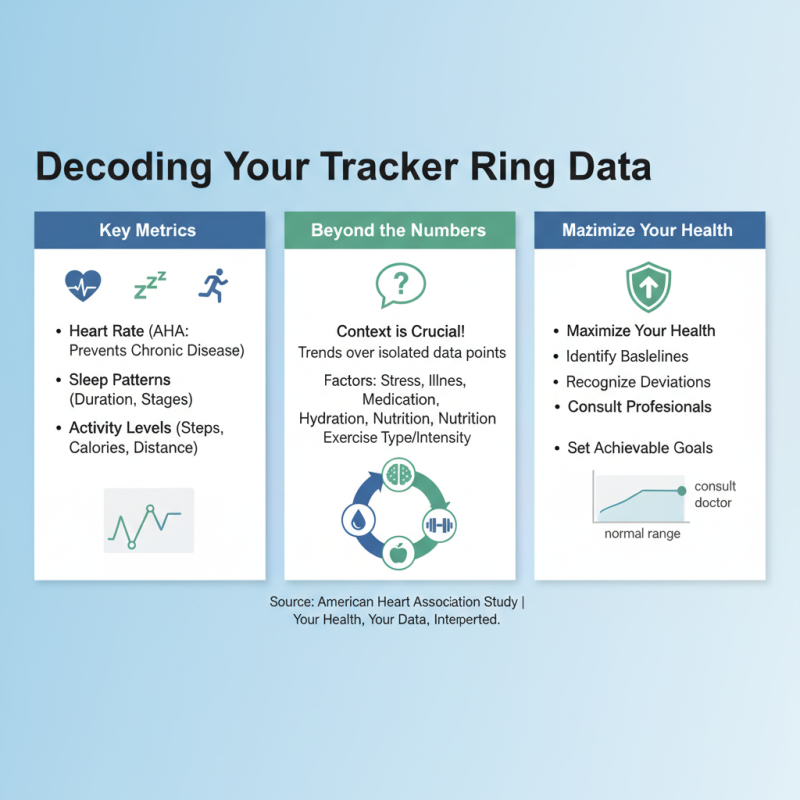
Interpreting health data from a tracker ring can be straightforward yet complex. Many users focus on metrics such as heart rate, sleep patterns, and activity levels. According to a study by the American Heart Association, tracking heart rates can help prevent chronic diseases. However, most users overlook the context behind these numbers.
Take sleep data, for example. A tracker may show you sleep duration. Yet, quality matters too. The National Sleep Foundation states that deep sleep phases are crucial for recovery. If your tracker suggests you're getting enough sleep but you feel fatigued, it’s time to reassess your routine. Analyzing data can reveal where you’re falling short, whether it be sleep quality or overall activity level.
Moreover, wellness isn’t just about metrics. It’s about understanding how to apply this data. For instance, tracking daily steps may indicate increased activity. Yet, consistently sitting for hours can counteract those benefits. The U.S. Department of Health recommends regular movement throughout the day. Reflecting on data can promote better habits. Be cautious about relying solely on numbers; personal insights are vital for true wellness.
Integrating Health Tracker Ring Data with Other Wellness Apps
The increasing popularity of health tracker rings offers exciting possibilities for personal wellness. By gathering data on sleep, activity levels, and heart rate, these devices enhance our understanding of individual health. However, the real power lies in integrating this data with other wellness apps. Many users find it overwhelming to analyze their health trends alone. Collaborating with apps that focus on nutrition or mental well-being can provide a clearer picture.
Research indicates that nearly 70% of users report a greater understanding of their health after integrating devices with wellness apps. This combined approach can help in setting more realistic health goals. For instance, syncing sleep data with meditation apps may reveal patterns that contribute to better rest. Yet, one must be cautious. Not every aspect of wellness is quantified.
Emotional well-being is harder to measure, and relying solely on numbers can lead to frustration.
Connecting your health tracker ring to fitness and dietary apps is beneficial, but awareness of limitations is crucial. Data gathered is only as good as its interpretation. Misunderstandings can occur. Sometimes, users expect instant results from their wellness journey. But, wellness is a continuous process. A holistic view that includes professional guidance can enhance the utility of these technologies.
Common Challenges and Solutions When Using Health Tracker Rings
Using health tracker rings can enhance your wellness journey. However, there are common challenges users face. One issue is inaccurate data. Sometimes, your heart rate or sleep patterns may not be recorded properly. This can lead to confusion and frustration. Regularly calibrating the device can help minimize errors.
Battery life is another concern. Many rings require frequent charging. This might disrupt your tracking routine. Users often forget to put the ring back on after charging. Setting reminders can be beneficial. It’s important to find a balance between usage and upkeep.
Lastly, data interpretation can be tricky. Understanding what the numbers mean is crucial for effective monitoring. Some people struggle to connect data to lifestyle changes. Keeping a wellness journal can provide insights into patterns. Reflecting on your habits will make the tracking more meaningful.
Health Tracker Ring Tips for Monitoring Your Wellness
| Challenge |
Solution |
Tips |
| Inconsistent data accuracy |
Regularly calibrate the device and update firmware. |
Ensure the ring fits properly on your finger. |
| Battery life issues |
Charge the ring overnight before heavy usage. |
Limit continuous usage of features like GPS. |
| Data overload |
Set specific health goals to streamline data. |
Regularly review only the essential metrics. |
| Connectivity problems |
Ensure the ring is within range of the paired device. |
Reboot both the ring and the connected device if issues persist. |
| Skin irritation |
Take breaks from wearing the ring and clean it regularly. |
Choose a size that allows for slight movement on the finger. |
FAQS
: The article aims to inform readers about various topics. It provides insights and practical information for daily use.
The article targets a general audience. Anyone looking for knowledge may find it beneficial.
The information is generally reliable. However, it’s important to cross-check facts for accuracy.
Some terms may be complex. Readers should not hesitate to look up unfamiliar words for better understanding.
Referring back depends on personal needs. Regular reviews can reinforce learning and aid retention.
Sharing is often encouraged. However, be mindful of the context and how it’s presented to maintain integrity.
Visuals may be included to support text. They can enhance understanding but are not always necessary.
Disagreement is natural. Reflecting on alternative views can deepen understanding and stimulate critical thinking.
The article reflects knowledge until a certain point. Always check for the latest information on trending topics.
Practical application varies by topic. Consider your situation and whether the information fits your needs.
Conclusion
Health Tracker Rings have emerged as an innovative tool for monitoring personal wellness, offering users insights into their health metrics. Understanding their functionality is crucial, as these rings typically track vital data such as heart rate, sleep patterns, and activity levels. When choosing a Health Tracker Ring, key features like battery life, water resistance, and ease of use should be prioritized. Proper setup and consistent wear are essential for optimal performance, while best practices in care can extend the device's lifespan.
Users should also be adept at interpreting the health data collected, as this information can provide significant insights into trends and patterns in their wellness. Integrating this data with other wellness apps can enhance the user experience, combining various metrics for a comprehensive health overview. However, it's important to recognize and address common challenges associated with Health Tracker Rings to ensure that users can maximize their benefits and maintain motivation on their wellness journeys.