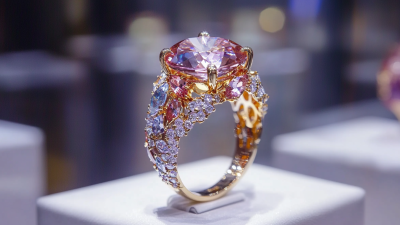
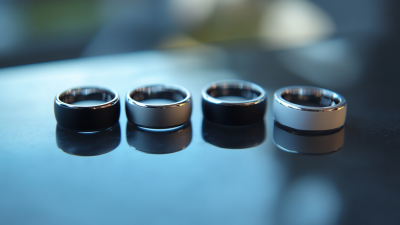
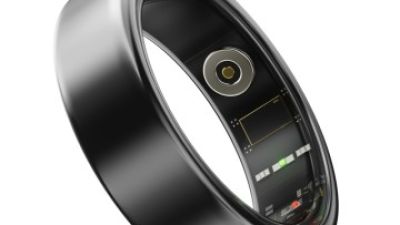
A Heart Waterproof Ring might look pretty delicate, but it can handle sweat, rain, swimming, and daily handwashing pretty well. That said, just because something’s labeled 'waterproof' doesn’t mean it’s foolproof. Things like the sealing quality, type of metal, how the stones are set, and the testing process all play a big role in how well it actually performs. In this guide, I’m sharing seven practical tips to help you make a smarter, safer choice—focusing on details you can actually check out, not just shiny claims on the page.
Usually, trained jewelers will inspect the ring’s build before it hits the spotlight. Keep an eye out for materials that resist corrosion, tight settings around the heart shape, smooth inner edges to prevent irritation, and clear water-resistance ratings. Don’t hesitate to ask if the testing covers things like pressure, temperature swings, and repeated exposure. A transparent warranty is super helpful, especially if the product page glosses over its limits. Plus, reading customer reviews can give you the real scoop—things like foggy stones, loose settings, or skin irritation after wearing it for a few weeks—they might not be perfect, but they reveal a lot. Just remember, reviews aren’t lab reports—they’re useful clues.
And don’t forget about the fit. A ring that twists around can risk damaging delicate settings, while one that’s too tight can trap moisture against your skin, which isn’t ideal. Make sure to rinse it off after swimming in saltwater or chlorine, dry it thoroughly beneath the heart detail, and see if it moves around easily. Honestly, no ring is totally maintenance-free—that’s just part of the deal. We should also think about whether a lower price really means good design and proper testing or if it’s cutting corners somewhere. Keep in mind, some advice might not match your lifestyle, hand shape, or budget. Think of these tips as a starting point—do your homework, compare specs, check out seller support, and consider how you plan to wear it before making a final decision.
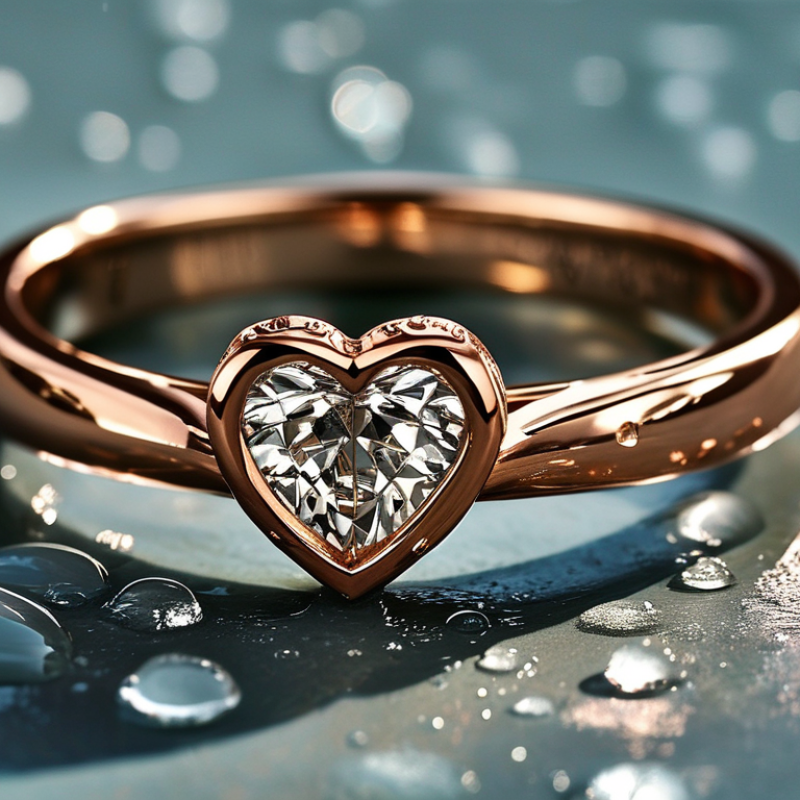
Define the Meaning and Style of a Heart-Shaped Waterproof Ring
A heart-shaped waterproof ring carries a clear message: affection, loyalty, or self-love. Its meaning changes with the wearer. A slim silver-toned band feels quiet and daily. A raised heart feels more romantic. Choose the shape that matches your story, not only current fashion. Small details matter. A polished heart catches light, while a soft matte finish looks calmer and more modern.
Check the ring’s construction before choosing its style. Look for corrosion-resistant materials and a smooth inner surface. Waterproof does not always mean suitable for every condition. Salt water, chlorine, soap, and sweat may still reduce shine over time.
A reliable seller should explain the water-resistance level clearly. Vague claims deserve caution. I once preferred a highly decorative ring, but its sharp edges caught on knitwear. Comfort changed my decision.
Consider seven practical details: heart size, band width, metal finish, inner comfort, stated water protection, skin sensitivity, and maintenance needs.
A narrow band suits smaller hands and stacks easily. A larger heart becomes a visible personal symbol. If your skin reacts easily, choose a verified skin-friendly material and stop wearing it when irritation appears. Rinse the ring after swimming and dry it with a soft cloth. It is easy to overestimate durability. Even a well-made ring needs care.
Check the Ring’s Waterproof Rating and Material Quality
7 Tips for Choosing the Best Heart Waterproof Ring?
A heart ring should survive real routines, not only studio photographs. Check its waterproof rating before admiring the design. IEC 60529 classifies IP67 as protection against temporary immersion up to one metre for 30 minutes. IP68 requires manufacturer-defined conditions, so the number alone is incomplete. Read the testing conditions carefully. A ring marked “waterproof” without an IP code deserves caution.
Material quality matters just as much. Look for titanium, ceramic, or verified 316L stainless steel, especially if your hands stay wet during work. The European REACH framework limits nickel release from prolonged skin-contact items to 0.5 micrograms per square centimetre weekly. This detail is more useful than vague phrases like “skin-friendly.” Check whether the heart surface is solid metal or only plated. Plating can wear at the edges first, exposing a different base metal. Tiny scratches tell the story.
For a China Heart Waterproof Ring, ask for independent test records, material composition, and coating thickness. Do not trust a seller’s water photograph alone. Saltwater, soap, and sweat can challenge seals and finishes differently. Rinse the ring after swimming and dry the inner curve with a soft cloth. My practical concern is simple: even a strong rating cannot repair poor construction. Some listings also confuse splash resistance with immersion protection. That mistake is easy to make.
Choose a Durable Metal for Daily Wear
Choosing the Best Heart Waterproof Ring starts with its metal. For daily wear, stainless steel offers a practical balance of strength, shine, and water resistance. Titanium is lighter and usually kinder to sensitive skin. Tungsten feels substantial, but it can crack under a sharp impact. No metal is perfect.
Tip 1: Check the metal grade. Look for clear material details, not vague phrases like “premium alloy.” A well-made stainless steel ring should feel smooth around the edges. I once wore a rough-edged ring during a long commute. It irritated my finger within hours. Small details matter.
Tip 2: Consider your daily routine. If you swim, wash dishes, or work outdoors, choose a solid metal rather than a thin plated finish. Plating may fade from soap, sweat, and friction. Even a waterproof design needs care. Rinse the ring after saltwater exposure and dry it with a soft cloth.
Tip 3: Inspect comfort and construction. The heart shape should not catch on clothing, and the inner surface should sit evenly against your skin. Check the size at different times of day, because fingers can swell in warm weather. I sometimes choose a slightly wider fit, although that is not always ideal. Personal comfort should guide the final choice. The Best Heart Waterproof Ring should support real habits, not just look attractive in a product photo.
Select the Right Ring Size and Comfortable Shape
Choosing the right size matters more than a dramatic heart shape.
ISO 8653:2016 defines ring size by inner circumference in millimeters, not appearance. Measure your finger at the end of the day, when warmth causes natural expansion. Take three readings. Use the average. A ring should pass over the knuckle with slight resistance, then sit without pulsing pressure. Fingers change with weather, exercise, and salt intake. I still misjudge this after years of fitting jewelry, especially with wide bands.
Comfort depends on the inner profile.
A rounded “comfort fit” edge usually reduces skin friction better than a sharp interior. Keep the heart setting low if you type, lift weights, or wear gloves. For a waterproof design, check the metal, finish, seals, and care instructions, not only the word “waterproof.” A responsible
Heart Waterproof Ring Manufacturer
should provide measured sizing data and material specifications. The 2024 Grand View Research jewelry report estimates the global jewelry market at
USD 353.26 billion in 2023,
showing a large market where quality claims still require scrutiny. Statista Market Insights also projects continued jewelry market growth through 2025, increasing the need for clear product measurements. Reports can guide choices, but they cannot replace a real fitting.
Leave about one millimeter of movement. Too loose is risky. Too tight becomes distracting.
Compare Heart Designs, Gemstones, and Protective Details
Choosing a heart waterproof ring requires more than admiring its romantic shape. Compare open-heart outlines, raised hearts, and hidden heart details under different lighting. Open designs feel light, but their edges may catch on clothing. Raised designs look bold, yet they can receive more daily impact. A smooth, rounded profile often feels safer during work, travel, and sleep.
Gemstones also deserve careful comparison. Clear stones create a bright, classic effect, while colored gems give the heart a more personal mood. Check the setting closely. Bezel settings protect edges better than exposed prongs, especially around water and frequent movement. However, a protected stone may show less brilliance. I once preferred maximum sparkle, but that choice felt impractical after repeated knocks.
A reliable
Heart Waterproof Ring Factory
should explain its metal composition, water-resistance testing, and protective finish clearly. Look for corrosion-resistant materials and secure stone placement. “Waterproof” should not be treated as permanent immunity. Salt, chlorine, soap, and heat can still weaken finishes or cloud gemstones. Rinse the ring with fresh water, dry its narrow crevices, and inspect the heart edges regularly. Small scratches matter. They reveal wear before damage becomes obvious. Ask for test details, though documents alone cannot replace honest product inspection.
Evaluate Maintenance Needs and Long-Term Durability
A heart waterproof ring should survive daily moisture, not merely look attractive in a product photograph. Check its material carefully. Titanium and high-grade stainless steel usually resist rust better than plated alloys. However, “waterproof” does not mean maintenance-free. Look for a clear water-resistance rating and read its limits before swimming, showering, or wearing it near saltwater.
Tip 1: Inspect the finish and inner surface. Smooth edges collect less soap and skin oil. A recessed heart detail may need gentle cleaning with warm water and a soft brush. Avoid bleach, abrasive powders, and strong solvents. Rinse the ring after seawater or chlorinated water, then dry it with a lint-free cloth. Small habits matter.
Tip 2: Test long-term comfort, not just appearance. Wear the ring for several hours and check for trapped moisture, discoloration, or loose decorative parts. If the ring contains seals, inspect them every few months for cracks. Seals can weaken from heat, stretching, and chemical exposure. I would not trust an old seal simply because the ring still looks polished.
Tip 3: Ask about repair support and material verification. Reliable sellers should provide care instructions, metal details, and realistic resistance claims. Be cautious when a listing promises unlimited waterproof protection. That wording sounds convenient, but it is rarely precise. A ring may remain attractive for years with proper care, yet scratches and coating wear are still normal. My own mistake was ignoring early dullness; cleaning sooner would have prevented heavier buildup.
Confirm Seller Reliability, Certification, and Value for Money
7 Tips for Choosing the Best Heart Waterproof Ring
Tip 1: Check the seller’s identity, contact details, and customer service response. A reliable seller answers material and care questions clearly. Tip 2: Read recent reviews with customer photos. Look for comments about tarnishing, loose stones, and delivery accuracy. Tip 3: Study the waterproof claim carefully. “Water-resistant” does not always mean safe for swimming or daily chemical exposure. Check the stated rating and care instructions.
Tip 4: Request certification for precious metals or gemstones when applicable. A professional report should identify purity, stone type, and treatment details. Tip 5: Compare the ring’s value, not only its price. Review metal weight, stone size, workmanship, warranty, and return terms. A cheap ring may become expensive after repeated repairs. Tip 6: Inspect product photographs closely. The heart edges should look smooth, while the setting should hold stones firmly. Small details matter.
Tip 7: Test the seller’s honesty before purchasing. Ask whether the ring can handle rain, handwashing, or frequent wear. I once trusted a polished description and ignored unclear warranty wording. That was my mistake. Keep screenshots of promises and specifications. Also, remember that no waterproof claim lasts forever. Soap, chlorine, sweat, and scratches can weaken protective finishes. I still value appearance too much sometimes, so durability deserves a separate check.
When choosing a heart-shaped waterproof ring, verify the IP code, seller policies, certification details, material information, warranty, and total cost. Under IEC 60529, IPX4 indicates protection from water splashes, IPX7 indicates temporary immersion up to 1 metre for 30 minutes, and IPX8 indicates immersion beyond 1 metre under conditions specified by the manufacturer. An IP rating does not automatically mean the ring is suitable for swimming or seawater.
China Supplier Factory WOW Ring: Smart Fitness Tracking for Steps, Heart Rate, and Sleep
Smart fitness rings are becoming a practical tool for everyday health awareness. The World Health Organization’s *2020 Guidelines on Physical Activity and Sedentary Behaviour* recommend that adults complete 150–300 minutes of moderate-intensity activity each week, making step tracking a convenient way to monitor daily movement. Designed by trusted suppliers in China and manufactured in a modern factory, this lightweight ring continuously records steps, calories burned, and heart rate without requiring a subscription. Its compact, elegant form is approximately 11 times lighter than a conventional smartwatch, allowing users to track activity comfortably during work, exercise, and travel.
Sleep monitoring is another important feature of personal wellness technology. The American Academy of Sleep Medicine recommends that adults regularly obtain at least seven hours of sleep per night, while the National Sleep Foundation emphasizes the value of consistent sleep patterns. By tracking sleep duration and patterns alongside heart-rate data, the ring helps users identify trends that may support healthier routines. A 30-minute fast charge provides up to seven days of battery life, reducing interruptions during continuous monitoring. Through its dedicated mobile application, users can review fitness and sleep data in one place, turning everyday measurements into clearer insights for planning activity, recovery, and long-term wellness.
FAQS
: It can express affection, loyalty, or self-love. The meaning depends on the wearer.
Choose a slim band for quiet daily wear. A raised heart looks more romantic and noticeable. Your story matters more than fashion.
Consider titanium, ceramic, or verified 316L stainless steel. These materials may resist corrosion better than poorly plated metals. Material details matter.
No. Salt water, chlorine, soap, and sweat can reduce shine. Rinse the ring after swimming. Dry its inner curve with a soft cloth.
Look for a clear IP code and stated testing conditions. IP67 generally describes temporary immersion up to one metre for 30 minutes. IP68 depends on manufacturer-defined conditions. The number alone is incomplete.
Check for smooth inner surfaces and rounded edges. Sharp heart edges may catch on knitwear. A decorative design can become uncomfortable quickly.
Choose verified skin-friendly materials and review nickel-release information. Stop wearing the ring if redness, itching, or irritation appears. Comfort should not be guessed.
A narrow band suits smaller hands and stacks easily. A larger heart creates a stronger personal symbol. Try not to overvalue appearance.
Rinse away soap, salt, and sweat after exposure. Dry it gently with a soft cloth. Inspect scratches and worn edges regularly. Durability is never unlimited.
Conclusion
Choosing the best Heart Waterproof Ring starts with understanding both its symbolism and personal style. A heart-shaped design can express love, friendship, or self-care, while a waterproof rating and high-quality materials help the ring withstand moisture and everyday activities. Select a durable metal that suits your lifestyle, and make sure the size and shape provide a secure, comfortable fit without restricting movement. Consider whether you prefer a simple heart outline, decorative gemstones, or protective details that improve both appearance and strength.
Long-term satisfaction also depends on practical care. Compare cleaning requirements, resistance to scratches and tarnishing, and the ring’s ability to maintain its finish over time. Before purchasing, review the seller’s reputation, product information, available certification, return policy, and overall value. A reliable choice should balance attractive design, comfortable wear, dependable construction, and reasonable cost, allowing the ring to remain a meaningful accessory through daily use.