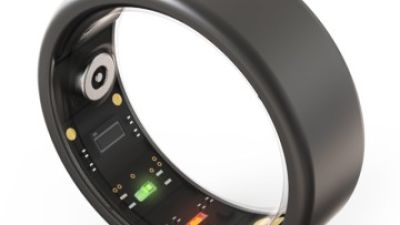
A Smart Ring that tracks your sleep, movement, and some body signals is pretty handy — you wear a tiny device all day long. Its small size is definitely a plus. But, honestly, picking one isn’t just about comparing feature lists; there’s a bit more to consider.
Market-wise, Grand View Research put the global smart ring market at around USD 314 million in 2023, and they’re expecting a solid 18.8% annual growth from 2024 to 2030. That’s a clear sign people are getting more interested, but it doesn’t mean these rings are always accurate or worth it for everyone. Just because the market’s growing doesn’t mean the devices are medically reliable.
When choosing the right ring, make sure it feels comfy enough to wear all night long, connects smoothly with your phone, and explains what it’s telling you in a straightforward way. Don’t forget to look into battery life, sensor features, app prices, how your data is handled, and whether it plays nice with your existing apps. Tiny details really matter — a ring that pinches or feels uncomfortable while you sleep can easily get shoved in a drawer.
This guide covers 10 practical tips for comparing your options, like how to evaluate sizing kits and interpret health results without getting carried away. Remember, think of the readings as helpful clues for your trends, not a medical diagnosis. A Smart Ring Health device can boost your daily awareness, but it’s no substitute for professional medical advice. One thing to watch out for: some marketing language makes these sensors sound way more capable than they really are. So, always verify the claims and think about what you actually need those devices for.
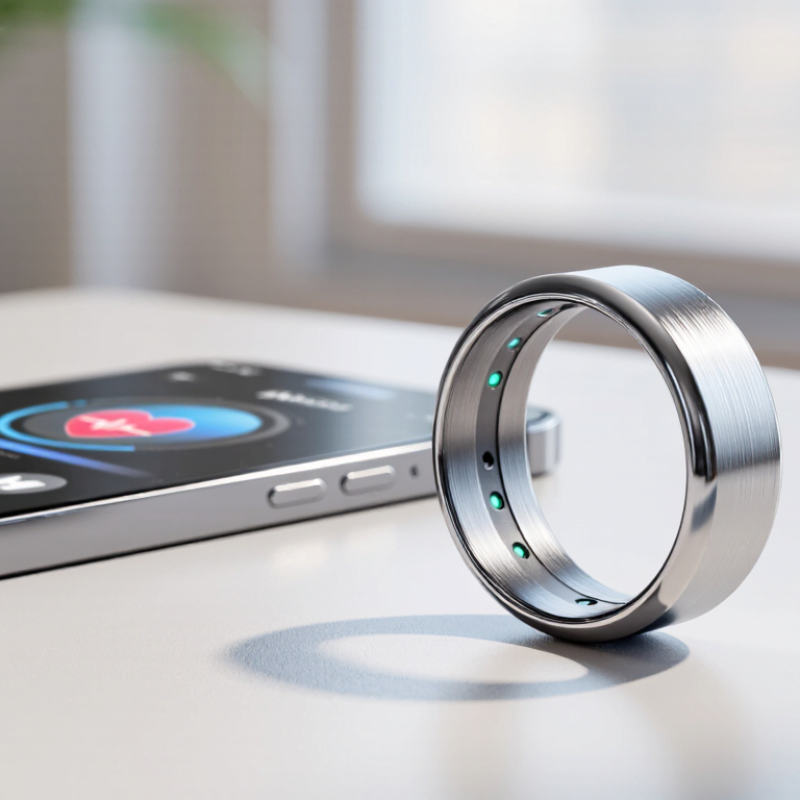
Before comparing a Smart Health Ring, decide what you want to learn. Better sleep patterns? Recovery after evening workouts? A steadier picture of daily activity? Choose one or two priorities, not every metric on the screen. If sleep is your focus, overnight comfort and clear trend reports may matter more than workout features. Tiny details matter.
Write down how you will use the data. You might check resting heart-rate trends each week or note whether late coffee changes your sleep timing. Ring sensors estimate bodily signals; they do not diagnose illness. Treat readings as clues, not verdicts, and seek clinical advice for health concerns. A device that makes you anxious may not suit your goals.
Fit and routine deserve equal weight. Fingers can swell with heat, exercise, or salty meals, so check sizing guidance and test comfort at different times of day when possible. Think about battery life, app fees, water resistance, and whether you will actually wear it overnight. Be honest: if charging habits are already messy, another gadget may add friction. Your priorities may change after a week of tracking; early assumptions can be wrong.
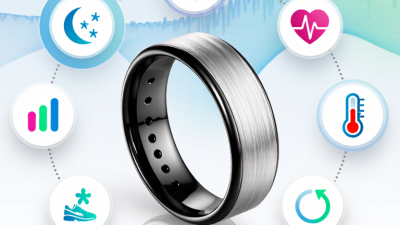
When comparing a Health Smart Ring, look beyond the number of sensors listed on the box. Check whether it tracks heart rate, overnight skin-temperature changes, movement, and—if offered—blood oxygen estimates. More sensors do not automatically mean better information. Ask how often readings are taken and whether the app explains missing data. A loose ring can interrupt measurements; one that feels tight may be uncomfortable by morning. Fit matters.
Think about what you want to learn. For sleep patterns, look for clear summaries of sleep duration and movement, not just a score. For activity, check whether step counts and workout detection suit your routine. Blood oxygen readings from a ring can be affected by fit and motion, so they should not replace medical assessment. That distinction is easy to overlook. Check battery life, too: frequent charging can leave gaps in overnight records. And the estimates may still be messy. Compare trends over several weeks rather than reacting to one unusual night, and notice whether the ring’s explanations match what you actually experienced. A sensor can collect data; it cannot explain every restless night.
A health smart ring is useful only when its readings are consistent enough to interpret. Compare its sleep, heart-rate, and temperature measurements with a trusted reference over several ordinary days. One unusual night proves little. Fit matters, too: a loose ring can produce gaps, especially during movement or when your hands are cold. Check whether the device explains how it measures each signal, rather than presenting a number without context.
Data quality depends on more than accuracy. Look for clear charts, timestamps, and notes about missing readings. Can you see week-to-week patterns, or only a daily score? That matters. A helpful app distinguishes measured data from estimates and explains what may affect results, such as late meals, hard exercise, or travel. Readings can vary. They are not diagnoses.
Health insights should lead to sensible questions, not alarming conclusions. For example, a sustained change in resting heart rate may be worth discussing with a qualified clinician, especially if you also feel unwell. Check how the ring handles personal baselines, and whether its advice reflects your usual routine. I would not trust a single readiness score to decide whether to train. Convenient, yes. Complete, not always. Consider comfort and data export, too; even accurate records are less useful if you cannot review them over time.
Comfort is not a luxury in a health smart ring; it affects whether you keep wearing it. Choose a fit that feels secure without pinching, and test it when your hands are warm and cool. Fingers can swell during exercise, travel, or sleep. Small details matter. Pew Research Center’s 2020 survey found that 21% of U.S. adults regularly wore a smartwatch or fitness tracker. That figure measures adoption, not comfort, but it underlines why everyday ease deserves attention.
Check the inner surface and edges for rough seams, sharp transitions, or coatings that irritate your skin. The American Academy of Dermatology identifies nickel as a common cause of allergic contact dermatitis, so review material disclosures if you have sensitive skin. A smooth finish helps, but it cannot guarantee a reaction-free fit. Take the ring off after a sweaty workout and inspect your skin; redness is useful feedback, not something to ignore.
Think about ordinary tasks, too. A ring should not catch on fabric, press against a neighboring finger, or feel distracting while typing. The World Health Organization’s 2022 Global Status Report on Physical Activity estimated that 27.5% of adults worldwide did not meet activity recommendations, based on 2016 data. That statistic does not prove a ring will improve activity; it does make comfort during real routines worth considering. A sizing kit can help, though one test day may not capture every change in fit.
| 10 Tips for Choosing a Health Smart Ring — Evaluate Comfort, Fit, Materials, and Everyday Wearability | |||
|---|---|---|---|
| No. | What to Evaluate | Practical Check | Why It Matters |
| 1 | Finger and fit | Use the sizing method supplied with the ring and wear a sample size for at least 24 hours, including while sleeping. Check that it stays in place without pinching. | A secure, comfortable fit helps the ring remain wearable and can support consistent sensor contact. |
| 2 | Changes in finger size | Recheck the fit at different times of day and in different temperatures. Fingers can swell with heat, exercise, or other everyday conditions. | A ring that feels comfortable in the morning may feel tight later, so allow for normal variation. |
| 3 | Width and profile | Compare the ring’s width and thickness with rings you already wear. Test making a fist, gripping a handle, and typing. | A lower-profile design may interfere less with hand movements and daily tasks. |
| 4 | Interior and edges | Feel the inner surface and edges for seams, sharp transitions, or raised sensor areas. Notice any pressure points during a full day of wear. | Smooth contours can reduce rubbing and make long-term wear more comfortable. |
| 5 | Materials and skin sensitivity | Review the materials that touch your skin, including the inner surface and any coating. If you have known sensitivities, check the material details before buying. | Skin-contact materials may affect comfort, especially for people prone to irritation or metal sensitivity. |
| 6 | Weight and balance | If possible, try the ring alongside your usual activities. Notice whether its weight or balance feels distracting when typing, carrying items, or sleeping. | A ring that feels unobtrusive is more likely to suit continuous, everyday wear. |
| 7 | Water and activity guidance | Read the maker’s stated water-resistance rating and care instructions. Check any limits for swimming, hot water, soaps, or chemicals. | Water resistance varies, and a rating does not necessarily mean the ring is suitable for every water-related activity. |
| 8 | Daily wear and hand use | Consider your work, hobbies, and exercise routine. Check whether gloves, tools, weights, or frequent gripping could make the ring uncomfortable or expose it to impact. | Daily activities can affect comfort and may increase the chance of scratches, snags, or pressure on the finger. |
| 9 | Charging routine | Check the stated battery life, charging time, and charger design. Consider whether the expected charging schedule fits your routine. | A manageable charging routine makes it easier to keep the device available for regular tracking. |
| 10 | Cleaning and long-term care | Look for clear cleaning and maintenance instructions. Check how to remove residue and whether the ring should be taken off for particular products or activities. | Simple care can help maintain comfort and keep the skin-contact surface clean during regular wear. |
A Smart Ring For Health should fit your daily routine, not just look good on a specification sheet. Check the stated battery life, then ask what affects it. Frequent measurements, notifications, and colder conditions may change how long a charge lasts. Small difference, big annoyance. If possible, read independent reviews that describe several days of regular use rather than a single test.
Look closely at charging time and the charger itself. Some rings need a dedicated cradle, which is easy to misplace in a travel bag. Check whether a short charge can cover a night of sleep tracking, and whether the charging cable works with equipment you already carry. A ring that takes hours to recharge may be inconvenient if its battery runs low before bedtime. Still, fast charging is not the only measure of quality.
Compatibility deserves equal attention. Confirm that the ring supports your phone’s operating system and the features you plan to use. An app may install successfully while certain functions remain unavailable on older devices. Check the minimum software version, Bluetooth requirements, and whether health data can sync with your preferred platform. Compatibility lists can be unclear; verify details with current support information before buying.
A smart ring collects intimate signals, so privacy deserves more than a quick look at the product page. Check whether sleep, heart-rate, and activity data can be deleted or exported, and whether sharing with third parties is optional. Pew Research Center reported in 2019 that 79% of U.S. adults were concerned about how companies use their data. That concern is practical. Read the privacy policy for clear retention periods, account controls, and details about data protection. IBM’s 2023 Cost of a Data Breach Report put the global average breach cost at $4.45 million; it does not measure ring security, but it shows why safeguards matter.
The app is part of the device. Before buying, inspect screenshots or test a trial version, if available. Can you find last night’s sleep stages in seconds? Are trends explained plainly, or buried behind charts? Smart Health Ring 2023 reviews may help, but check their dates and methods; app features can change after publication. A few taps should not feel like paperwork.
Compare the full cost, not just the checkout price. Include any subscription, replacement sizing kit, and likely battery or ring replacement costs. Then ask whether the app still offers useful insights without paying monthly. A lower price can disappoint if syncing is unreliable or support disappears. I would also check software update history and warranty terms. Those details are easy to skip. They are not glamorous, but they shape long-term value.
Suggested evaluation weights for comparing privacy, app experience, price, and long-term value.
Privacy and app experience receive the highest suggested weights. These percentages are a practical decision framework, not survey results or product test findings.
A smarter approach to everyday wellness starts with useful insights, not a complicated routine. A minimalist smart ring combines discreet design with health-tracking technology, making it easy to wear through work, exercise, and sleep. Its lightweight form keeps technology unobtrusive while helping you notice patterns in activity, heart rate, rest, and stress over time.
The World Health Organization’s 2024 global estimates found that about 1.8 billion adults—31% of adults worldwide—were not getting enough physical activity in 2022. A ring that tracks movement and exercise can help make daily activity more visible and encourage small, consistent changes. Heart-rate and stress trends add context to those activity records, offering a clearer picture of how your routine may be affecting your day.
Sleep tracking can also help you understand when you rest well and when your habits may be disrupting recovery. The U.S. Centers for Disease Control and Prevention recommends that adults get at least seven hours of sleep per night. By bringing sleep and activity insights together in one wearable, a smart ring can support healthier choices without adding a bulky device to your routine. These measurements are best used for general awareness, not as a substitute for professional medical advice.
Pick one or two goals, such as sleep timing or recovery after evening exercise. Tracking every number can feel overwhelming. Your priorities may change after a week.
No. Its sensors estimate bodily signals and can offer clues, not diagnoses. Discuss health concerns with a qualified clinician.
Compare trends over several ordinary days with a trusted reference. One unusual night proves little. Check timestamps, missing readings, and how the app explains estimates.
Yes. A loose fit may create gaps, especially during movement or when your hands are cold. Fingers can also swell after exercise or in hot weather.
Check expected battery life during regular use, charging time, and charger type. A small charging cradle is easy to misplace in a travel bag. Annoying, but real.
Confirm your phone’s operating system, minimum software version, and Bluetooth requirements. Some app features may not work on older devices. Verify current compatibility details.
Not always. Consider your usual routine and how you feel, rather than relying on one score. Convenient, yes. Complete, no.
Look for clear charts, weekly trends, and notes explaining factors like late meals or travel. Check whether you can export data. I may be overthinking that part, but records are easier to review when you can keep them.
Choosing a Health Smart Ring starts with identifying the health goals that matter most, such as monitoring sleep, activity, heart rate, or recovery. Compare the sensors and tracking features with those priorities, then consider how clearly the ring presents its data. Reliable measurements and useful insights can make it easier to recognize patterns and make informed choices about everyday habits.
Comfort matters because a ring is most useful when it fits well and feels suitable for regular wear. Check sizing, materials, durability, battery life, charging needs, and compatibility with your devices before deciding. Finally, review the companion app’s ease of use and privacy controls, along with any ongoing costs. Weighing these factors against the purchase price can help you choose a ring that fits your routine and offers lasting value.