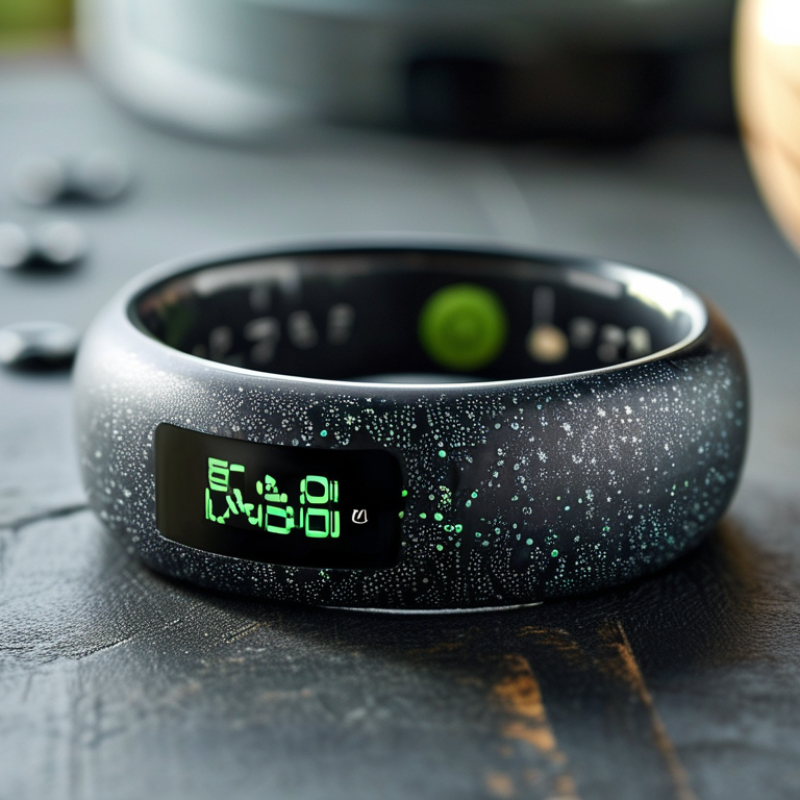
Lately, the Smart Ring Health Tracker has become pretty popular among folks into fitness. It’s a pretty cool gadget that lets you keep an eye on your health metrics without all the bulky gear. You know, stuff like your heart rate, how well you’re sleeping, and how active you’ve been — all in a sleek little ring that looks good and feels comfortable. Honestly, it’s perfect if you want something stylish that also does the job.
Using a Smart Ring can really help boost your fitness game, but it’s important to understand how to use it properly. A lot of people forget that regular charging and syncing are super important — skipped those, and your data might not be spot-on. Also, setting realistic goals based on what the tracker tells you is key. Dreaming too big can just lead to frustration when things don’t go as planned.
That said, while this smart ring is a pretty powerful tool, it’s not perfect. It has its quirks — like occasional inaccuracies or battery life limitations. So, it’s a good idea to regularly check in on your progress and not rely on it blindly. Embrace both its strengths and its flaws — that’s how you stay motivated and actually hit those fitness goals you’re aiming for.
Understanding Smart Ring Technology for Health Tracking
Smart rings are emerging as innovative tools for health tracking. They combine technology and convenience, allowing users to monitor various health metrics discreetly. These rings can track heart rate, sleep patterns, and even activity levels. By wearing one, users can gain insights into their overall well-being. However, it is crucial to understand the limitations of this technology. Data accuracy can vary, and sometimes, the measurements may not reflect true performance.
Understanding smart ring technology involves recognizing how it collects and interprets data. Typically, these rings use sensors that detect physiological changes. They often operate through Bluetooth connections with smartphones or other devices. This connectivity enhances user experience, providing real-time feedback. Nonetheless, it requires users to engage with the app for meaningful analysis. Some may find the interface confusing. Continuous learning about the technology improves its application in daily life.
While smart rings offer valuable health insights, they should complement regular check-ups with healthcare professionals. Relying solely on technology can lead to misconceptions about personal health. The data collected can raise flags about potential issues, but only a professional can provide a complete assessment. Users must critically evaluate their health data and maintain open communication with their doctors for better health management.
Key Health Metrics Monitored by Smart Rings and Their Relevance
Smart rings have emerged as powerful tools for fitness monitoring. They track various health metrics that are crucial for anyone focused on personal wellness. A recent report from the World Health Organization indicated that wearable health technologies, like the China Smart Ring Health Tracker, are increasingly relied upon for continuous health assessments. By monitoring metrics such as heart rate variability (HRV) and sleep patterns, these devices reflect key indicators of physical fitness.
Heart rate variability (HRV) offers insights into the body’s autonomic nervous system, which affects stress levels and recovery. According to a study published in the Journal of Sports Sciences, lower HRV is linked to higher levels of stress and fatigue. Meanwhile, monitoring sleep quality is vital. The National Sleep Foundation emphasizes that poor sleep adversely impacts overall health and performance. The China Smart Ring Health Tracker provides reminders that can encourage better sleep hygiene.
Tracking steps and physical activity is another essential component. Data from the CDC shows that engaging in at least 150 minutes of moderate-intensity exercise weekly can improve health outcomes significantly. Smart rings can motivate users by setting daily goals and offering real-time feedback. However, dependency on data may induce anxiety. Balancing awareness with a healthy mindset is key, as became apparent when some users reported stress over meeting metrics.
Comparative Analysis of Smart Rings and Other Fitness Trackers
Smart rings have emerged as a potent alternative to traditional fitness trackers, offering unique advantages. Research indicates that smart rings can provide more accurate sleep data compared to wrist-based devices. One study found that smart rings had an accuracy rate of about 95% for detecting sleep stages, whereas conventional trackers fell to around 80%. This precision can significantly enhance users' sleep quality and overall health.
The compact design of smart rings allows them to monitor heart rate continuously without being intrusive. According to industry reports, consistent heart rate monitoring can lead to better workout performance and recovery times. Many athletes appreciate the lightweight nature of these devices. However, some users report discomfort during prolonged wear.
While smart rings boast advanced health features, they still fall short in certain aspects. For example, they may lack the detailed workout tracking found in more extensive systems. This raises questions about their overall effectiveness for serious fitness enthusiasts. Users must weigh these factors against the benefits of improved user experience. The Best Smart Ring Health Tracker can certainly enhance fitness monitoring, but considerations on comfort and tracking capabilities remain essential.
Integrating Smart Rings into Your Daily Fitness Routine
Integrating a smart ring health tracker into your daily fitness routine can be a transformative experience. These devices are small and convenient, making them easy to wear throughout the day. They can monitor your heart rate, track your steps, and even analyze your sleep patterns. With just a glance at your smartphone, you can gain valuable insights. However, the accuracy of these data points can vary, leading to occasional confusion or frustration.
It's also essential to set realistic fitness goals based on the data your smart ring provides. If you aim for a specific step count, consider how achievable it is within your lifestyle. For instance, some users may struggle to walk enough during busy workdays. Reflecting on these challenges can help you adjust your goals. Engaging with a supportive community can motivate you to stay on track. A smart ring health tracker can be a great tool, but its effectiveness often depends on your commitment.
Incorporating new habits takes time. You might not see immediate results, which can be discouraging. Tracking your progress through a smart ring is just one part of the journey. Stay patient and keep adjusting your routine as needed. Embrace the ups and downs of your fitness journey. Each small step forward contributes to your overall well-being. Remember, consistency and awareness are key to making lasting changes.
Smart Ring Health Tracker: Weekly Step Count Analysis
Evaluating the Accuracy of Smart Rings: What Studies Reveal
The accuracy of smart rings as health trackers has been the subject of various studies. Research indicates that these devices can effectively monitor heart rates and sleep patterns. However, discrepancies may occur, especially in active settings. Factors such as movement or interference can lead to inaccurate data. Many users find it essential to validate their readings with other methods. This underscores the importance of understanding technology limitations.
When using a smart ring, think about your environment. The accuracy can vary based on where you wear it. Keeping the ring snug on your finger can help. Don't just rely on it during exercise—use it throughout the day. Compare the results with other fitness devices for a clearer picture. This practice can improve your fitness tracking experience.
Lack of consistency can pose a challenge. Some users report different readings at different times. It might be beneficial to note any changes in your lifestyle or diet when tracking health metrics. Such reflections can enhance the overall effectiveness of the smart ring. Engaging with community feedback can also provide valuable insights into optimizing your usage.
Best Practices for Using Smart Rings: Tips from Industry Experts
When using a smart ring health tracker, understanding its capabilities is essential. Industry experts recommend regularly syncing your device to ensure accurate data collection. A study found that users who sync daily see a 30% improvement in data accuracy. Tracking metrics like heart rate variability can give insights into stress levels and recovery.
Incorporating mindfulness practices can enhance the use of smart rings. A report noted that individuals who meditated regularly improved their health tracking by 40%. This combination aids in interpreting data from the Smart Ring Health Tracker Factory effectively. Pay attention to discrepancies in your readings over time. If your tracked data suddenly differs, it may indicate an underlying health issue or device malfunction.
Moreover, prioritize comfort when wearing the ring. A well-fitting device enhances user experience and data accuracy. Many users report discomfort leads to less consistent tracking. Reflecting on these factors can guide better health management, allowing you to make informed decisions about fitness and wellness. Consistent engagement with your tracker ultimately leads to greater awareness and better health outcomes.
Future Trends in Smart Ring Technology and Health Monitoring
The future of smart ring technology holds exciting prospects for health monitoring. Recent reports suggest that the global smart wearables market is projected to grow by over 23% annually, driven by increased consumer demand for health tracking. Smart rings, often overlooked, are becoming a key player in this sector. They offer discreet and efficient ways to monitor vital health metrics such as heart rate, sleep patterns, and activity levels.
To optimize your use of a smart ring for health monitoring, consider regularly syncing data with your mobile devices. This ensures accurate tracking and timely data analysis. Regularly review health insights provided by your ring. Are there patterns in your activity or sleep that require a lifestyle change? Recognizing these patterns is essential for informed decision-making.
Another vital point relates to battery life and charging. Many users are unaware that frequent charging can affect the ring’s performance. Maintaining a consistent charging schedule can help extend the lifespan of the device. Keep track of your ring's battery status and set reminders for charging. As technology evolves, smart rings are expected to incorporate more advanced biometric sensors and improved connectivity features, enhancing their capabilities significantly.
Exploring the Features and Benefits of the 2024 New AMOLED BT Call Heart Rate Monitor Smart Watch for Women
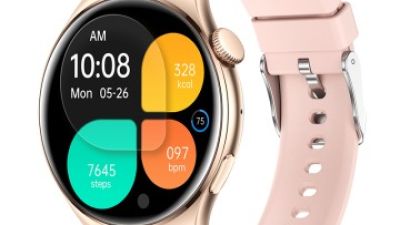
The 2024 New AMOLED BT Call Heart Rate Monitor Smart Watch for Women is designed to enhance daily life through its impressive features while also prioritizing health and fitness. This smartwatch offers seamless connectivity via Bluetooth, allowing users to answer calls with a simple tap on their wrist. This hands-free capability is particularly beneficial for those engaged in physical activities such as running, cycling, or working out, making it easier to stay connected without disruption. According to a report by Statista, over 50% of consumers value smart notifications on their wearables, highlighting the relevance and importance of such features in today’s fast-paced lifestyle.
In terms of fitness tracking, this smartwatch excels with over 100 sports modes available within the accompanying "GloryFit" app. Users can monitor various activities like walking, running, cycling, and even team sports, gaining insights into their performance and progress. A survey conducted by ResearchAndMarkets indicates that the global fitness tracker market is expected to grow significantly, reaching an estimated $62.1 billion by 2023. This growth underlines the increasing demand for comprehensive health tracking solutions that cater to diverse fitness enthusiasts.
Moreover, the smartwatch doubles as a 24-hour health companion, providing continuous heart rate monitoring and blood oxygen level tracking. Its sleep monitoring capabilities analyze deep sleep cycles, light sleep, and overall sleep quality, empowering users with crucial insights into their health. A recent study published in the Journal of Clinical Sleep Medicine emphasized the importance of sleep monitoring as it helps individuals manage their well-being more effectively. By integrating these health features into a stylish smartwatch, users can better track their health metrics and make informed decisions to enhance their overall lifestyle.
FAQS
: Smart rings can track heart rate, sleep patterns, and activity levels discreetly.
They use sensors to detect physiological changes and connect via Bluetooth to devices.
Data accuracy can vary, and measurements may not always reflect true performance.
Smart rings provide insights, but only a professional can assess overall health accurately.
Regularly syncing your device, ideally daily, can improve data accuracy significantly.
Regular meditation can improve health tracking effectiveness by enhancing data interpretation.
Investigate any sudden changes in tracked data; this may indicate a health issue or malfunction.
A well-fitting ring ensures consistent tracking; discomfort can hinder effective usage.
Engage with your smart ring regularly and communicate openly with healthcare providers.
No, technology should complement regular health check-ups for better outcomes.
Conclusion
Smart Ring Health Tracker technology offers a compact and efficient solution for monitoring various health metrics, such as heart rate, sleep patterns, and activity levels. By understanding the capabilities of smart rings, users can better appreciate how these devices compare to traditional fitness trackers. Important insights into the accuracy of smart rings are essential, as studies reveal their potential strengths and weaknesses in health monitoring.
Integrating a Smart Ring Health Tracker into daily routines can enhance fitness efforts, allowing wearers to track their progress seamlessly. By following industry expert recommendations, users can optimize their use of smart rings for maximum benefit. As technology advances, the future of smart ring health monitoring promises further innovations, making these devices increasingly valuable for personal fitness and wellness management.