Leave Your Message
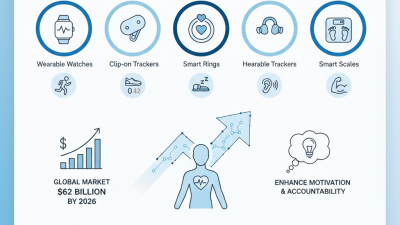
Lately, wearable tech has really shaken up the health world, especially with smart rings feeling like the latest must-have. It’s pretty wild — market research predicts that by 2026, the global smart ring market could be worth around $1.8 billion. But let’s be honest, these aren’t just a passing fad. They actually give us some pretty cool health insights. Companies like Oura and Motiv are really pushing the envelope here, offering stuff like sleep tracking, heart rate monitoring, and activity stats that make it easier to keep tabs on your overall wellness.
Truth is, about 80% of folks using smart rings say they’re more aware of their health trends now. That’s a big deal. It shows just how much Smart Ring Health is becoming key in helping people stay proactive about their wellness. They’re great for tracking everything from your fitness goals and sleep quality to stress levels — giving you a pretty complete picture of your health. But, and here’s the thing, it’s not all sunshine and rainbows. If you’re not careful, you might misread the data and end up worrying over nothing or, worse, ignoring real issues. Knowing how to interpret what your ring tells you is super important if you really wanna get the most out of it.
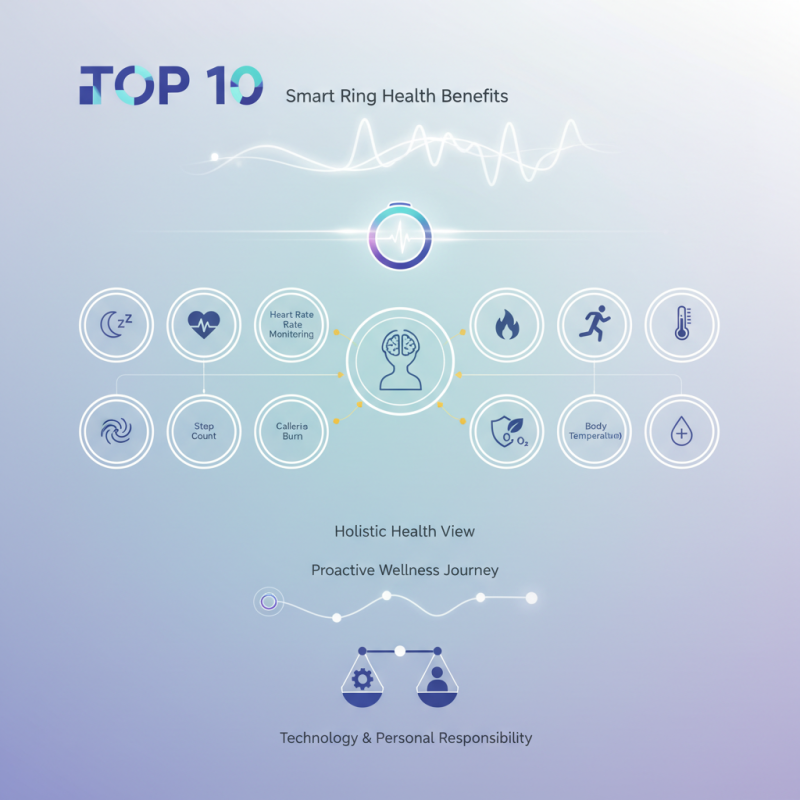
When you look at the top 10 health perks of smart rings, it’s clear that a good mix of tech and personal responsibility is key. With trustworthy data in hand, folks can make smarter choices about their health journey, but it’s always about finding that balance and not relying solely on gadgets.
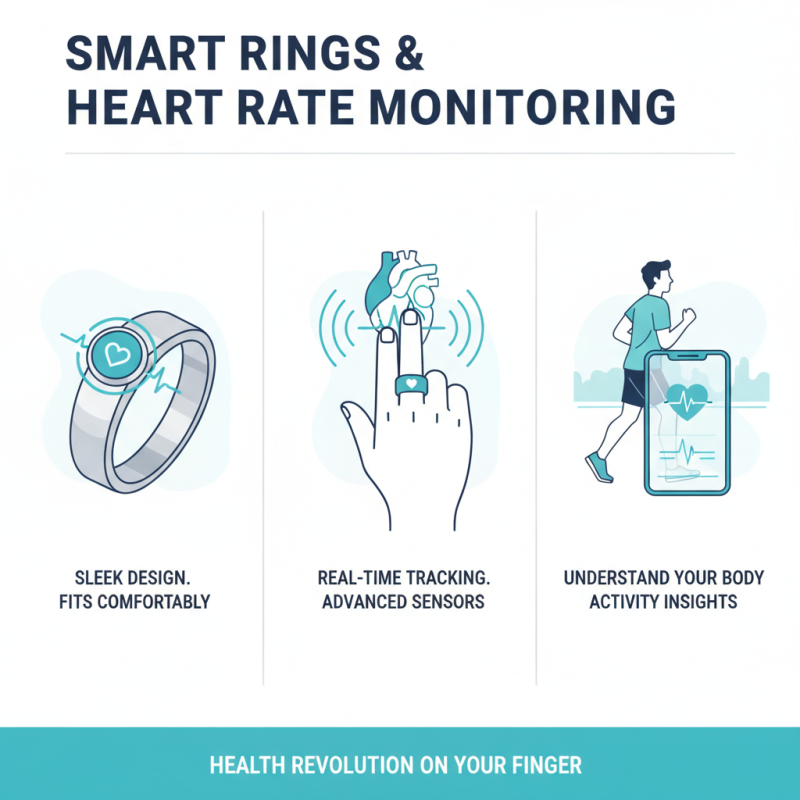
Smart rings are emerging as a convenient way to monitor health. These compact devices can track various metrics, such as heart rate, sleep patterns, and activity levels. With their lightweight design, they fit seamlessly into daily life. Many users appreciate that they can keep on top of their health without wearing bulky devices.
The data provided by a Smart Health Ring can be highly valuable. It offers insights into personal health trends and encourages users to make informed decisions. For instance, monitoring sleep quality can improve rest and overall energy. However, some may worry about data accuracy and privacy. Understanding how data is collected and used is essential for building trust in these devices.
While the benefits are clear, there are challenges. Some users find wearable technology overwhelming. They may face information overload or confusion over app interfaces. It's crucial to take the time to understand one’s own data and use it wisely. Recognizing these aspects can enhance the user experience and lead to better health outcomes.
| Health Benefit | Description | Impact |
|---|---|---|
| Heart Rate Monitoring | Tracks your heart rate continuously to help detect any abnormalities. | Enhances awareness of cardiovascular health. |
| Sleep Tracking | Monitors sleep patterns and quality to improve rest. | Promotes better sleep habits. |
| Activity Tracking | Counts steps, calories burned, and distance traveled. | Encourages physical activity. |
| Stress Level Monitoring | Tracks stress indicators based on heart rate variability. | Helps in managing stress effectively. |
| Blood Oxygen Monitoring | Measures oxygen saturation levels in the blood. | Provides insights into respiratory health. |
| Temperature Monitoring | Tracks body temperature variations. | Early detection of potential fever. |
| Hydration Reminders | Notifies you to drink water at regular intervals. | Encourages proper hydration. |
| Calorie Intake Monitoring | Helps log and track daily caloric intake. | Supports weight management goals. |
| Emergency Alert Features | Allows sending alerts in case of medical emergencies. | Enhances personal safety. |
| Integration with Health Apps | Syncs data with various health tracking applications. | Provides a comprehensive view of health metrics. |
As we delve into the emerging trends of wearable health technology for 2024, one standout innovation is the waterproof smart ring. These devices, often crafted with minimalist design, encapsulate advanced technology and aesthetics, making them an appealing choice for health-conscious consumers. The latest market reports indicate a significant shift in consumer preferences towards health-centric wearables, predicting that the smart ring segment alone could experience a compound annual growth rate (CAGR) of over 20% through the next several years.
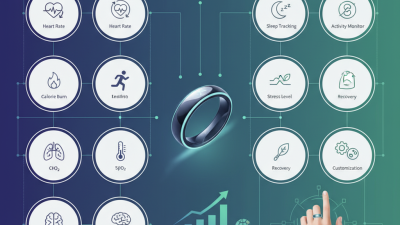
Smart rings are not merely ornamental; they function as professional health assistants by integrating multiple health monitoring modules. Users can track vital metrics such as heart rate, sleep patterns, physical activity, and stress levels with precision. This comprehensive data collection empowers individuals to make informed decisions about their well-being. According to recent studies, wearable devices that provide real-time health insights can lead to a 15-20% improvement in users’ health outcomes, promoting not just healthier living but also enhancing daily experiences through technology.
The waterproof aspect of these smart rings further broadens their appeal, catering to users who maintain active lifestyles, allowing for continuous health monitoring irrespective of environmental conditions. This durability ensures that both tech enthusiasts and fitness aficionados can enjoy uninterrupted tracking during workouts or everyday activities. As we look towards 2024, one thing is clear: the integration of sophisticated technology with user-friendly designs will continue to shape the landscape of wearable health technology, making health awareness more accessible and enjoyable for everyone.
: Smart rings track heart rate, movement, and breathing, providing insights into sleep patterns. Users can identify disruptions for better sleep.
Set a consistent bedtime and reduce screen time before sleep. This helps regulate your body’s clock and boosts melatonin production.
A calming bedtime routine is essential. Dim lighting and soothing music can signal your brain to wind down effectively.
Smart rings track heart rate variability (HRV) to provide insights into emotional states, helping users manage their stress better.
Consider practicing mindfulness or taking breaks. Immediate alerts allow users to address stress proactively.
Expect advanced sensors and integration of AI, providing deeper health insights and potentially predicting illnesses based on biometrics.
User privacy and data security are critical concerns. Protecting against cyber threats is essential for user trust and device efficacy.
Upcoming features may include medication reminders and personalized fitness coaching, making health management more intuitive and comprehensive.
Constant monitoring can feel intrusive. Balancing technology use with personal privacy is crucial for widespread acceptance.
Continuous user feedback helps improve functionalities. Understanding user comfort and preferences will shape future design and features.
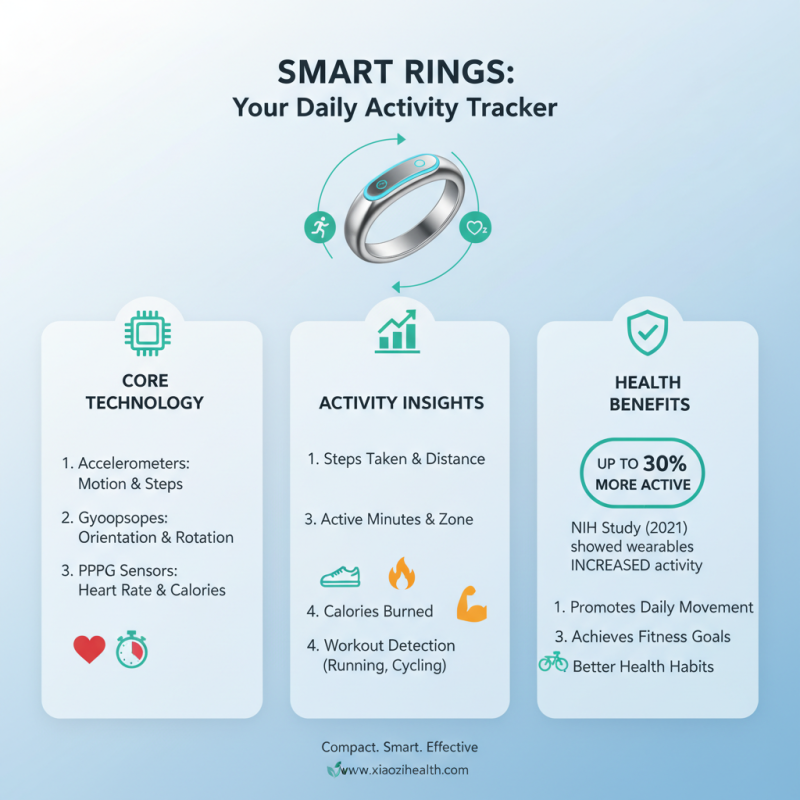
Smart ring health technology is revolutionizing the way we monitor and manage our health. These innovative devices offer a range of benefits, including the effective tracking of physical activity, which helps users maintain an active lifestyle. Furthermore, smart rings play a crucial role in improving sleep quality by analyzing sleep patterns and providing insights for better rest. They also excel in heart rate monitoring, allowing individuals to keep a close eye on their cardiovascular health.
In addition to these features, smart rings facilitate stress and mood analysis, enhancing overall mental well-being. They serve as essential tools for health data integration, consolidating various health metrics into a single platform. As technology evolves, the future trends in smart ring health promise even greater advancements in health management, making these devices indispensable for anyone seeking to optimize their wellness journey.