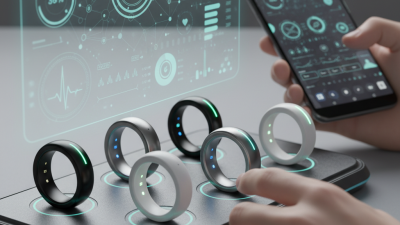
Have you noticed how Smart Ring Health tech is totally changing the game when it comes to keeping track of our personal health? I mean, according to a recent report from the Global Wellness Institute, the wearable health device market is expected to hit a staggering $100 billion by 2025. That’s pretty wild, right? These smart rings, small and easy to use, give us important health info that used to require these bulky, hard-to-wear gadgets. It’s honestly pretty cool.
Dr. Lisa Tran, who’s pretty much a must-know expert on wearable health tech, says, “Smart Ring Health can totally change how we keep an eye on our vital signs every day.” These rings can monitor your heart rate, sleep habits, and even how active you’re being — encouraging us to take control of our health instead of just reacting to problems. A study by Pew Research Center found that around 75% of folks feel more in charge of their health since they started using these devices.
That said, it’s not all sunshine and rainbows. Some people find all that data a bit overwhelming or confusing to make sense of. And there’s also some skepticism — like, how accurate are these devices compared to the more traditional health checks? Still, even with those hiccups, the potential of Smart Ring Health is huge. It’s opening the door to healthier lifestyles and better wellness overall. It’s an exciting time, for sure.

Understanding Smart Ring Health Technology
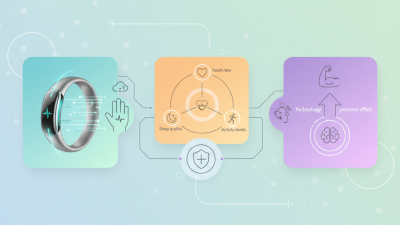
Smart ring health technology is revolutionizing the way we monitor our well-being. These stylish rings are packed with sensors that track vital health metrics. Heart rate, sleep patterns, and activity levels are just a few examples. The data collected can provide valuable insights into your daily habits. This level of tracking can be eye-opening for many users.
With smart rings, the convenience factor is significant. Unlike bulky wearables, these rings can be worn comfortably throughout your day. However, it’s important to remember that not all rings provide the same accuracy. Misinterpretations of data can occur. Regular users might see fluctuations that seem alarming but require deeper analysis.
The technology behind smart rings is advancing rapidly. It offers a glimpse into the future of personal health management. Still, individuals should remain cautious. Over-reliance on technology can lead to anxiety, especially if users fixate on metrics. Balance is key in integrating these devices into your lifestyle. Understanding your health data requires critical thinking and, at times, professional guidance.
Key Features of Smart Rings for Health Monitoring
Smart rings are becoming popular tools for health monitoring. They pack advanced technology into a compact design. Many models track essential health metrics like heart rate, sleep quality, and activity levels. A recent study indicated that wearable health devices have seen a 30% growth in adoption over the past two years. This trend highlights their increasing significance in personal healthcare.
One of the key features is continuous heart rate monitoring. These rings can detect changes in heart rate variability, which can indicate stress or fatigue. A report by the Global Wellness Institute notes that stress management is crucial; about 55% of adults experience daily stress. Smart rings provide users with real-time data, which can be insightful for lifestyle adjustments.
Another important aspect is sleep tracking. Quality sleep is vital for overall health. Research shows that poor sleep can reduce cognitive function and increase the risk of chronic illnesses. Smart rings analyze sleep patterns, offering insights into sleep stages and disturbances. However, some users may find inaccuracies in sleep data. Devices must improve in this area to enhance reliability. This presents an opportunity for ongoing development in this promising technology, as the potential for accurate health analytics remains vast.
What is Smart Ring Health and How Can It Benefit You? - Key Features of Smart Rings for Health Monitoring
| Feature |
Description |
Benefits |
| Heart Rate Monitoring |
Tracks your heart rate throughout the day |
Helps in detecting irregularities and tracking fitness levels |
| Sleep Tracking |
Monitors sleep patterns, duration, and quality |
Improves sleep hygiene and overall health |
| Activity Tracking |
Logs daily activities and calories burned |
Encourages a more active lifestyle and fitness goals |
| Stress Management |
Measures stress levels through heart variability |
Promotes better mental health and well-being |
| Notifications |
Provides call, message, and app notifications |
Keeps you connected without needing to check your phone |
How Smart Rings Track Your Vital Signs
Smart rings have emerged as innovative tools in health tracking. They offer a sleek and convenient way to monitor vital signs. These devices can measure heart rate, sleep patterns, and even stress levels. Their small size makes them easily wearable throughout the day. Many individuals appreciate this convenience, as it encourages daily health monitoring.
The technology behind smart rings uses sensors to collect data. This data is then analyzed to provide insights into your health. For example, irregular heart rate readings can alert users to potential health issues. However, it’s essential to remember that these devices are not replacements for professional medical advice. Misinterpretation of data can lead to unnecessary worry. Relying solely on a Smart Health Ring without consulting a healthcare provider might not be wise.
While smart rings offer valuable information, they are not infallible. Calibration and accuracy can vary by device. Users must be mindful of these limitations. Pairing the insights from a smart ring with regular check-ups is beneficial. A balanced approach ensures you make informed health decisions.
Benefits of Using Smart Rings for Daily Health Management
Smart rings are gaining popularity for daily health management. These compact devices provide real-time data on various health metrics. According to a report from the Consumer Technology Association, about 30% of consumers use wearables for fitness and health tracking. This trend highlights the growing interest in monitoring personal wellness.
Using a Health Smart Ring offers several benefits. It tracks vital signs such as heart rate, sleep patterns, and activity levels. A study published in the Journal of Medical Internet Research found that wearables can improve self-management of health conditions by 15-30%. These rings encourage lifestyle changes through actionable insights. For example, tracking sleep quality can help users adjust their routines for better rest.
However, there are challenges. Not all users find smart rings comfortable for long-term wear. Some people may not fully understand the data provided. It’s essential to consult health professionals to interpret these metrics correctly. This device is a tool, not a replacement for personalized medical advice. While promising, users must reflect on their intentions and expectations when adopting such technologies.
Comparing Smart Rings to Traditional Health Devices
Smart rings are revolutionizing the way we monitor our health. Unlike traditional health devices, which can be bulky and awkward, smart rings offer a sleek, unobtrusive design. A recent industry report highlighted that wearable health tech, including smart rings, is projected to reach a market value of $100 billion by 2025. Users appreciate how easy these devices make tracking crucial health metrics daily.
Traditional devices often require extensive setup and regular maintenance. In contrast, the Smart Ring For Health focuses on user convenience. Data collection is seamless and continuous. For instance, studies show that smart rings can provide accurate heart rate monitoring comparable to chest straps. However, concerns arise about battery life and sensor accuracy. Users question whether these rings can maintain reliability during intense physical activity.
Another significant difference lies in the data analysis capability. Smart rings employ advanced algorithms to interpret health data effectively. The insights generated can help users make informed lifestyle choices. Nevertheless, there's a potential risk of overreliance on technology. This could hinder personal intuition regarding health. Striking the right balance between technology and self-awareness remains a challenge for many individuals.
Future Trends in Smart Ring Health Innovations
The future of smart ring health innovations
is bright. Reports indicate that the global smart ring market is expected to grow at a CAGR of 18.45% from 2023 to 2030. This growth is driven by technological advancements and increasing health awareness. Research suggests that wearable health technology reduces hospital visits by approximately 30%.
Smart rings can monitor vital signs like heart rate, sleep quality, and even stress levels.
However, challenges remain. Many users report that data accuracy can vary. Some smart rings have difficulty tracking metrics during intense physical activity. Additionally, privacy concerns impact user adoption. The data collected can be sensitive, making consumers hesitant. Future innovations must address these issues and enhance data security.
Emerging trends include improved sensors and AI integration. These advancements can lead to real-time health insights. Developers aim to create rings that offer more personalized health recommendations. As we move further into 2023, the integration of smart health technology appears inevitable. Increasing interoperability with other devices will also be crucial. These developments could transform how individuals interact with their health.
User Experiences and Testimonials on Smart Rings
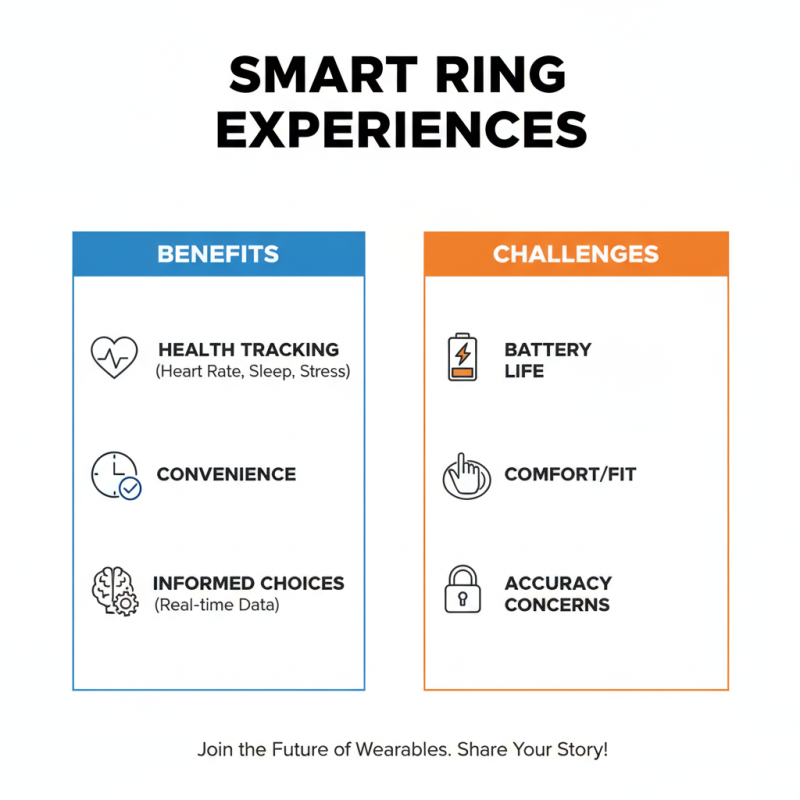
Smart rings are gaining popularity for their health tracking capabilities. Users share varied experiences that highlight both benefits and challenges. Some find the convenience hard to beat. They can track heart rate, sleep patterns, and even stress levels. Real-time data helps users make informed health choices.
Many testimonials emphasize the ease of use. Individuals appreciate the sleek design, making them suitable for daily wear. However, not all feedback is glowing. Some users report connectivity issues with their phones. Others wish for better battery life. These reflections show that while smart rings offer potential benefits, there is still room for improvement.
Feedback often emphasizes motivation. Users feel encouraged to stay active and improve habits. Many enjoy sharing their data with friends for accountability. Yet, concerns about accuracy sometimes linger. This ongoing discussion around smart ring experiences reveals how personal health technology still evolves. It prompts further exploration into user needs and technological advancements.
Conclusion
Smart Ring Health technology represents a significant advancement in personal health monitoring, offering a compact and user-friendly solution for tracking vital signs. Featuring a range of capabilities, smart rings can measure heart rate, sleep patterns, and activity levels, making it easier for users to manage their health on a daily basis. Compared to traditional health devices, smart rings are more discreet and comfortable, allowing for continuous monitoring without disrupting daily routines.
The benefits of Smart Ring Health extend beyond mere tracking; they empower users to gain insights into their overall well-being, foster healthier habits, and proactively manage health conditions. As innovations in smart ring technology continue to evolve, user experiences highlight their effectiveness and convenience, paving the way for a future where health management is more accessible and integrated into everyday life.