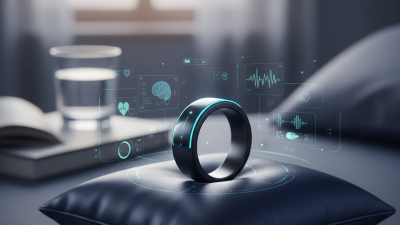
With wearable tech becoming more and more popular these days, the Smart Ring Fitness Tracker is really catching people's attention as a cool way to keep tabs on your health. Dr. Sarah Thompson, who’s pretty well-known in the wearable health scene, even says that “Smart rings might totally change the way we check up on our health every day.” I think that really shows just how much importance people are starting to give to these small gadgets.
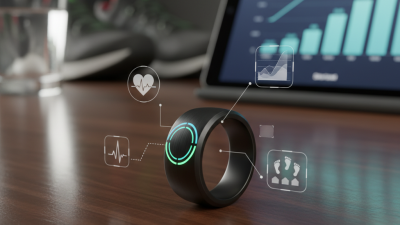
These smart rings offer a pretty fresh way to keep an eye on your vital signs. They can track your heart rate, sleep, and activity levels—all without being obvious or bulky. Unlike those big fitness bands, these rings are super sleek and comfortable, so you might forget you’re even wearing them. That means you’re more likely to wear them consistently, which is great for getting better data and actually understanding your health better.
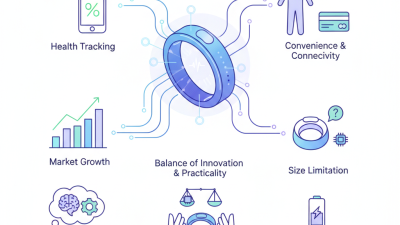
Of course, it’s not all perfect. Sometimes, the measurements might not be 100% spot-on, and folks often find the app stuff a bit clunky or confusing. Plus, the sheer amount of data you get can feel a bit overwhelming. Still, even with those little hiccups, the tech is improving fast and honestly, it’s pretty exciting to think about what this could mean for future health monitoring. The idea that we might all become more aware of our health and be able to manage it proactively? That’s definitely something to look forward to.
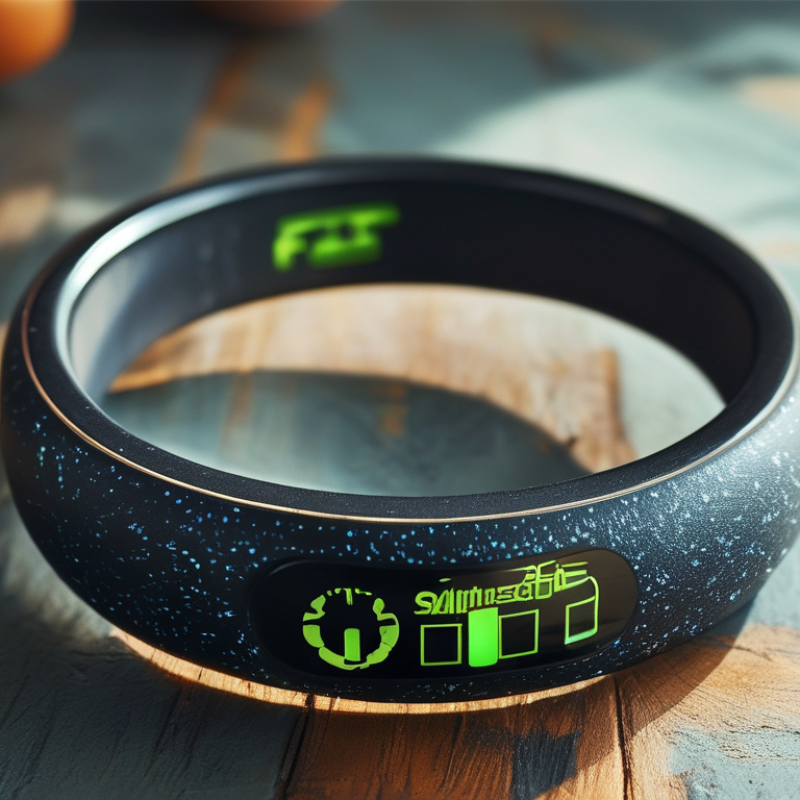
What is a Smart Ring Fitness Tracker?
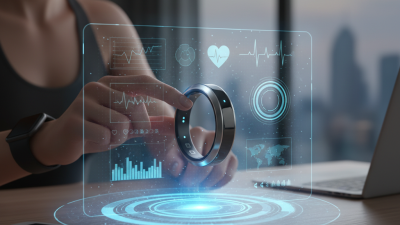
Smart ring fitness trackers are innovative devices designed for health monitoring. They track vital metrics, offering discreet and convenient options. Unlike traditional wearables, smart rings fit comfortably on your finger. They can monitor heart rate, sleep patterns, and even stress levels. Their compact design makes them ideal for daily wear, gaining popularity among fitness enthusiasts.
These rings come with various features, providing real-time data. Users appreciate the seamless integration with mobile devices. However, accuracy can sometimes vary. Some may find the small screen challenging to read. Despite these drawbacks, many enjoy the lightweight feel and stylish look. By choosing a smart ring, you accept trade-offs that could impact your experience.
Understanding how these devices function is key. They use sensors to collect health data and algorithms to interpret it. While they provide valuable insights, it's essential to approach the information critically. Some users should rely on additional sources for deeper health analysis. Smart rings offer potential, but reflect on their limitations and your specific needs before committing.
Key Features of Smart Ring Fitness Trackers
Smart ring fitness trackers have emerged as effective tools for health monitoring. They offer a compact and stylish alternative to traditional wearables. Key features make these devices stand out in the crowded fitness market.
One significant aspect is heart rate monitoring. These rings can track your heart rate in real-time. They provide insights into your cardiovascular health. This feature is vital for anyone focused on fitness. Additionally, some models can monitor sleep patterns. Understanding your sleep quality is essential for overall well-being.
Another notable feature is activity tracking. Smart ring fitness trackers can count steps and measure distance. This data helps users stay active throughout the day. Notifications and reminders are also common. These prompt you to move when you’ve been inactive. However, some users find notifications distracting. They might prefer fewer alerts to maintain focus.
Smart Ring Fitness Tracker 4g enables connectivity without needing a smartphone nearby. This allows users to receive updates instantly. However, the convenience may lead to over-dependence on the device. It's important to balance tech usage with mindful habits.
Top Smart Ring Fitness Tracker for Health Monitoring Benefits
| Feature |
Description |
Health Monitoring Benefit |
| Heart Rate Monitoring |
Tracks heart rate continuously throughout the day. |
Helps in detecting irregular heartbeats and monitoring overall cardiovascular health. |
| Sleep Tracking |
Monitors sleep patterns, including duration and quality. |
Provides insights to optimize sleep for better recovery and mental health. |
| Activity Tracking |
Counts steps, tracks workouts, and monitors daily activity levels. |
Encourages users to stay active and achieve fitness goals. |
| Calorie Tracking |
Estimates calories burned based on activity levels. |
Assists in weight management and dietary planning. |
| Blood Oxygen Level Monitoring |
Measures SpO2 levels in the blood. |
Important for respiratory health and overall well-being. |
Benefits of Using Smart Rings for Health Monitoring
Smart rings are revolutionizing health monitoring. They offer discrete tracking of vital signs and activity levels. These small devices can measure heart rate, sleep quality, and even stress levels. Their compact size makes them easy to wear all day long, giving users continuous insights.
One of the key benefits of smart rings is real-time data tracking. Users receive immediate feedback on their health metrics. This instant visibility helps people make informed decisions about fitness and wellness. However, the accuracy of some smart rings can vary. It’s important for users to cross-reference readings with other reliable sources.
Moreover, many people find motivation through gamification features in these rings. Achievements unlock rewarding experiences, encouraging healthy habits. Yet, over-reliance on tech can lead to anxiety. It’s crucial to balance technology with personal intuition and self-care practices. In the end, smart rings can enhance awareness, but they should complement, not replace, traditional health practices.
Comparative Analysis of Popular Smart Ring Models
Smart rings are emerging as popular tools for health monitoring. They offer various features, such as heart rate tracking and sleep monitoring. Many consumers find it challenging to choose the right model. Each ring has unique specifications, making comparative analysis necessary.
When evaluating smart rings, consider battery life and sensor accuracy. Some models last several days on a single charge, while others require daily charging. Accuracy is critical for tracking essential health data. Users should read reviews and user experiences to identify which rings perform best over time.
Design and comfort also play vital roles. A ring that looks good may not fit well. Comfort is essential for daily wear. Some rings might feel bulky or irritating, impacting your experience. A good
Fitness Tracker Smart Ring should blend functionality with aesthetics. It is vital to reflect on personal preferences and needs before making a decision.
User Experience: Real-Life Applications and Feedback
User feedback on smart ring fitness trackers highlights their practical applications and benefits. Many users praise their discreet design and convenience, allowing health monitoring without bulky devices. According to a 2023 report from the International Health Device Institute, nearly 70% of users noted improved engagement with their health metrics. They appreciate the ability to track heart rate, sleep patterns, and activity levels with a simple touch.
However, not all experiences are positive. Some users reported discrepancies in data accuracy, particularly in heart rate monitoring. In some cases, individuals found the notifications distracting rather than helpful. A study by Tech Research Group showed that 35% of users experienced frustration with connectivity issues. This feedback underscores the importance of continuous improvement in tech functionality.
Tips for optimal use of smart rings include wearing them snugly for accurate readings. Regular software updates can enhance performance and fix bugs. Additionally, users should customize settings to minimize distractions from alerts. Effective use of the
China Smart Ring Fitness Tracker can lead to a deeper understanding of personal health patterns. It's essential to weigh both the advantages and limitations before fully relying on these devices for health monitoring.
Integration with Mobile Apps and Other Devices
The integration of smart ring fitness trackers with mobile apps has transformed health monitoring. These devices are small yet powerful. They can sync with smartphones, allowing users to track their activities and health metrics in real-time.
A recent report by the International Data Corporation indicates that wearables like smart rings are experiencing a market growth rate of 15% annually. This trend highlights their increasing popularity among fitness enthusiasts.
Many smart rings offer features such as heart rate monitoring, sleep tracking, and activity logging. They often connect seamlessly with various health apps, which analyze user data. This connectivity enhances personal health insights.
However, relying solely on these devices can lead to overdependence on tech without considering professional advice.
Users should also be aware of data privacy concerns. While many apps claim to use encryption, data breaches can occur. It’s important to stay informed about how personal health data is managed. Overall, smart rings can boost health tracking but awareness and caution are essential. Balancing tech use with traditional health practices can lead to better outcomes.
Future Trends in Smart Ring Technology for Health Monitoring
As technology advances, smart rings have gained traction in health monitoring. These compact devices offer a range of benefits, including tracking heart rate, sleep patterns, and activity levels. Users report increased motivation through real-time feedback. However, the effectiveness can vary based on individual usage. Some people find the data overwhelming or challenging to interpret, which can lead to confusion.
Future trends show promising developments for smart ring technology. Innovations such as improved sensors and AI integration could enhance accuracy. Potential advancements may allow for more precise health metrics, which is exciting for users seeking the
Best Smart Ring Fitness Tracker.
Yet, privacy concerns loom large. Users may hesitate to share sensitive health data without robust security measures in place.
Accessibility is another critical aspect. Smart rings must appeal to a broad audience, including those less tech-savvy. Future models may feature user-friendly interfaces, making health tracking more intuitive. The journey to personalization in health monitoring is significant. As smart rings evolve, it’s essential to consider user feedback and adapt continuously to create something that truly benefits everyone.
Leveraging Wearable Technology: Insights from Industry Reports on the Impact of Smartwatches like the Waterproof BT Call HD Display Model on Health Monitoring
The advent of wearable technology has significantly transformed health monitoring, particularly with the introduction of innovative smartwatches. Industry reports indicate that the global smartwatch market is expected to reach USD 96.31 billion by 2027, growing at a CAGR of 18.4% from 2020 to 2027. This growth is driven by increasing consumer demand for health and fitness tracking features, which are seamlessly integrated into devices like the latest waterproof BT call HD display model. Such advancements not only provide users with convenience but also enhance their ability to monitor their health effectively.
Among the standout features of the latest smartwatches is the incorporation of AI voice assistants, which allow users to control their devices hands-free. Users can make calls, play music, and access various applications simply by tapping “Voice Assistant.” This functionality not only contributes to a more user-friendly experience but also promotes a safer approach to multitasking, especially while engaging in outdoor activities. The built-in speaker supports making calls directly from the watch, which aligns with a growing trend where people prefer to streamline their devices for efficient communication while on the go.
Moreover, with capabilities that support health monitoring functions such as heart rate tracking, sleep analysis, and even stress management, smartwatches have become essential tools for individuals seeking to maintain their well-being. Reports highlight that around 50% of smartwatch users utilize their devices for fitness purposes, underscoring the increasing reliance on technology for personal health management. As wearable technology continues to evolve, it brings forth promising possibilities for enhancing health monitoring and overall lifestyle, making it a must-have accessory in today’s fast-paced world.
FAQS
: Smart rings are discreet and convenient. They allow users to track heart rate, sleep patterns, and activity levels easily.
Many users report discrepancies in data accuracy, especially regarding heart rate monitoring. This causes frustration for some.
Users report distractions from notifications and connectivity issues. These problems can reduce the overall user experience.
Wear the ring snugly for better readings. Regular software updates and customized settings can also enhance performance.
Future smart rings may feature improved sensors and AI. These advancements could enhance accuracy in health metrics.
Yes, many users worry about sharing sensitive health data. Strong security measures are crucial for user confidence.
Accessibility is vital. Future smart rings should have user-friendly interfaces to cater to all users effectively.
Some users find the information challenging to interpret. This confusion may hinder their motivation to use the device.
Users should weigh the benefits against the limitations. Not every user may find the device beneficial for health monitoring.
Continuous user feedback can guide the evolution of smart rings, creating better, more tailored health monitoring solutions.
Conclusion
The "Smart Ring Fitness Tracker" is an innovative wearable device designed to monitor health metrics effectively. These compact gadgets combine advanced technology with convenience, offering features such as heart rate monitoring, sleep tracking, and activity recognition. Their small size and discreet design make them a popular choice among fitness enthusiasts and health-conscious individuals.
The benefits of using a Smart Ring Fitness Tracker for health monitoring extend beyond basic data collection; they enable seamless integration with mobile apps and other devices, enhancing user experiences. Through real-life applications and user feedback, it becomes evident that these trackers provide valuable insights into personal health, shaping future trends in health monitoring technologies. With ongoing advancements, smart rings continue to evolve, promising improved functionality and greater health benefits for users in the coming years.