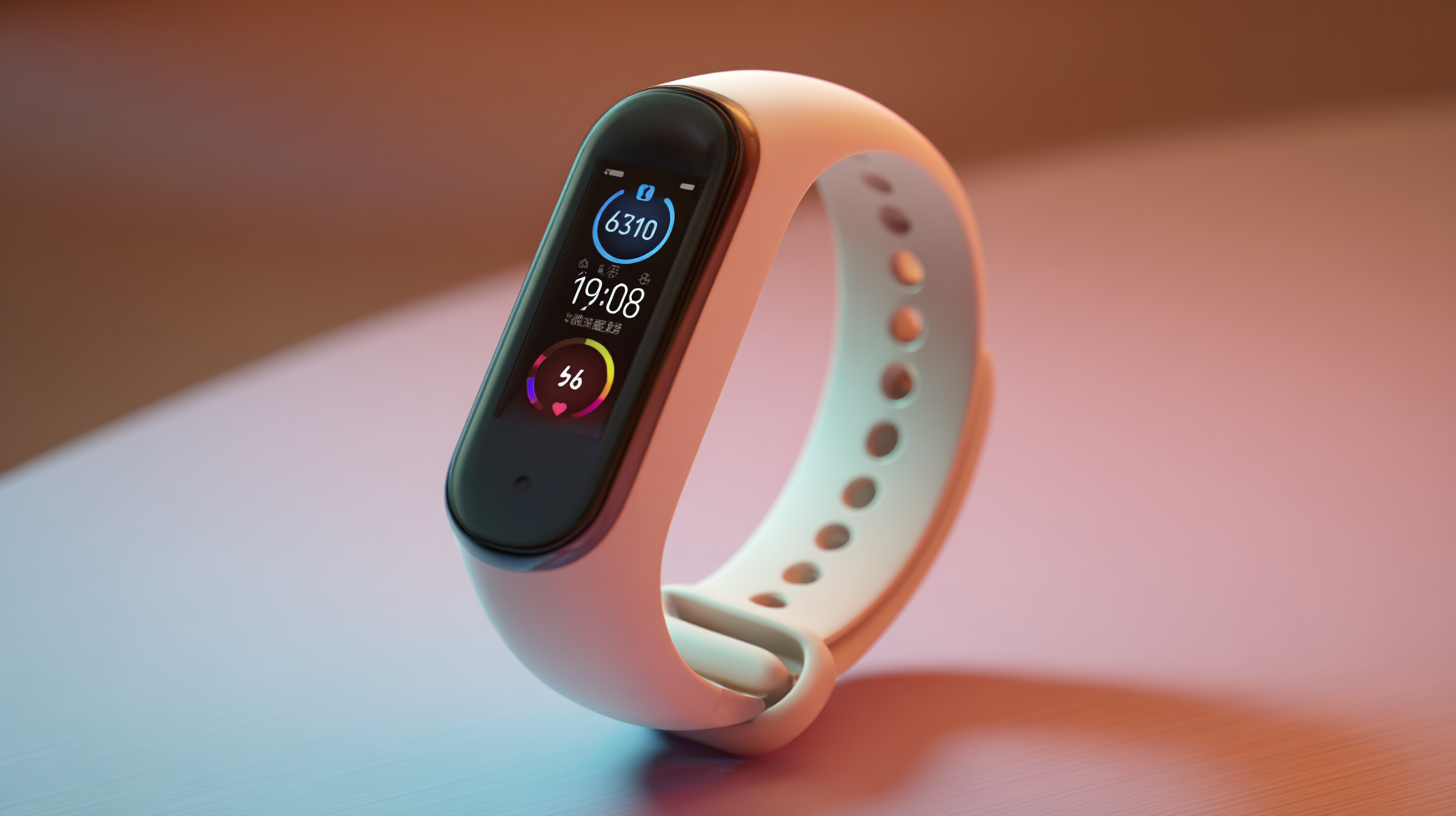
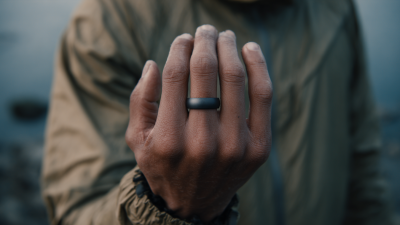
As the global market for consumer health tech keeps growing, the Health Tracker Ring segment has really taken off, especially noticeable at big events like the 138th China Import and Export Fair back in 2025. Recent reports suggest that the wearable health tech space is expected to hit over 60 billion dollars by 2027, with smart rings being one of the fastest-growing parts of that market. Companies like Jiangxi Xiaozhi Health Technology Co., Ltd., which is based in Shenzhen, Guangdong, are leading the charge—always pushing for new innovations and aiming to give users better health tracking experiences. The Health Tracker Ring, which quietly monitors various health stats, is quickly catching the eye of tech-loving folks who want something convenient and trustworthy for managing their health. As more people around the world become health-conscious, demand for these kinds of gadgets is definitely on the rise. That’s why events like the China Import and Export Fair are so important — they’re perfect platforms to showcase these new ideas and tap into new market opportunities.
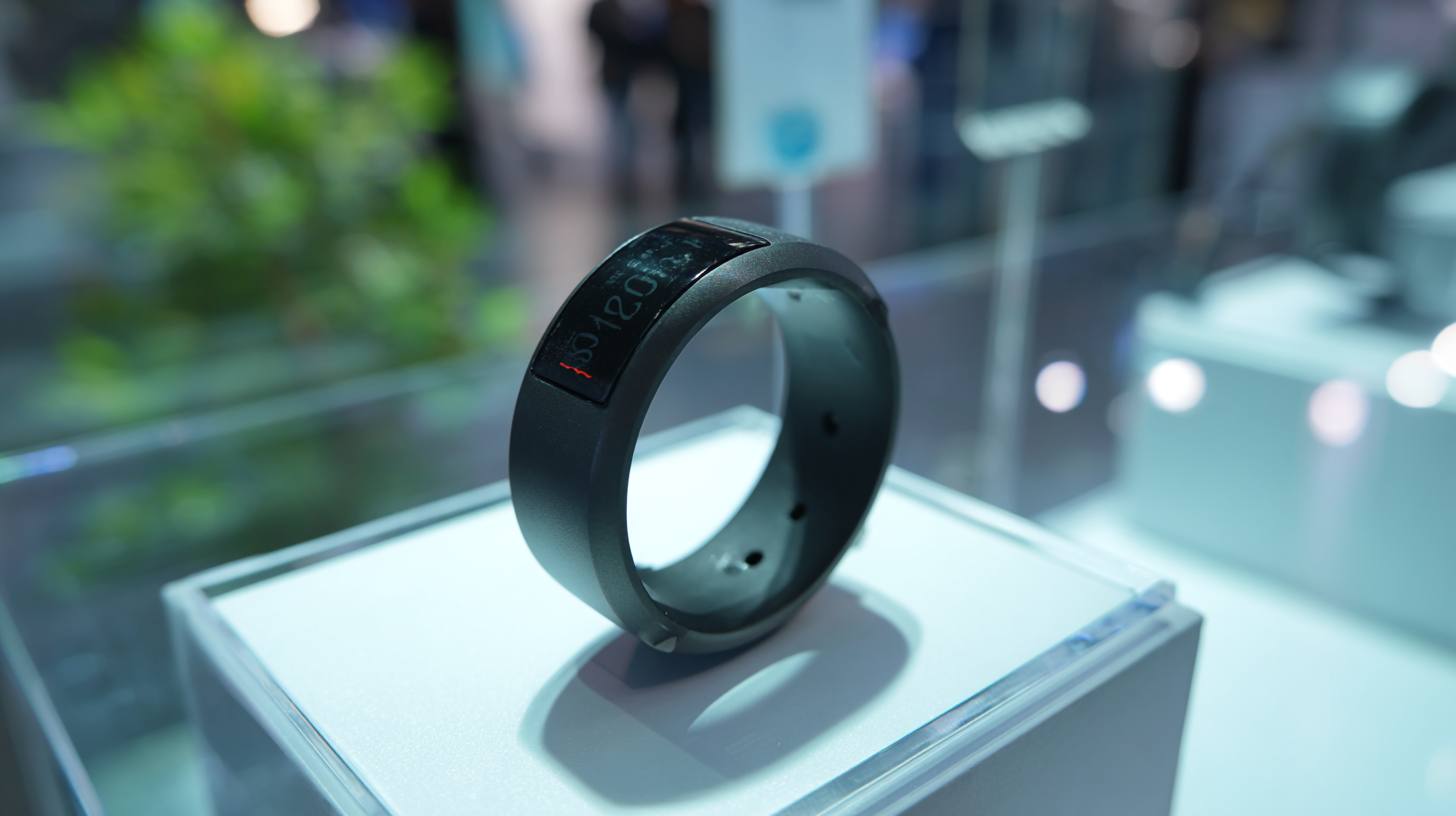
Emerging Health Tracker Ring Technologies Showcased at the Fair
As the market for Health Tracker Rings keeps evolving, what people want really influences how these devices are designed and what features they have. According to Deloitte’s 2025 report, folks are getting more into personalized, tech-savvy health solutions. You can see this trend in how more people are looking for health tracker rings that offer customized functions, fitting their unique lifestyles. The smart fitness device market, which was worth around $1.68 billion in 2025, is expected to keep growing—projected to hit about $3.14 billion by 2033, growing roughly 5.9% each year. That’s some serious growth potential, right?
When choosing a health tracker ring, it’s a good idea to think about your personal health goals. Make sure the features match your lifestyle—whether it’s tracking your sleep, your activity levels, or giving you custom health insights. Finding the right fit can really make a difference.
And here’s something else interesting from Deloitte’s insights: more than 550 retail companies are jumping on these new trends, focusing on innovative designs and advanced sensor tech. Plus, the wearable AI market is booming—from about $48.82 billion in 2025, it’s expected to skyrocket to a whopping $260.29 billion by 2032. That just shows how much AI is becoming a part of everyday gadgets, making them more intuitive and user-friendly.
A quick tip: Keep an eye on the latest in wearable tech. This way, you’ll be better equipped to pick a tracker that works smoothly with your current devices and apps, making your health journey a little easier.
Market Dynamics Influencing Health Tracker Ring Demand in China
The health tracker ring market in China is really about to see some exciting growth, thanks to a mix of changing consumer tastes and strong market forces. If you look at the numbers, the global market is expected to jump from around $417 million in 2025 all the way up to a staggering $2.5 billion by 2032 — shows how much people are into this stuff! It’s pretty clear that more folks in China are craving smart wearable tech, especially those rings that track your health. They pack features like heart rate monitoring, sleep analysis, and fitness stats, which really hit the sweet spot for a population that's more and more focused on staying healthy.
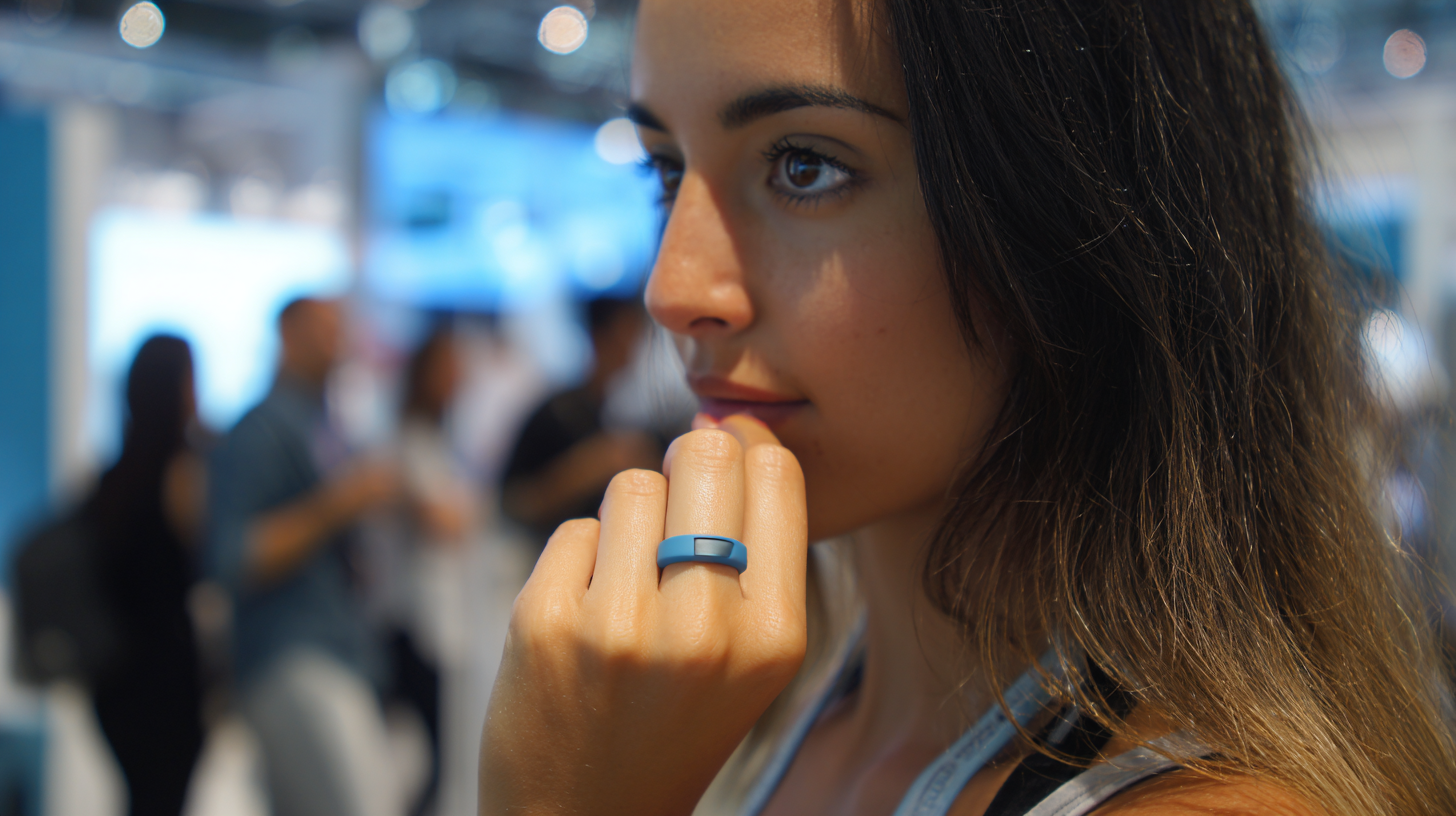
What’s driving all this? Well, a couple of big things, actually. First, we're seeing more people dealing with chronic health issues or just generally paying more attention to their personal health, pushing them to look for smarter ways to keep tabs on their well-being. Plus, tech keeps getting better and more connected, with IoT making these rings even easier to use and more functional. And companies like Jiangxi Xiaozhi Health Technology Co., Ltd., are right in the mix—bringing top-notch health tech products to the market and really helping to shape this growing scene in China.
Key Players and Innovations in the Health Tracker Ring Industry
The market for health tracker rings is really looking up, and it’s expected to grow quite a bit in the coming years. Big players and new tech innovations are driving the scene, and forecasts show that the global wearable tech market could hit around $80 billion by 2025. What’s fueling this boom? Well, advances in materials and smart features are making these rings more appealing—whether you're a corporate worker trying to stay healthy or a fitness junkie chasing goals, there’s something for everyone.
One thing that’s really making a difference is how brands are integrating Bluetooth and NFC tech into these rings, making connectivity smoother and overall user experience way better. As consumer needs keep evolving, companies are pouring tons of resources into R&D, and you could see that at events like the 2025 China Import and Export Fair, where the big names showcase their latest stuff. It’s a pretty competitive space, so staying innovative is key to staying ahead. As smart wearable devices become more common, more folks will get interested in using these rings for health tracking and daily engagement, which should help cement their spot as a major player in the wearable tech world.
Consumer Preferences Shaping Health Tracker Ring Features
The market for health tracker rings is really picking up pace. People just seem to want devices that look sleek but still pack a punch when it comes to features. I’ve noticed that about 55% of users really care about sleep tracking in their wearables—that’s a pretty clear sign that folks are all about managing their health better. As these preferences become more influential, brands are pouring their energy into making gadgets that are subtle and stylish, so you don’t have to wear a bulky smartwatch to get key insights.
It’s pretty exciting to see how tech and personal health are coming together. A lot of companies now understand that users want stuff to connect smoothly and be super easy to read — no confusing screens or complicated setups. That’s pushing designers to come up with better user experiences. Monitoring things like heart rate, oxygen levels, and activity seems to be the standard now, and brands are always trying to improve their devices to keep up with what health-conscious folks are after.
Looking ahead, it’s going to be really interesting to see how new players—like Jiangxi Xiaozhi Health Technology Co., Ltd.—step up to the plate, especially at big events like the China Import and Export Fair in 2025. The way these brands adapt to the shifting landscape will be pretty fascinating to watch.
Health Tracker Ring Features Preferences (2025)
Sustainability Trends Impacting the Health Tracker Ring Market
Hey there! The 2025 China Import and Export Fair is gearing up to showcase quite a shift in the health tracker ring scene, especially with how sustainability is really taking center stage and changing what customers look for. You know how more and more folks are trying to do their part for the environment? Well, manufacturers of health trackers are jumping on that bandwagon too, by using eco-friendly materials and smarter, energy-saving tech. It’s not just about catchin’ consumer interest — it also ties into big-picture global sustainability goals. For companies like Jiangxi Xiaozhi Health Tech, this is a big deal.
Speaking of Jiangxi Xiaozhi, we’re a tech-focused company based in Shenzhen and totally get how important it is to blend sustainability into our products. By choosing eco-conscious materials for our health tracker rings, we’re doing our part to lower our environmental impact while still giving folks innovative and useful health gadgets.
A quick tip for folks shopping around: peek for tracker rings that focus on eco-friendly production and use materials that are kind to the planet. Look out for certifications or labels that vouch for their green practices. And of course, go for brands that are open about how they make their stuff — transparency counts! Overall, it’s all about supporting products that are good for your health and good for the environment at the same time.
Future Outlook for Health Tracker Rings Post-Exhibition Insights
With the 2025 China Import and Export Fair coming up, the market for health tracker rings is definitely on the brink of some exciting changes. Industry insiders are buzzing about how the smart wearable market is expected to grow at an annual rate of around 14.5%, and health tracker rings are playing a pretty big role in this whole scene. More and more folks are paying attention to their health these days, partly because of the rise in chronic health issues, and that’s pushing demand for these kinds of devices. A survey by Mordor Intelligence revealed that about 40% of people are on the hunt for gadgets that give them real-time health info—pretty clear sign that innovation in health trackers really matters now.
After the fair wraps up, it’s clear that manufacturers will be pushing to pack even more features into these rings—stuff like heart rate monitoring, sleep tracking, and tools to help manage stress are likely to become pretty standard. A report from Grand View Research pointed out that the global market for health and fitness wearables was valued at around $14.4 billion back in 2019, and it’s expected to grow like crazy. That’s a solid sign that a lot of interest and investment are heading into this space, especially into health tracker rings. As companies showcase their latest creations at the fair, it’s going to be really interesting to see how feedback from consumers and stakeholders shapes what comes next. All in all, it’s a pretty exciting time for the industry—things are definitely heating up in the wearable tech world, especially when it comes to these little rings that are packed with potential.
Exploring Health Tracker Ring Market Trends at China Import and Export Fair 2025 - Future Outlook for Health Tracker Rings Post-Exhibition Insights
| Market Segment |
Current Market Size (USD) |
Projected Growth Rate 2025 (%) |
Key Consumer Demographics |
Emerging Technologies |
| Fitness Tracking |
35 million |
12 |
Ages 18-35 |
AI Health Insights |
| Health Monitoring |
20 million |
15 |
Ages 36-50 |
Biometric Sensors |
| Medical Use |
10 million |
20 |
Ages 51 and above |
Remote Patient Monitoring |
| Wellness Tracking |
25 million |
18 |
All Ages |
Sleep Analysis |
The Ultimate Guide to the 3ATM Newest 1.96 Inch Fitness Tracker Smart Watch for Men: Features, Benefits, and Usage Tips
The 3ATM Newest 1.96 Inch Fitness Tracker Smart Watch for Men is a remarkable device that perfectly intertwines advanced fitness tracking with modern smart functionalities. This smartwatch is designed to monitor your physical activities, allowing you to effortlessly keep tabs on your daily workouts, steps, and overall health metrics. Its large 1.96-inch display makes it easy to view your progress and health insights at a glance, providing a comprehensive overview of your fitness journey.
Beyond its fitness capabilities, this smartwatch excels in connectivity. It pairs seamlessly with your smartphone, ensuring you never miss important notifications or phone calls. The convenience of having alerts right on your wrist enhances your productivity and allows you to stay connected even while on the move. Additionally, the smartwatch offers quick access to a variety of apps, from meditation and wellness to weather updates and timers, making it a versatile companion for both fitness enthusiasts and everyday users alike. With its mix of functionality and style, the 3ATM fitness tracker is an essential tool for anyone looking to elevate their fitness game while staying connected to the world around them.
FAQS
: The market for wearable health technologies in China is projected to exceed $110 billion by 2025.
Manufacturers must comply with the Medical Device Supervision and Administration Regulation (MDSAR) to enter or expand in the Chinese market.
There has been a 5% increase in import tariffs on certain health monitoring devices, which can impact the pricing strategies and profit margins for foreign manufacturers.
Exporters must comply with the Personal Information Protection Law (PIPL), which regulates how health data is collected and shared.
Innovations include precise sleep tracking, heart rate monitoring, and improved battery life, aimed at enhancing personal health monitoring.
The market is expanding due to an increasing number of individuals using digital tools for health management and a growing demand for discreet and effective health monitoring solutions.
Key features include user-friendly interfaces, seamless data integration, accuracy, and reliability in health monitoring.
The integration of cutting-edge technology enhances user experience and increases the accuracy and reliability of health tracking.
Health tracker rings provide discreet yet effective solutions for monitoring wellness, making them appealing to health-conscious consumers.
Companies should closely monitor these regulatory developments to ensure compliance and capitalize on the rising demand for health tracker rings.
Conclusion
So, I recently came across this article titled 'Exploring Health Tracker Ring Market Trends at China Import and Export Fair 2025,' and honestly, it gives a pretty interesting rundown of what's happening with health tracker rings right now. It talks about some cool new technologies being shown off at the fair—stuff that's probably going to impact what people want and expect from these gadgets in China. The industry players aren’t just sitting still; they’re actually pushing innovation to make their products more appealing, especially since consumers nowadays are super conscious about their health.
On top of that, the article touches on a growing focus on sustainability. Turns out, more and more folks are thinking about the environmental impact of the stuff they buy, including health tech. Companies like Jiangxi Xiaozhi Health Technology Co., Ltd. seem to be in a good spot to take advantage of these trends because they’re aligning their products with both what consumers want and the need to be eco-friendly. Overall, things look pretty bright for health tracker rings, especially after seeing what’s being showcased at the fair—there’s definitely a lot of potential here.