Leave Your Message
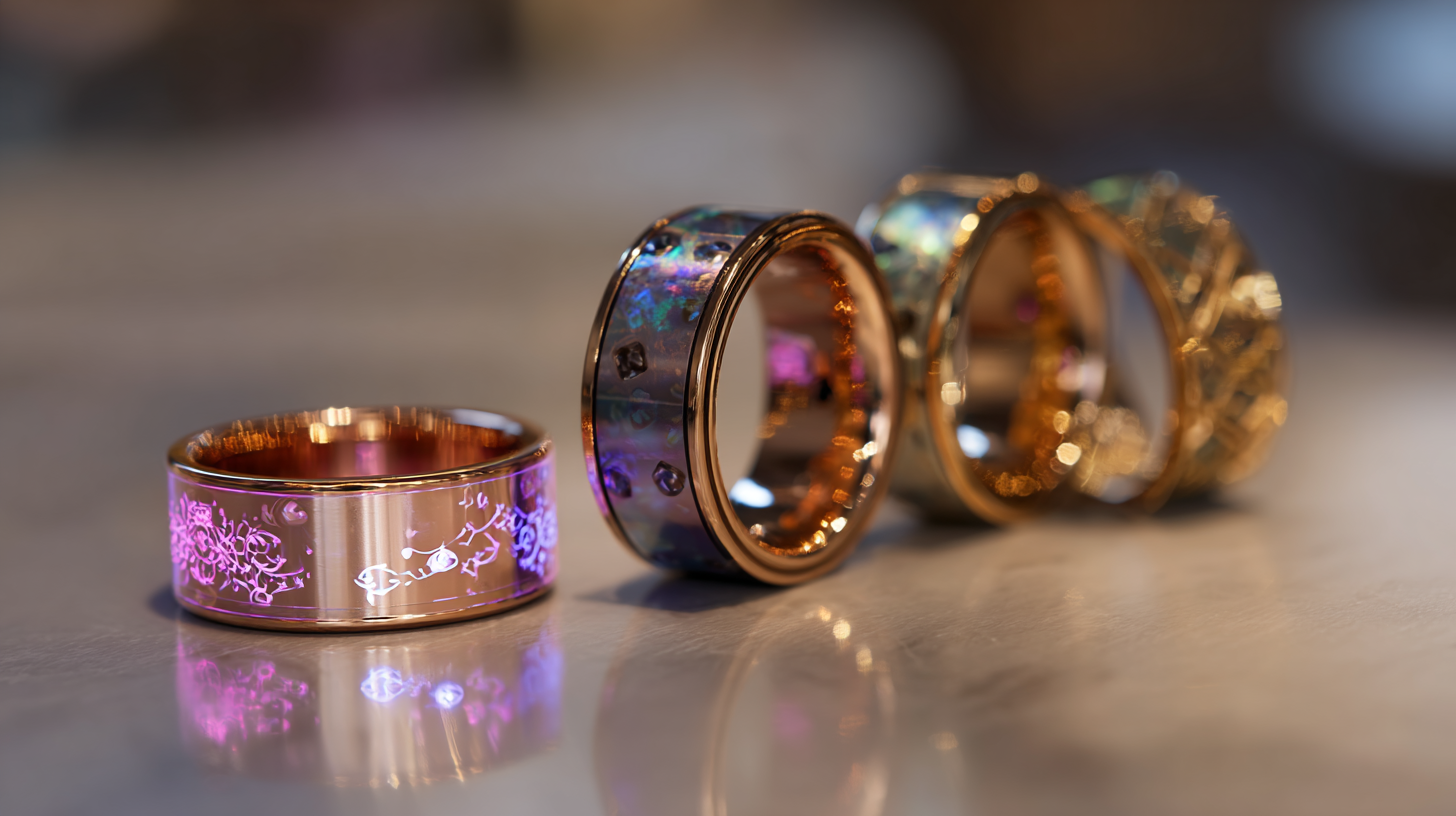
Hey, have you noticed how quickly wearable tech is changing these days? One of the coolest new gadgets out there is the so-called 'Popular Smart Rings.' They’re basically a mix of style and useful tech—looking sleek but packed with features. I actually spoke with Dr. Jane Smith, who’s pretty much an expert in this field at Wearable Tech Innovations. She said something like, ‘Smart rings are really changing the game when it comes to staying connected and keeping track of your health. They give you a smooth experience that's both fancy and super practical.’ Pretty impressive, right?
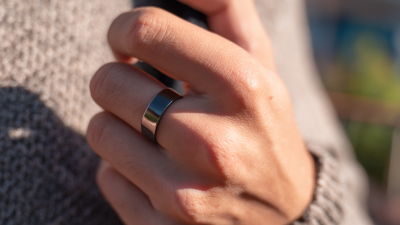
As we think about where wearable tech is headed, it’s kind of wild to see how these tiny devices are becoming part of our day-to-day lives. Unlike bulky smartwatches, smart rings are super discreet but still do a lot—they keep tabs on your health stats, send notifications, and even let you make payments, all from your finger. Thanks to all the high-tech sensors and constant connectivity, ‘Popular Smart Rings’ are definitely becoming a key player in the wearables scene.
In this article, I’m gonna walk you through what these smart rings can do, what tech is making them so popular, and how they might even change the way we look after our health and stay connected. Stick around as we explore the coolest innovations in this exciting space — because honestly, these smart rings are more than just a fad; they’re a pretty big step forward in wearable tech.

The market for smart rings is witnessing rapid growth, fueled by increasing consumer interest in wearable technology. By 2033, the smart ring market is projected to reach approximately $1.428 billion, with an impressive compound annual growth rate (CAGR) of 26.0% from 2023 to 2033. This expansion is indicative of a broader trend within the wearable technology sector, which is gaining momentum as consumers look for more sophisticated and versatile devices that can integrate seamlessly into their daily lives.
In particular, smart rings are carving out a significant niche, currently valued at $0.9 billion in 2022, and expected to grow to $4.5 billion by 2030. The anticipated CAGR of 22.5% from 2024 to 2030 reflects a robust demand for compact, multifunctional wearables that not only track health metrics but also serve various lifestyle functions. As companies continue to innovate and enhance the capabilities of smart rings, their adoption rates are likely to soar, further solidifying their place in the wearable tech landscape.
In today’s fast-paced world, merging technology with spirituality has become increasingly essential for modern worshippers. The Zikr Lite Smart Ring Tasbih offers an innovative solution to enhance spiritual practice through its multidimensional features tailored for individuals on the go. As per recent research, 68% of professionals express a desire for tools that support their spiritual needs in their daily routines, highlighting a growing demand for such devices.
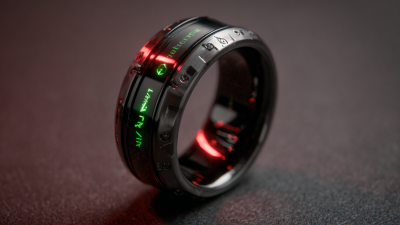
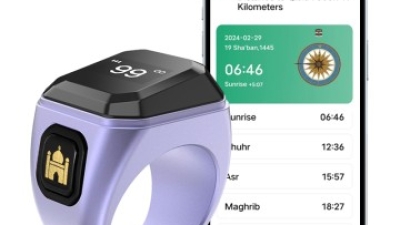
This Smart Zikr Ring is not just a piece of jewelry; it serves as a powerful reminder and tracker that allows users to seamlessly integrate Zikr into their busy lifestyles. With features such as Zikr Count Tracking, Daily Reminders, and Customizable Modes, this smart ring ensures that users can maintain their spiritual connection, whether they're at work, in classes, or traveling. The sleek design and vibrating alerts enhance usability, making it not only a stylish accessory but also a vital tool for spiritual growth.
The Zikr Ring’s technical specifications further reflect its advanced capabilities. Equipped with an OLED screen and Bluetooth 5.1, it connects readily to both Android and iOS systems, enabling users to receive notifications directly on their devices. Its lightweight design (7.7g) and efficient battery life (up to 5 days in basic usage) ensure a hassle-free experience. For those looking to deepen their spiritual practices, the Smart Zikr Ring stands out as a compelling innovation, blending faith with the conveniences of modern technology.
: Smart rings typically offer health monitoring features such as heart rate tracking, blood oxygen level monitoring, and sleep monitoring.
Smart rings utilize artificial intelligence to provide personalized health insights and recommendations based on user data and habits.
Future innovations may include advancements in biometric sensors for features like continuous glucose tracking and sleep apnea detection, as well as improved AI and machine learning integration for personalized insights.
Companies are investing in smart rings to meet consumer demand for versatile wearables that combine health monitoring and modern conveniences, positioning themselves at the forefront of the digital health revolution.
Consumers should consider selecting a smart ring with customizable features that align with their lifestyle needs, whether it be for fitness tracking or mobile notifications.
As connectivity improves, smart rings are expected to interact seamlessly with other smart devices, creating a holistic ecosystem that enhances overall user experience.
Users should stay informed about software upgrades and new features from their smart ring manufacturer to maximize functionality and keep up with the latest innovations.
A key trend is the integration of gesture controls and mobile payments, which combines health monitoring with modern convenience.
Artificial intelligence and machine learning will enable smart rings to provide more tailored insights and adapt to users' needs and habits over time.
Smart rings are anticipated to lead a new wave of innovation in wearable tech, combining health features with convenience in a compact and stylish design.
The article "Discover the Future of Wearable Technology with Popular Smart Rings" explores the significant growth and adoption rates of smart rings within the wearable technology market. It highlights their key features, including advanced health monitoring capabilities and seamless payment solutions, which make them increasingly appealing compared to traditional wearable devices. The article also delves into user demographics, revealing a diverse audience that is quickly embracing smart ring technology.
Additionally, it discusses projected trends for future innovations in smart ring development, emphasizing how these devices are set to enhance daily life by providing greater convenience and improving health management. As companies like Jiangxi Xiaozhi Health Technology Co., Ltd. contribute to this evolving landscape, the potential for smart rings to integrate deeply into consumer health technologies continues to expand, shaping the future of personal electronics.