If you're on a mission to get healthier, chances are you’re checking out technology to help you along the way. One device that might just be a game-changer is the Fitness Ring Tracker. These little gadgets aren’t just about telling time—they actually keep tabs on your vital signs and motivate you to stay active. Thanks to how popular smart wearables have become, fitness rings are catching on pretty quick, mainly because they’re pretty cool and easy to wear.
What makes a Fitness Ring Tracker stand out? Well, they often come packed with features like heart rate monitoring, sleep tracking, and keeping tabs on your daily activity. But heads up— not all rings are equally reliable. Some might promise the moon and deliver very little, so it’s super important to know what really matters and what’s just marketing hype. A lot of folks get swept up in flashy ads and then end up disappointed later on.
So, if you’re thinking about buying one, it’s best to understand what you *actually* need from your tracker. Look for brands that focus on accuracy and making the user experience smooth. That way, you’re building a real connection with your device, not just hoping it’ll magically change everything. Setting realistic expectations will make your fitness journey way more enjoyable, and honestly, it might totally change how you think about staying healthy.
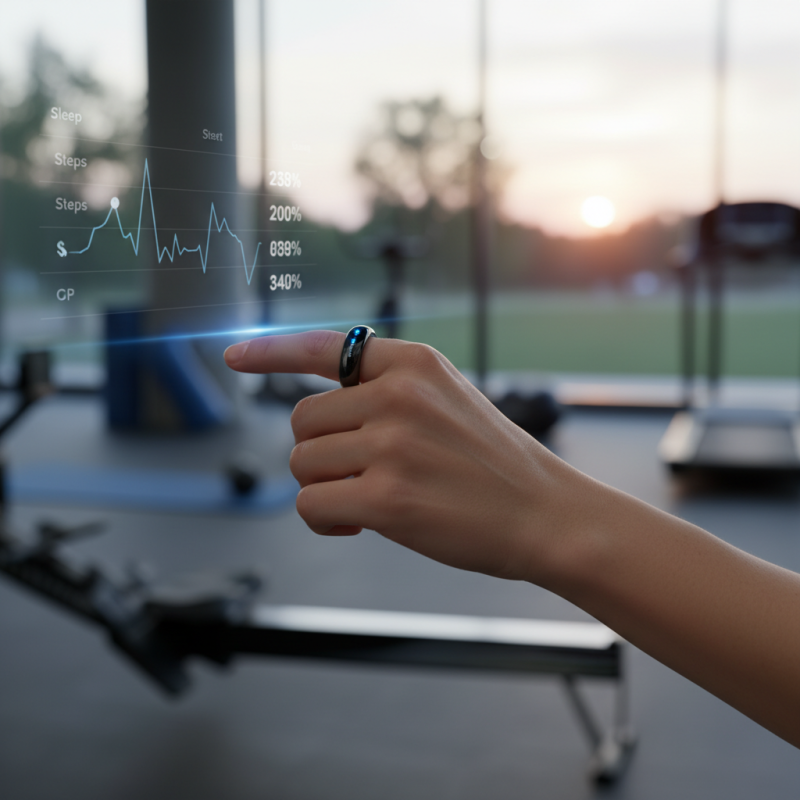
Key Features of Fitness Ring Trackers
Fitness ring trackers have gained immense popularity in recent years. These devices offer a range of features that make tracking our health more accessible and effective. One pivotal feature is heart rate monitoring. Research indicates that continuous heart rate tracking can provide valuable insights into cardiovascular health. A report by Grand View Research found that the global fitness tracker market is expected to reach USD 62 billion by 2025. This growth indicates the increasing reliance on these devices for health management.
Another noteworthy aspect is sleep tracking. Many users struggle with sleep quality. Studies show that poor sleep can adversely affect physical and mental well-being. Fitness rings often analyze sleep patterns and suggest improvements. An article in the Journal of Clinical Sleep Medicine highlighted that effective sleep tracking can reduce insomnia rates. However, accuracy can vary. Some rings might not differentiate between light and deep sleep effectively, leading to questions about the data's reliability.
Activity tracking is also essential. These rings often monitor daily steps, calories burned, and workout intensity. Yet, while data can inspire, it can also overwhelm. Users may feel pressured to meet daily goals, which can lead to anxiety rather than motivation. Balancing ambition with sustainable practices can be difficult. Insights from health experts suggest that setting realistic targets is vital. The features in fitness ring trackers provide compelling benefits, but their effectiveness largely depends on how users interpret and apply the data in their lives.
How Fitness Ring Trackers Monitor Physical Activity
Fitness Ring Trackers are revolutionizing the way we monitor our physical activity. These compact devices sit comfortably on your finger, providing real-time data about your daily movements. By utilizing advanced sensors, they can track steps, distance, and even calorie expenditure.
The technology is impressive, but it is also important to understand its limitations. Some trackers may struggle with accuracy in different environments. This can lead to misleading information about your progress.
The sensors in a Fitness Tracker Ring often include accelerometers and gyroscopes. These tools measure changes in motion and orientation, translating them into understandable data. While innovative, this data can vary based on individual usage patterns. For example, a user who engages in high-impact workouts may get more accurate results than someone with a more sedentary lifestyle.
It's crucial to evaluate how these trackers align with your personal fitness goals.
User experience plays a vital role in the effectiveness of Fitness Tracker Rings. Many users appreciate the convenience and style of wearing a ring over a bulky wristband. However, comfort can differ based on design and material. Some users may find these rings irritating during prolonged wear.
Reflecting on your own experience can help you choose the right fitness tracker. It's essential to find a balance between functionality and personal comfort in your fitness journey.
Understanding Heart Rate Monitoring in Fitness Rings
Heart rate monitoring is a crucial feature in fitness rings. It goes beyond just tracking calories. According to a report by the American Heart Association, accurate heart rate measurements can improve workout efficiency by up to 30%. This highlights the need for reliable sensors in fitness devices, such as the Nova Fitness Tracker Ring.
Understanding heart rate zones can enhance workouts. Different zones help target specific fitness goals. For example, the fat-burning zone typically lies between 60% and 70% of your maximum heart rate. Monitoring your heart rate helps maintain the right intensity. This ensures you are neither undertraining nor overtraining, which can lead to burnout or injury.
However, some heart rate monitors may have variability in accuracy. Factors like skin temperature and sensor placement can affect readings. It’s vital for users to recognize these limitations. Regular calibration with other devices can help. Investing in a tool like the Nova Fitness Tracker Ring can provide insights, but one should remain aware of the potential inaccuracies in varied conditions.
Sleep Tracking Capabilities of Fitness Ring Devices
Sleep tracking is a crucial feature in fitness ring devices. It provides insights into sleep patterns, durations, and quality. According to a study from the National Sleep Foundation, around 70 million Americans experience sleep disorders. Effective monitoring can help identify issues early.
Smart Ring Fitness Tracker often use advanced sensors to detect sleep stages. They can differentiate between light, deep, and REM sleep. This data aids users in understanding their sleep cycles. The American Academy of Sleep Medicine recommends aiming for 7-9 hours of sleep for adults. Without proper tracking, many people may be unaware of their sleeping habits.
However, accuracy can vary. Some devices may misinterpret movement as sleep. Users must be cautious when relying solely on these trackers. It’s essential to combine data from Smart Ring Fitness Trackers with personal insights. This holistic approach can lead to better overall health outcomes. Continuous improvement in these technologies is necessary for even better reliability.
Integration with Smartphone Apps and Ecosystems
The integration of fitness ring trackers with smartphone apps has changed how users monitor their health. With nearly 74% of adults tracking their health data digitally, these wearables offer seamless connections to popular platforms. This integration allows users to access real-time data and biometric insights on their smartphones, enhancing their fitness experience significantly.
These devices often sync with comprehensive health ecosystems. By connecting to various applications, users can analyze trends in their activity levels, sleep patterns, and heart rate. Data from the International Data Corporation highlights a growing trend: 40% of users find motivation through app notifications. These alerts encourage regular physical activity, helping users stay accountable to their fitness goals.
Tip: Opt for apps that provide custom insights based on your data. Personalized feedback can drive better health decisions.
Despite these advancements, challenges remain. A report by the Consumer Technology Association notes that 33% of users find the technology overwhelming. Some struggle to navigate complex app interfaces. It's essential to choose user-friendly applications that support your fitness journey without adding stress.
Tip: Ensure your app has a straightforward layout. Simplicity can lead to a more enjoyable tracking experience.
Battery Life and Durability of Fitness Rings
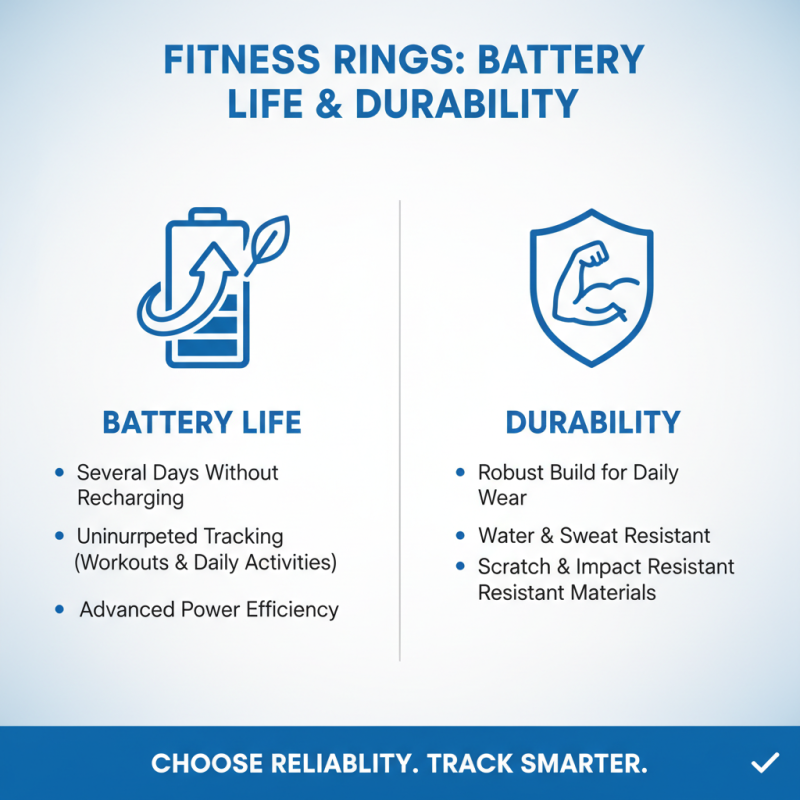
When choosing a fitness ring tracker, battery life and durability are crucial factors. Many users prioritize a device that lasts several days without frequent recharging. A solid battery ensures uninterrupted tracking during workouts and daily activities. Some fitness rings offer advanced battery technology, allowing for efficient power consumption. This makes them suitable for both casual and serious fitness enthusiasts.
Durability is equally important. Fitness rings should withstand various conditions, especially during intense workouts. Look for materials that are both lightweight and resilient. Many rings are designed to resist scratches, water, and dust. This level of durability is essential, as it increases the device's overall lifespan. Users often overlook the potential for wear and tear when purchasing a new tracker.
It's also worth reflecting on how often one uses a device. Some users may neglect their rings after a few weeks. This inconsistency can lead to wasted opportunities for tracking progress. A reliable fitness ring can motivate users to stay committed, but it must also meet their lifestyle needs. Finding the right balance of battery life and durability can enhance the overall experience and encourage long-term use.
Customization and Personalization Options in Fitness Trackers
Customization and personalization are essential features in modern fitness trackers. They allow users to tailor their experience according to personal preferences and fitness goals. The Finger Ring Fitness Tracker stands out in this regard. It offers a variety of customizable settings. Users can adjust their activity goals, select preferred workout types, and set reminders that suit their daily routines.
Many trackers now include options for personalized watch faces and themes. This makes tracking your progress not only functional but also stylish. Choosing colors and designs that resonate with you can enhance motivation. This can lead to better adherence to fitness regimes.
Tips: Consider setting achievable goals. Personalize your tracker to reflect your unique style. Regularly revisit your settings to ensure they align with any changes in your fitness journey.
Remember, customization is not just about aesthetics. It influences how you engage with your tracker daily. Adjusting settings can make a significant difference in user experience. Testing different features encourages exploration of all functionalities available. The goal is to find what resonates best with your lifestyle and fitness ambitions.
Conclusion
Fitness Ring Trackers have emerged as essential devices for those aiming to monitor their health and fitness levels effectively. These innovative wearables boast key features such as advanced physical activity tracking, allowing users to gain insights into their daily movements. They also incorporate heart rate monitoring, which plays a crucial role in understanding cardiovascular fitness and optimizing workouts.
Additionally, sleep tracking capabilities help users analyze their sleep patterns and improve rest quality. Many Fitness Ring Trackers integrate seamlessly with smartphone apps and ecosystems, fostering a holistic approach to health management. With considerations for battery life and durability, these devices are designed for everyday use. Moreover, customization and personalization options allow users to tailor their experience, making Fitness Ring Trackers not just functional, but also suited to individual preferences and lifestyles.