In today’s world where everyone’s obsessed with health, keeping track of your progress is pretty much essential if you want to hit your fitness goals. Honestly, a lot of folks agree that a Fitness Ring Tracker can really change how you approach your health. Dr. Jane Smith, who’s pretty well-known in the fitness tech scene, even says, "Data-driven insights are the secret sauce for understanding what your body truly needs." It’s a good reminder of how these gadgets can give you some seriously valuable feedback.
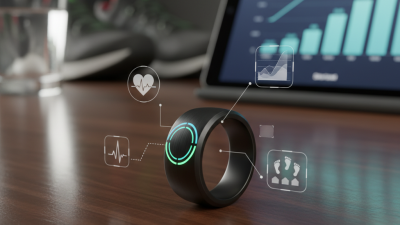
A Fitness Ring Tracker isn’t just about counting steps — it also keeps tabs on your heart rate and sleep patterns. Basically, it gives you a well-rounded view of your overall health, which is super helpful. That said, there are some hiccups. Not everyone’s able or willing to really dig into the data and use it to make changes. Sometimes people wear these trackers but ignore what the device is telling them.
And yeah, while these devices have a lot going for them, their accuracy isn’t perfect. It’s important to take the numbers with a grain of salt and ask yourself if you’re really acting on the insights they give. Trusting the device is great, but staying critical is key. At the end of the day, how much you use and believe in your tracker can make all the difference. Moving away from old-school methods and jumping into digital tracking is a big step, and it’s worth thinking carefully about how it fits into your personal health journey.
Key Features of Fitness Ring Trackers Enhancing Health Goals
Fitness ring trackers have become essential tools for individuals aiming to achieve their health goals. These devices often boast features that accurately monitor various metrics, such as heart rate and sleep quality. Users can gain insights that were once only available through professional health assessments. Many individuals appreciate how these trackers help them stay accountable, reminding them to move throughout the day.
Moreover, the ability to track daily activity levels is crucial. Knowing just how many steps you've taken can motivate you to reach those daily targets. Some trackers even provide personalized health recommendations, which can help adjust your routines effectively. However, it’s worth noting that not all features may work perfectly for everyone. Some users may find that the data isn’t always as accurate as they hoped. This discrepancy can sometimes lead to frustration or misinterpretation of their health progress.
Incorporating these devices into your routine does have its challenges. While fitness rings can enhance motivation, they can also create pressure. The desire to meet specific metrics might overshadow genuine enjoyment in physical activity. Reflecting on these aspects is crucial to maintain a balanced approach to health and fitness.
Improving Physical Activity Monitoring with Fitness Ring Trackers
Fitness ring trackers are transforming how we monitor our physical activity.
These small, lightweight devices can seamlessly integrate into daily life. They track heart rate, steps, and sleep patterns, providing insights into our health.
Using a fitness ring tracker can enhance awareness. It encourages users to set realistic health goals.
With notifications, users receive reminders to move more and stay active. This accountability can be a powerful motivator.
However, it's important to remember not to fixate solely on numbers. Sometimes, the data can be misleading or overwhelming.
Embracing the use of fitness ring trackers requires a balance. Focus on the qualitative aspects, like how you feel, rather than just metrics.
Reflect on your progress regularly. Over time, these small adjustments can lead to significant improvements in overall health.
Tracking Heart Rate and Sleep Patterns for Better Health Insights
Utilizing a Fitness Tracker Ring can significantly enhance your health insights, focusing specifically on heart rate and sleep patterns. According to a recent study published in the Journal of Medical Internet Research, tracking heart rate variability can provide deeper insights into your stress levels. Healthy adults should aim for a resting heart rate between 60-100 beats per minute. Consistent tracking allows individuals to recognize patterns and adjust their routines accordingly, improving overall well-being.
Sleep quality is another critical aspect of health that a fitness tracker ring can monitor effectively. The National Sleep Foundation indicates that adults need 7-9 hours of sleep per night for optimal health. Many users may be surprised to discover discrepancies between their perceived sleep quality and actual data. For example, a recent survey found that 35% of participants underestimated their nocturnal wake times. This discrepancy highlights the importance of tracking sleep patterns, prompting better practices for rest and recovery.
Yet, it’s easy to overlook some limitations. Not every fitness tracker ring may provide complete accuracy, especially when monitoring sleep disturbances. Users should continuously evaluate their data and consider factors like lifestyle changes or unusual stressors. Engaging with this information critically can guide effective health decisions, ensuring that the journey toward personal health goals is both informed and mindful.
Setting and Achieving Personalized Fitness Goals with Ring Trackers
Fitness trackers have transformed how we set and achieve our health goals. With tools like the Nova Fitness Tracker Ring, individuals can monitor various aspects of their daily lives. These devices help you track your steps, monitor sleep quality, and measure heart rate. It's motivating to see numbers reflecting your efforts daily. Visual progress can push you to reach further.
Personalized fitness goals are more attainable with accurate data. You can adjust your targets based on daily feedback. For instance, if you consistently meet your step count, you might increase it. However, it can be challenging to stay committed to these targets. Sometimes, the data can feel overwhelming or discouraging. Reflecting on your daily activity can lead to valuable insights. It's okay to revisit your goals. You might find your path needs adjustment.
The accountability aspect is crucial. Knowing that you have a tool tracking your progress can keep you motivated. Sharing your achievements with friends or family fosters a supportive environment. If you see fluctuations in your activity, it may be time to reassess your approach. Balancing personal goals with realistic expectations is key. Overall, tools like the Nova Fitness Tracker Ring can guide you on your health journey, but they require sincerity in your commitment to see true benefits.
Top Fitness Ring Tracker Benefits for Your Health Goals
| Feature |
Benefit |
Impact on Health Goals |
| 24/7 Heart Rate Monitoring |
Provides real-time data to help optimize workouts |
Improves cardiovascular health |
| Sleep Tracking |
Analyzes sleep patterns and quality |
Enhances recovery and overall well-being |
| Activity Tracking |
Monitors daily steps, calories burned, and active time |
Aids in weight management |
| Personalized Goals |
Allows users to set specific, achievable fitness targets |
Increases motivation and adherence to fitness plans |
| Guided Workouts |
Offers tailored workout suggestions based on user data |
Enhances effectiveness of training sessions |
| Community and Competition |
Connects users with friends and challenges |
Boosts engagement and accountability |
Boosting Motivation and Accountability through Fitness Ring Tracking
Fitness ring trackers offer a unique way to boost motivation and accountability in achieving health goals. Research indicates that wearables can enhance physical activity by 30%. These devices provide real-time feedback on daily activities, which can keep users engaged in their fitness journey.
Tracking health metrics is more than just about numbers. It is about creating a relationship with your own body. A study published in the Journal of Medical Internet Research revealed that 63% of individuals who used fitness trackers reported increased motivation. These devices encourage users to set achievable goals and celebrate small wins, which can lead to a more sustained commitment to fitness.
Moreover, accountability plays a crucial role in forming lasting habits. When users share their progress with a community or in social settings, it creates a support system. Approximately 70% of users who shared their health data with friends felt more committed to their goals. However, one must also reflect on the potential obsession with data. Constantly monitoring every calorie or step can lead to stress for some individuals.
Balancing tracking with mindful practices is essential for overall well-being.
Data Integration: Connecting Fitness Rings with Health Apps and Devices
Integrating data from a Smart Ring Fitness Tracker with health apps and devices can significantly enhance your wellness journey.
These trackers monitor various health metrics, offering detailed insights into your daily activities. When synced with health apps, they help create a comprehensive view of your fitness and wellness.
For example, a fitness ring can collect data about your heart rate and sleep patterns. This information, when shared with nutrition apps, offers a clearer picture of how workouts impact your diet.
However, not all integrations work seamlessly. Sometimes, syncing issues or data discrepancies occur. It’s vital to regularly check app settings to ensure accurate data collection.
User experience often varies. Some users find the data overwhelming or confusing. Others struggle to interpret their metrics effectively. It can be a journey of trial and error to determine which apps best complement the Smart Ring Fitness Tracker.
Pairing the right tools can lead to improved health results over time, but the process may require adjustments and patience.
Evaluating the Cost-effectiveness of Fitness Ring Trackers for Health Improvements
Fitness ring trackers have become popular tools for people looking to improve their health. They provide detailed insights into various metrics, such as heart rate, sleep patterns, and activity levels. However, their cost-effectiveness can vary significantly. Many fitness enthusiasts may question if the investment in a Finger Ring Fitness Tracker truly pays off.
A quality fitness ring can enhance motivation by tracking daily progress. Users can see real-time data and set achievable goals. This immediate feedback fosters accountability. Nonetheless, it's essential to consider the potential downsides. Some trackers may not deliver accurate readings. Users might find themselves frustrated if their expectations are not met.
While there are clear benefits, some users report feeling overwhelmed. The constant stream of data can lead to anxiety rather than health improvements. It's beneficial to review personal goals before purchasing a tracker. Balancing the need for accurate metrics with mental wellbeing is crucial. Ultimately, the decision to invest in a Finger Ring Fitness Tracker should align with individual health ambitions and preferences.
Exploring the Evolving Market of Smart Fitness Devices: Insights from 2023 on Custom Pressure Monitor Health Trackers for Men
The market for smart fitness devices has seen significant growth in recent years, particularly with the rise of custom health trackers designed specifically for men. According to recent reports, the global health and wellness technology market is projected to reach $200 billion by 2025, with a considerable portion attributed to wearable technology like smart rings that offer advanced health monitoring features. These devices, equipped with sensors to track metrics such as heart rate, blood oxygen levels, and sleep quality, are redefining personal health management.
Among the standout products in this category are intelligent smart rings, which combine sleek design with functionality. These devices have become popular due to their ability to monitor steps taken, calories burned, and sleep patterns—all critical data for health-conscious individuals. Recent statistics suggest that users of such wearables can improve their fitness routines by focusing on personalized health data—an insight derived from comprehensive health monitoring. Furthermore, features like 5ATM waterproof ratings ensure that these devices can withstand various activities without compromising their technology.
Moreover, the multifunctional aspect of smart rings is revolutionizing health tracking. Models are now available that not only track physical activities but also provide lifestyle prompts, like reminders for hydration or sleep cycles. This integration of health management with daily routines is supported by studies showing that wearable technology can lead to a 30% improvement in wellness in active users. As the market continues to evolve, we can expect even more innovative features aimed at enhancing men’s health and fitness tracking capabilities.
FAQS
: Fitness ring trackers help monitor health metrics like heart rate and sleep quality.
Yes, they remind users to move and track daily activity levels, enhancing motivation.
Not necessarily. Some users find discrepancies in data, leading to frustration.
It provides insights into stress levels and helps recognize patterns for better health choices.
It reveals discrepancies between perceived and actual sleep quality, guiding better rest practices.
Yes, the need to meet metrics can overshadow the enjoyment of physical activity.
Review personal health goals and balance the need for accurate data with mental wellbeing.
Adults need 7-9 hours of sleep per night for optimal health.
A constant stream of data can lead to anxiety instead of improvements in health.
Evaluate their lifestyle changes or stressors that might influence accuracy.
Conclusion
Fitness Ring Trackers have emerged as essential tools for individuals aiming to meet their health goals. These devices offer key features such as comprehensive physical activity monitoring, enabling users to track their steps, workouts, and overall movement levels. Additionally, they provide valuable insights into heart rate and sleep patterns, which are crucial for understanding one's health status and making informed decisions about lifestyle changes.
By allowing users to set and achieve personalized fitness goals, Fitness Ring Trackers enhance motivation and accountability. Integration with health apps and other devices further streamlines data management, empowering users to make better health choices. Furthermore, the cost-effectiveness of these trackers can lead to significant improvements in health, making them a worthwhile investment for anyone looking to enhance their wellness journey.