You know, in this rapidly evolving world of health tech, the 'Smart Ring For Sleep Tracker' has really become a game-changer. I mean, Dr. Emily Chen, who's pretty much an expert in wearable gadgets, says that tracking your sleep can totally change the way you rest at night. Honestly, this kind of tech gives you insights that traditional methods just can't offer. But, real talk—getting the most out of a smart ring means you’ve gotta know a thing or two and be willing to tweak things as you go.
First off, make sure the ring fits snug but comfy before you start wearing it. If it’s too loose or tight, your sleep data might be way off. And yeah, some people say it feels kinda weird at first—like an awkward new addition to your night routine. Just give yourself some time to get used to it. Also, don’t forget to check the app and make any necessary adjustments for better accuracy. Keep in mind, it’s not foolproof—sleep environments and other stuff can mess with the readings.
Trying out features like sleep reminders can actually make a difference, so don't hesitate to give that a shot. A little tip—wearing the ring on your non-dominant hand might give you better results. People have had mixed experiences—some swear by it, while others feel they need to experiment a bit more. Ultimately, the real challenge is taking those insights and actually making changes in your daily routine. Think about that next time you use your Smart Ring For Sleep Tracker.
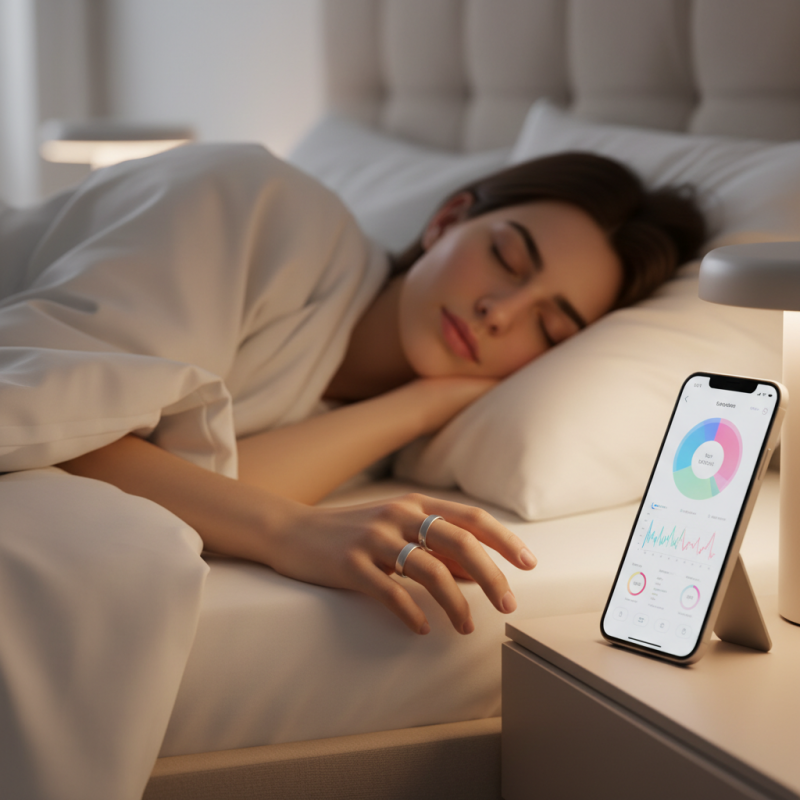
Understanding the Basics of Smart Rings and Sleep Tracking
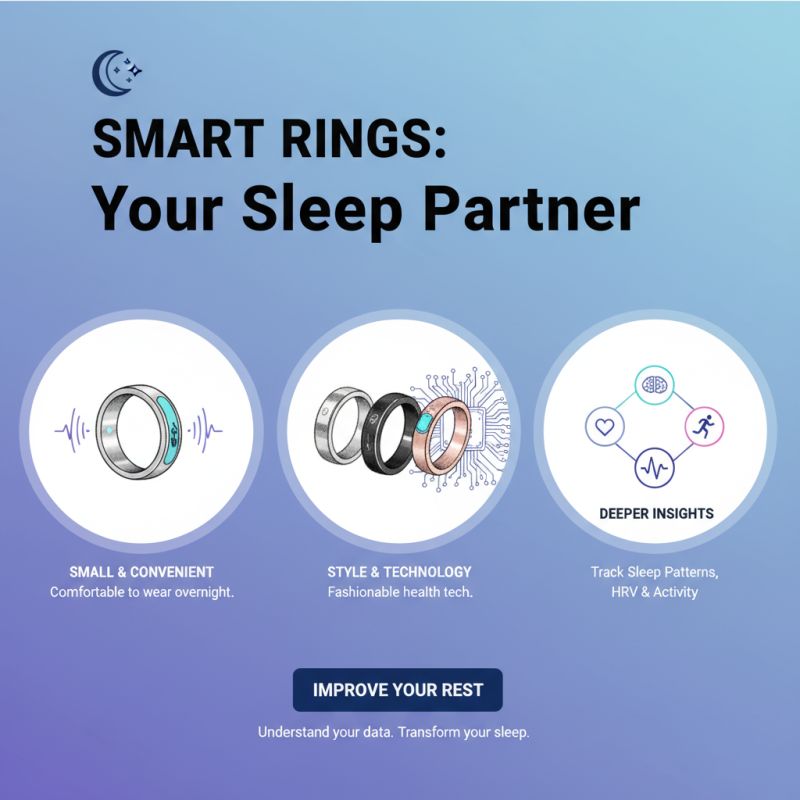
Smart rings are becoming popular for sleep tracking. They are small, convenient, and stylish. These devices are worn on your finger, making them easy to use overnight. Tracking sleep patterns can help improve your rest quality. Smart rings collect data on sleep stages, heart rate, and movement. Understanding this data is essential to make meaningful changes.
When using a smart ring, ensure it fits comfortably. A snug fit ensures accurate readings. Adjust your sleeping environment. A dark, quiet room can enhance tracking accuracy. Keep a consistent sleep schedule. This habit helps the ring collect better data. Review the insights provided by the ring each morning. Reflect on your sleep quality and duration.
However, not all data may be perfect. Some users report inaccuracies. Sometimes, the ring may lose connection or fail to track movements. Be prepared for these discrepancies. It's important to not rely solely on technology. Personal feelings and experiences matter too. Evaluating both the device data and personal alertness can provide a complete picture.
Key Features of Smart Rings for Effective Sleep Monitoring
Smart rings have become popular tools for monitoring sleep. Their compact design makes them easy to wear overnight. Many features allow these devices to collect valuable data about your sleep patterns.
One key feature is heart rate variability. Tracking your heart rate during sleep can reveal insights into your stress levels. Additionally, motion sensors monitor your movements. This information helps identify sleep cycles, from light sleep to deep sleep. Some rings even track blood oxygen levels, giving you a more comprehensive picture of your health.
To use a smart ring sleep tracker effectively, focus on finding one that syncs with your devices. Compatibility with mobile platforms, like iOS, is crucial. If you are not familiar with technology, it can be challenging. Initial setup may require patience. You might discover inconsistent readings at first. This can be frustrating, yet it’s important to give yourself time to adjust. Regular use helps improve accuracy. Over time, the data will provide a clearer understanding of your sleep quality and patterns.
Sleep Quality Analysis Using Smart Rings
This chart shows the average sleep quality measured in hours over a week by a smart ring. The data reflects hours of deep sleep, light sleep, and REM sleep.
Setting Up Your Smart Ring for Sleep Tracking: A Step-by-Step Guide
Setting up your smart ring for sleep tracking is essential for maximizing its potential. Start by ensuring the ring fits snugly on your finger. A proper fit enables accurate readings of your heart rate and sleep patterns. Research shows that up to 80% of wearables report data inaccuracies when not fitted correctly.
Next, download the accompanying app and connect the ring via Bluetooth. Update the app to access the latest features. Many users overlook app updates, which can lead to missing functionalities and data errors. After pairing, set your sleep goals within the app. This step helps tailor insights according to your sleep preferences and duration. According to a recent survey, users who personalize settings see improvements in sleep quality by nearly 30%.
To enhance sleep tracking, establish a consistent bedtime routine. Data indicates that irregular sleep schedules can reduce the effectiveness of sleep trackers. Aim for a regular sleep window to allow the smart ring to capture reliable data. Pay attention to the sleep stages the device tracks. This feedback can guide adjustments to your routine, identifying patterns that may need addressing. Engaging with this feedback is crucial for achieving deeper, restorative sleep.
How to Use a Smart Ring for Sleep Tracker Effectively?
| Feature |
Description |
Benefits |
How to Use |
| Heart Rate Monitoring |
Tracks your heart rate during sleep. |
Helps assess stress levels and overall health. |
Wear the ring throughout the night for accurate data. |
| Sleep Stages Tracking |
Monitors light, deep, and REM sleep stages. |
Provides insights into sleep quality. |
Sync your ring with the companion app after waking up. |
| Sleep Duration |
Tracks the total amount of sleep each night. |
Aids in establishing consistent sleep patterns. |
Review nightly reports in the app to assess duration. |
| Wake-Up Alerts |
Gentle vibrations to wake you up at the optimal time. |
Promotes waking up feeling refreshed. |
Set your desired wake-up time in the app. |
| Data Syncing |
Automatically syncs data to your smartphone. |
Keeps track of long-term sleep trends. |
Ensure Bluetooth is enabled for seamless syncing. |
Interpreting Sleep Data Collected by Your Smart Ring
Understanding the data from a Smart Ring For Sleep Tracker is crucial for improving your rest. Many sleep reports indicate that quality sleep is not just about hours in bed. In fact, around 30% of adults report poor sleep quality. A Smart Ring provides insights into various sleep stages, heart rate, and even movement.
For instance, REM sleep is vital for cognitive function. A study shows that adults need 90 minutes to 2 hours of REM sleep per night. If your Smart Ring data suggest you are receiving less, it's time to rethink your bedtime routine. Perhaps your sleep environment needs better temperature control or less noise.
Interpreting your sleep data can also reveal patterns over time. If the data shows restless nights coincide with stress indicators like elevated heart rates, consider stress-relief techniques. Journal your thoughts or meditate before bed. A Smart Ring for Sleep Tracker can help monitor if these changes enhance your sleep. Remember, no two individuals respond the same way to sleep hygiene adjustments. Reflecting on your unique data can lead to personal insights.
Optimizing Sleep Environment with Smart Ring Insights
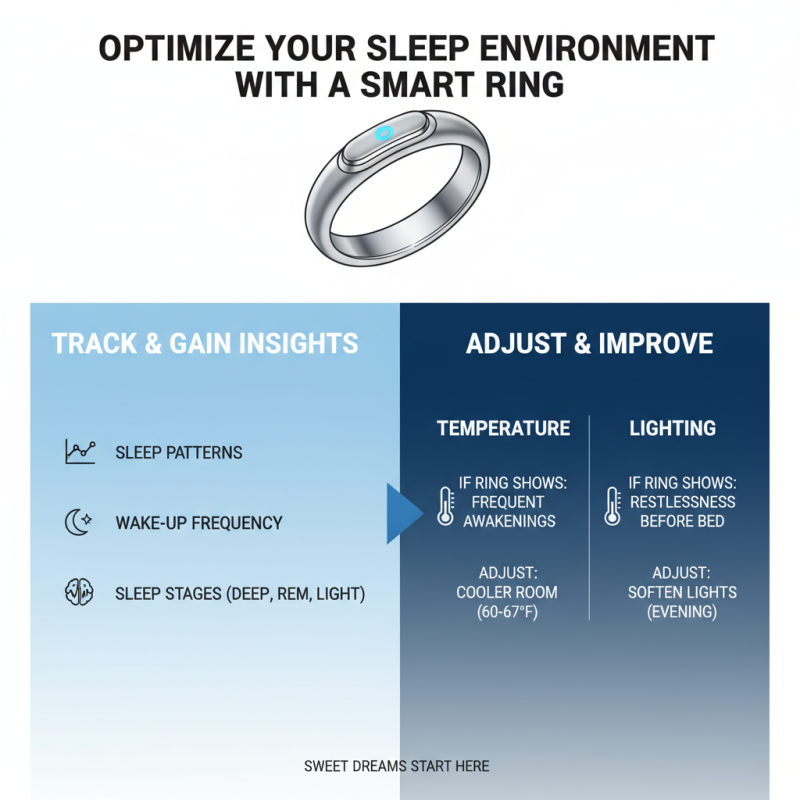
A smart ring can be a powerful tool for optimizing your sleep environment. By tracking your sleep patterns, it provides insights that can help you create the perfect setting. For example, if the ring indicates that you wake up frequently during the night, consider adjusting your bedroom temperature. A cooler room often promotes better sleep. Softening the lighting as night approaches may also help signal your body that it’s time to wind down.
Another aspect to consider is noise levels. If your smart ring shows that you sleep lightly, that may be a cue to reduce background noise. Perhaps white noise or calming sounds could enhance your slumber. On the other hand, not all disturbances are external. Stress or anxiety can also disrupt sleep. Reflecting on your pre-sleep routine can help improve sleep quality. Experimenting with calming activities before bed might yield better rest over time.
Don’t forget about the impact of technology in your bedroom. Sometimes, devices can interfere with sleep quality. Try disconnecting from screens an hour before bed. The "China Smart Ring For Sleep Tracker" can monitor how these changes affect your rest. Adjusting your habits based on its insights might lead to improvements. Be open to trial and error, as everyone’s sleep needs are different. Finding your ideal environment may take time and reflection.
Common Issues and Troubleshooting for Sleep Tracking with Smart Rings
Using a smart ring to track sleep can be beneficial, but common issues can hinder your experience. Users often face connectivity problems, such as difficulty syncing with their devices. This can interrupt sleep data collection. Ensuring your smart ring is charged and within Bluetooth range can solve this. If it repeatedly disconnects, consider restarting both devices.
Data accuracy is another concern. Many users find discrepancies in sleep duration or quality. It’s crucial to wear the ring consistently. Some individuals might not wear it tightly enough. Test different fitting techniques to improve tracking quality. Additionally, environmental factors like noise or light may affect your sleep, leading to misleading data.
Lastly, software glitches can impact your tracking experience. App updates are necessary to maintain performance. Sometimes, users overlook this detail. Regular updates often fix bugs and enhance features. Reflect on your usage habits. If the smart ring does not meet expectations, exploring the Best Smart Ring For Sleep Tracker options could provide better results.
Enhancing Sleep Quality: Tips Based on Smart Ring Data
Smart rings have become a popular tool for tracking sleep patterns. Research indicates that approximately 50-70 million adults in the U.S. experience sleep disorders. This technology can provide valuable insights into your sleep quality. By monitoring heart rate, movement, and sleep phases, smart rings can help identify patterns that might affect your rest.
Utilizing the data from your smart ring effectively is crucial. Aim to establish a consistent bedtime routine. This can improve sleep latency and overall quality. Studies suggest that a stable sleep schedule can enhance deep sleep by 10-20%. Track your sleep trends over time. If you notice excessive restlessness or disrupted sleep cycles, it may be time to reassess your environment. Factors like room temperature, light exposure, and sound can all play a role.
However, it’s not all perfect. Some users find the data overwhelming. Missing trends might lead to unnecessary anxiety. Also, not every night will reflect the same quality. It’s essential to remain reflective about these fluctuations. Quality sleep is about understanding your body’s needs. Sometimes, less is more. Focus on adjusting habits instead of obsessing over every data point. Make the data work for you, not the other way around.
Comprehensive Guide to the Smart Ring Protector Sleeve: Features, Benefits, and Usage Tips
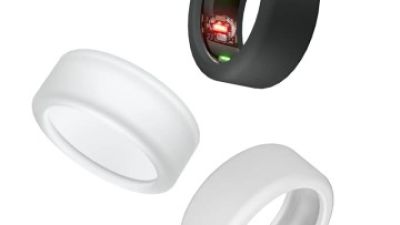
The Smart Ring Protector Sleeve is an essential accessory for individuals who actively use smart rings, enhancing both durability and functionality. Made from high-quality silicone rubber, these protective cases are specifically designed to safeguard smart rings from water damage and accidental drops. With the increasing integration of technology in everyday health monitoring, a report by Statista indicates that the wearable medical device market is projected to reach over $60 billion by 2023, highlighting the growing significance of such products in consumer health.
One of the standout features of the Smart Ring Protector Sleeve is its elastic design, ensuring a snug fit that allows users to engage in various activities without the worry of damaging their devices. The lightweight (only 9g) and waterproof characteristics make it suitable for workouts, outdoor adventures, or even everyday wear. As reported by the Consumer Electronics Association, wearables that prioritize user comfort, protection, and style experience higher consumer satisfaction, which translates to increased brand loyalty in a competitive market.
In terms of application, the Smart Ring Protector Sleeve serves not only to protect but also enhances the usability of smart rings by providing an added layer of resilience. The emphasis on quality and reliable performance is evident, with all products adhering to rigorous industry standards like RoHS, CE, and FCC approvals. As the health technology sector evolves, having robust accessories can significantly impact user experience and longevity of devices, making the Smart Ring Protector Sleeve an invaluable asset for both dedicated fitness enthusiasts and casual users alike.
FAQS
: Regular exercise improves physical health. It boosts energy levels and promotes a better mood. Exercise helps manage weight effectively.
Begin with short sessions, like 10-15 minutes. Choose activities you enjoy. Gradually increase duration and intensity over time.
Many beginners push too hard at the start. This can lead to injury or burnout. It's wise to listen to your body.
Aim for at least 150 minutes of moderate activity weekly. This can be split into shorter sessions across several days.
Yes, physical activity releases endorphins. These chemicals can enhance mood and reduce anxiety. Consistency is key for lasting effects.
Wear comfortable clothes that allow movement. Footwear should provide good support. Consider moisture-wicking fabrics for breathability.
Yes, everyone has off days. Listen to your body and allow yourself rest when needed. Reflections can lead to better planning.
It varies by individual and goals. Generally, visible changes can appear in 4-6 weeks. Everyone's journey is unique.
Find small windows for movement. Take walks, use the stairs, or do quick routines. Every bit counts in building a habit.
Staying hydrated is crucial for performance and recovery. Drink water before, during, and after exercise. Don't ignore thirst signals.
Conclusion
A Smart Ring for Sleep Tracker offers a convenient and innovative way to monitor and enhance sleep quality. Understanding the basics of how these devices function alongside sleep tracking is crucial for optimal use. Key features such as heart rate monitoring, sleep stage analysis, and personalized insights play a significant role in effective sleep monitoring.
Setting up your Smart Ring for sleep tracking involves a straightforward step-by-step guide, allowing users to easily collect and interpret their sleep data. By leveraging insights gained from the Smart Ring, individuals can optimize their sleep environment and address common issues that may arise during tracking. Ultimately, utilizing data obtained from the Smart Ring facilitates informed decisions on enhancing sleep quality and overall well-being.