Leave Your Message
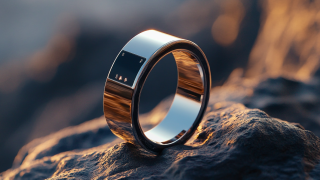
The Heart Rate Monitor Ring is an innovative consumer health technology in great demand at this time. A recent report from Grand View Research reveals that the global heart rate monitor market will be worth USD 1.5 billion by 2027, with a CAGR of 12.1%. The booming demand here is attributed to the growing health-consciousness of consumers and a developing wearable technology. With the industry flourishing, companies such as Jiangxi Xiaozhi Health Technology Co., Ltd. will be in a good position to capitalize on this trend to provide state-of-the-art solutions to enhance user experience and encourage healthier lifestyles.
But marketing and launching a product is just only part of the challenge; another paramount aspect consists of retaining customer satisfaction through considerable after-sales support and maintenance. Studies show nearly 70% of customers consider the ongoing support of a product a critical element in their buying decisions. For the Heart Rate Monitor Ring, setting the standard for customer service will create savings on support and maintenance expenditures while establishing brand loyalty. These investments not only cover user needs for an efficient support service but also create brand reputation for Jiangxi Xiaozhi Health Technology Co., Ltd., a company competing in the consumer electronics field.

After-sales service is an essential aspect of consumer electronics, especially for cutting-edge types of products like heart rate monitor rings. As technology changes, customer expectations also evolve on how corresponding service and support should be. These instruments are not only about delivering high-end features in performance but are also used by consumers on an average high-quality responsive and consistent after-sales service for customers to resolve issues, manage their functional understanding, and improve overall use. These sorts of companies are said to ebb tie in what more improved relationship in turn boosts better customer loyalty and repeat sales. The after-sales service extended also goes beyond troubleshooting. It includes maintenance, upgrades, and considerations of the user views. Hence, a broad-spectrum support offering gives customers the notion that they are valued in substances and understanding and impacts directly on the company's reputation. Effective maintenance cost management and splendid maintenance support can really take heart rate monitor ring manufacturers on the pinnacle of customer satisfaction. Whenever a user hears that assistance, either call-in customer service lines or simply customer service resources available online, can be relied upon, that user gets a good psychological nudge in the direction of believing that the user can purchase the product with lesser chances of returning it someday and creates an advocate for the brand. Some benefits accrue to the consumers beyond purchase, such as research tools for companies from which they can extract insights to be used when creating new generations of products or advancing services offered. If a customer's concerns are addressed promptly and improvements continually made, the signal is sent to the customer that he company will care for its customers beyond the sales points. In an ever more crowded marketplace, exceptional support after sales may well be worth the difference between products of competing brands for the consumer.

Outlay associated with heart rate monitor ring maintenance is often an ignored dimension of consumer satisfaction. The latest findings from the market level assert that the global wearables market growth index, especially in the health and fitness segment, stands at more than 20% each year, pointing toward increased investment in smart health technologies. However, after-sales support and maintenance cost must be understood by consumers to derive the full benefits from such devices.
Normally, the heart rate monitor ring maintenance costs vary greatly and are dependent on several factors, such as brand equity, duration of the product, and warranty period. Reports suggest an annual cost expectation between 10% and 15% of the initial purchase price of the device for maintenance and support services on behalf of the consumers. This includes potential repairs, software updates, and the cost of spare parts that ultimately affect user satisfaction and brand loyalty.
The nature of the industry forces companies to improve their after-sales support if they want to sustain customers in a competitive environment. Brands that provide extensive maintenance packages and responsive customer support can cultivate better customer loyalty. New technologies, especially IoT-enabled technologies, are seen as potential solutions for increasing service efficiency and reducing long-term operational costs, thus helping heart rate monitor ring customers receive instant support.

In the moving fast to new dimensions, customer satisfaction becomes the most important criteria for measuring the success of the products such as heart rate monitor rings. The customer satisfaction standards to meet include not only the sophistication of features but also a strong structure for after-sales support and maintenance mechanisms. When people buy a heart rate monitor ring, it means that they require a beautiful, elegant-looking piece with effective tracking capabilities as well as the assurance that should things go wrong, they can just raise a query and it will be considered.
The right form of after-sales support serves to facilitate customer experience enhancement. There should be live chat supports, vast online information libraries, and fast email correspondence as features of more simplified customer service structures. The issue should be resolved quickly, but give more ideas about how to derive maximum use out of the device. Further, a hassle-free return or exchange process reinforces confidence within consumers about being honored and appreciated.
Maintenance costs are considered another important dimension affecting satisfaction for customers. Clear stating of the costs connected with the maintenance services would avoid very nasty surprises while creating goodwill. Transparent information by brands on product life, warranty coverage, and maintenance costs attached would be appreciated and accepted by consumers. This would educate users about these dimensions, thus allowing manufacturers to build a trustful customer base who believes they are well informed and secured in their purchases, hence profitability in terms of increased satisfaction and attachments in the competitive wearable technology market.

Understanding consumer views is one of the basics on how to boost the product, such as in the case of these heart rate-monitoring rings, in a rapidly changing techno-age synonymous with fitness. The device, with its very beautiful designs and advanced tracking capabilities, captures huge attention but never promises success if it does not work wonders for the company or pays heed to customer insight. This case study evaluates perceptions and experiences shared by users, as they are meant to improve after-sales support as well as maintenance strategies.
Analyzing customer complaints pays off with a thread that discloses numerous common aspects requiring attention-improvement. One of these categories is usually: "It is too appealing; comfort when worn too long; and user interface with the app." Paying attention to them would really work wonders in improving customer satisfaction. By simply going out to users after purchase, either through surveys or just informal feedback forums, companies would have generally circumvented these issues while building communities that feel valued and heard.
After-sales support does make a difference in encouraging long-term customer retention. Making maintenance processes easy and offering really easy access to customer service thus increases the value of the customer service. Listening to the customer voice and converting it into actionable insights will expand the horizon of heart rate monitor manufacturers not only in product up gradation but also into long-term relationships with customers for leading higher satisfaction and brand loyalties.
After-sales support is vital for ensuring customer satisfaction in the competitive fitness technology market; therefore, in heart monitor rings, such support must be assessed with several indicators. Customer satisfaction is primarily useful in determining user experiences after the purchase. With feedback regarding functionality, comfort, and performance systematically received, brands can target potential areas of improvement and concerns, thus promoting a good customer relationship.
Another important indicator is customer query and complaint response time. A fast response rate demonstrates that a company is invested in supporting its users; thus, response time becomes a direct influencer of customer perception. By implementing the use of chatbots and dedicated support lines, companies will be able to fast-track responses to customer queries, increasing the likelihood that customers feel heard and valued. Also important, perhaps even more so than response time, is resolution rate; it assesses the percentage of issues resolved on the first point of contact and serves to gauge the support team's efficiency while also being indicative of product reliability.
Also, returns can be analyzed to assess after-sales effectiveness. High return rates can indicate deficient customer education or product performance, thus requiring better instructional materials or follow-through support. By paying attention to these key metrics, dotted-line after-sales service can be enhanced, therefore maximizing customer satisfaction and loyalty toward heart monitor rings.
The expectations of customers for after-sales service have drastically changed in a competitive market structure. With the advent of smart wearable technology such as heart rate monitor rings, customers target high-quality products along with a complete suite of support and maintenance after purchase. They want aid as quickly as possible, with accessible resources and personalized dialogues reflecting their individual needs and concerns.
One of the most emerging trends in after-sales service is the shift toward proactive customer support. Organizations are increasingly applying technology to schedule or predict intervention or maintenance before the need arises and assure peace of mind to their customers. For example, data analysis and machine learning allow companies to track the performance of their heart rate monitor rings and proactively notify the users regarding potential malfunctions or required updates. This kind of engagement helps build trust and form long-lasting relationships between the brand and the consumer.
Customers expect a seamless experience that crosses communication channels. Be it live chat, social media, or dedicated customer service apps, these are the channels that ensure that anyone can conveniently and quickly get support. As far as heart rate monitor ring manufacturers are concerned, multichannel support systems focusing on resolving issues quickly have thus been in vogue. This trend enhances customer satisfaction as consumers valued and being heard through their entire product experience therefore they will be loyal to that brand.
After-sales support is vital to customer satisfaction with products like heart rate monitor rings, which are essential for fitness and health tracking. This includes a good warranty and repair service, and these two elements greatly increase customer retention efforts by providing peace of mind. Customers invest in a brand thinking of it favorably when they know that reliable after-sales support services will be available to them should the product develop defects or other issues.
There is a security net that protects these users to reassure that, "We are covering the product." A good warranty policy that covers repairs or replacements creates trust and reassures customers about the quality the brand stands by. This act of confidence from the brand goes a long way in helping convert customers from one-time buyers to noted brand advocates. On the contrary, efficient and timely repair service would have a refreshing impact turning a grievous situation into a good experience in favor of the customer brand choice.
Perceptions of value in a competition-driven marketplace transcend the point of sale. Fair after-sales support, including communication about warranties and repairs, is a way of establishing lifetime relationships between customers and brands. By providing this service, companies may maximize customer satisfaction, thus enabling users to feel appreciated throughout the course of their ownership experience.
With the fast-paced competitive game that is fitness wearables these days, the importance of after-sales service could not be emphasized enough. Forward-looking companies are realizing that customers' satisfaction is dependent on more than the purchase itself. The changes in the after-sales strategies of brands in the fitness wearables market, especially those that produce heart rate monitor rings, have been outstanding.
Inspirational success case studies from other sectors have opened the minds of these companies to develop custom approaches that delight the demand of consumers even after the sale.
An excellent case in point regarding this new trend is after-sales service itself. The mobile solutions to starting service have been launched and provide live support and maintenance, meeting the needs of today's active consumers. In addition to the service improvements acknowledged by the best consumer platforms, these show how necessary companies are to possess holistic after-sales strategies that promise a long-term relationship with customers. Indeed, this proactive nature has proven effective, as some brands have walked away with awards for outstanding service, thus portraying that after-sales then becomes a better customer experience.
We shall learn from other sectors where high standards of customer service have begun to generate greater consumer trust in the fitness wearables sector. They could even just be implemented with personalized tracking services or robust support networks, yet they usually add up to a culture of being responsive leading to these consumers returning for repeat business with very favorable word-of-mouth referral. Such competition has already made it inevitable for brands to invest heavily in comprehensive after-sales strategies. Failure to do so would simply disqualify the brand from competition in the fitness wearables market.
Maintenance costs typically range from 10% to 15% of the device's initial purchase price annually, covering repairs, software updates, and replacement parts.
After-sales support enhances customer satisfaction and loyalty, as it addresses user concerns, improves product reliability, and fosters positive customer relationships.
Key metrics include customer satisfaction surveys, response times for queries, resolution rates for issues resolved on first contact, and product return rates.
Companies are using technologies like IoT and data analysis to predict maintenance issues, proactively engage customers, and streamline their support processes for increased efficiency.
Customers now expect proactive support, seamless communication through various channels, and personalized interactions that cater to their individual needs.
High return rates may indicate deficiencies in customer education or product performance, highlighting the need for better instructional materials or follow-up support.
Rapid response times demonstrate a company's commitment to support and significantly influence customer perception and satisfaction.
Offering comprehensive maintenance packages and responsive customer service can significantly enhance customer loyalty in the competitive market of heart rate monitor rings.