Lately, fitness tech has really taken off, and it's opened up some pretty cool ways for folks to reach their health and wellness goals. One of the standout gadgets lately is the Smart Fitness Ring. It’s a user-friendly alternative to bulky trackers — sleek, stylish, and packed with features that make keeping an eye on your progress simple and kinda discreet, too. Honestly, it’s a game-changer.
This ring isn’t just counting steps or calories; it also gives you insights into your sleep habits, heart rate, and overall wellness. And the best part? It fits seamlessly into everyday life. You don’t have to deal with clunky devices — it’s small, sleek, and you barely notice it’s there. As more folks start paying attention to their holistic health, more are realizing how useful this tiny device can be in helping stay on top of things.
What I love about the Smart Fitness Ring is how it gives you real-time feedback and tailored info—so you can actually take charge of your health journey. Whether you’re a serious athlete or just someone trying to get a bit healthier, understanding what this kind of tech can do is super helpful. It can even boost your motivation and help you stay committed to your fitness goals. Overall, embracing this kind of technology might just give you that little edge to level up your health game.
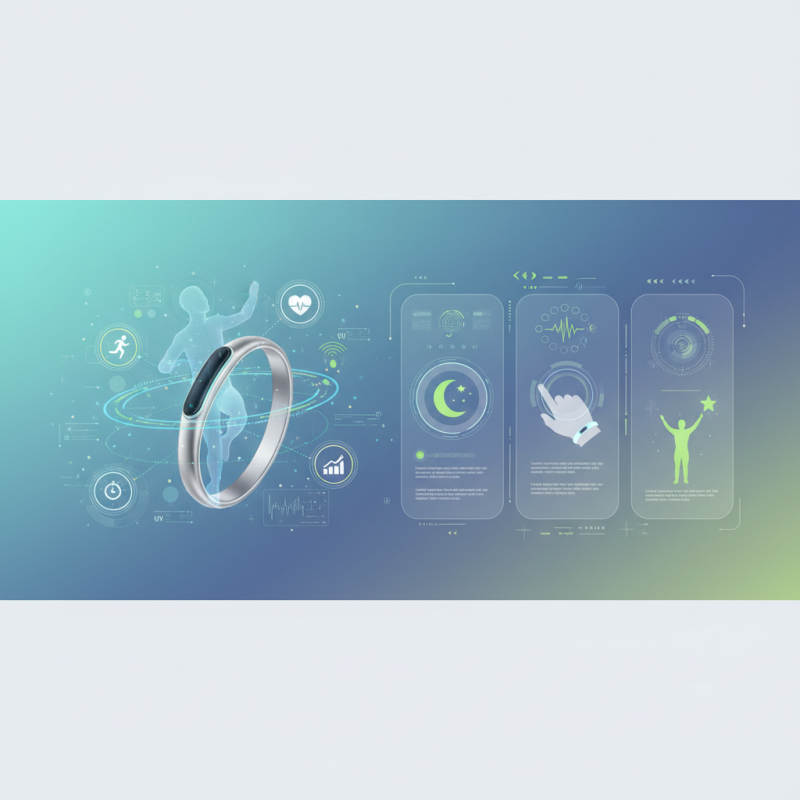
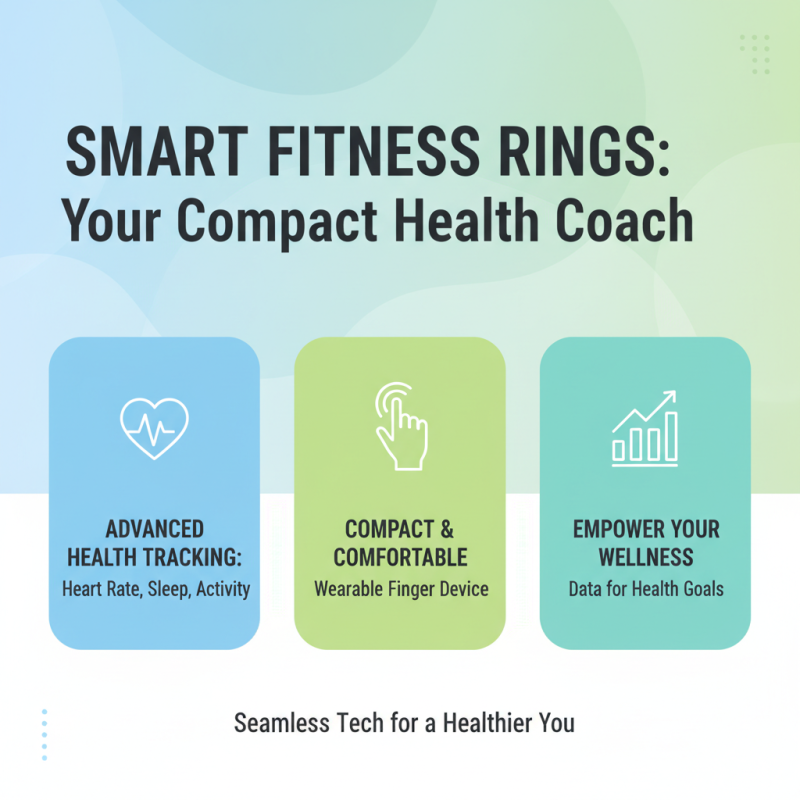
Smart fitness rings have emerged as a popular accessory among health enthusiasts and casual users alike, thanks to their compact design and advanced health tracking capabilities. These innovative devices provide users with real-time data on various metrics such as heart rate, sleep quality, activity levels, and more, all from the convenience of a wearable that fits comfortably on your finger. As awareness of health and wellness grows, more individuals are recognizing the value of integrating technology into their fitness routines. This shift has led to an increase in demand for smart fitness rings, making them an attractive option for those striving to achieve their health goals.
When considering a smart fitness ring, it’s crucial to assess your personal health objectives. Start by defining what metrics are most important for you—whether it’s monitoring your sleep patterns for improved rest or tracking daily activity for weight management. Additionally, research the battery life and syncing capabilities of the ring to ensure it aligns with your lifestyle.
Tip: Establish a routine to review the data collected by your fitness ring regularly. Use this information to make informed decisions about your workouts and overall wellness. Another tip is to engage with other users in online communities; sharing experiences can provide motivation and insights that enhance your fitness journey. Embracing a smart fitness ring not only facilitates better tracking of your health metrics but also promotes a proactive approach to achieving your fitness aspirations.
Smart fitness rings have emerged as a vital accessory for individuals striving to meet their health and fitness goals. These compact devices offer a plethora of health metrics, enabling users to monitor their well-being more effectively. According to a report from the International Health, Racquet & Sportsclub Association (IHRSA), the global fitness technology market is projected to reach $30 billion by 2026, reflecting the growing interest in innovative tools for health tracking. The ability to continuously track metrics such as heart rate, sleep patterns, and physical activity provides users with insightful data that can inform their fitness routines and overall lifestyle choices.
The key features of smart fitness rings lie in their advanced tracking capabilities. Many devices include sensors that measure heart rate variability (HRV), which can offer insights into a user's stress levels and recovery status. A study published in the Journal of Medical Internet Research indicates that monitoring HRV not only helps athletes optimize their training but also assists the general population in understanding their health better. Furthermore, smart rings often track sleep duration and quality, which are crucial for recovery and overall health. The National Sleep Foundation states that quality sleep is linked to enhanced physical performance and cognitive function, underscoring the importance of these features for users focused on comprehensive health improvement.
The rise of fitness wearables has transformed the way individuals approach their health and fitness goals. Recent studies indicate that incorporating technology into exercise routines can lead to notable improvements in participation levels and overall well-being. For instance, research published by the Journal of Medical Internet Research revealed that 80% of users reported increased motivation to engage in physical activity when using wearable devices. This underscores the impact of data-driven feedback on user behavior, as individuals can track their progress and set achievable goals based on real-time metrics.
Moreover, a report from the Global Wellness Institute suggests that wearables not only enhance motivation but also promote consistency in workout habits. The data indicates that individuals who utilized fitness trackers were 30% more likely to maintain a regular exercise routine compared to those who did not. This consistent engagement with fitness is crucial, as studies show that improving adherence to exercise regimens can lead to better health outcomes, including weight management and reduced risk of chronic diseases. As such, the integration of smart fitness rings into daily life represents a significant shift towards a more data-driven approach to personal wellness and physical fitness.
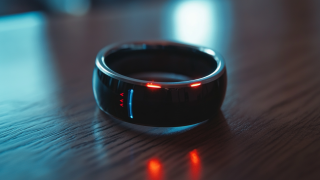
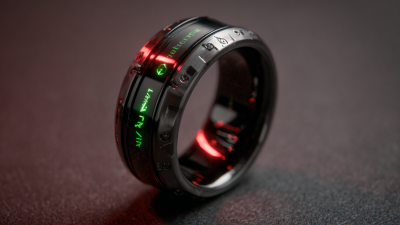
As health and fitness technology evolves, smart fitness rings have emerged as a modern alternative to traditional fitness trackers. Unlike bulky wristbands or watches, these sleek devices can be worn comfortably on the finger, making them more discreet and stylish. Their compact design does not compromise functionality; many smart fitness rings come equipped with advanced sensors to track important metrics like heart rate, sleep patterns, and activity levels. This innovative approach appeals to users looking for convenience and aesthetics without sacrificing performance.

Comparing smart fitness rings to traditional fitness trackers reveals significant advantages. Smart rings often offer superior battery life, as their smaller displays and streamlined features reduce power consumption. Moreover, they tend to be more user-friendly, with recent models featuring touchless controls and seamless syncing with mobile devices. The minimalistic design encourages more consistent use, as users may feel less burdened by having a device on their wrist throughout the day. With the capability to deliver timely insights about one’s body in a more subtle manner, smart fitness rings can motivate individuals to stay engaged with their health and fitness goals.
Smart fitness rings have garnered a growing number of users who can attest to their real-life benefits, fundamentally changing how individuals monitor their health and fitness goals. Jenny, a fitness enthusiast, shared her experience of using a smart fitness ring to track her daily activity levels, sleep patterns, and heart rate. She found that having immediate feedback helped her stay motivated and provided insights that prompted her to improve her routine. Users like Jenny have reported better sleep quality and increased awareness of their overall health, allowing them to make more informed decisions regarding their lifestyle choices.
Tips for maximizing the benefits of your smart fitness ring include setting personalized goals based on your current fitness levels and being consistent with data tracking. Make it a point to review your metrics regularly, as this can help identify patterns and highlight areas for improvement. Additionally, consider integrating your fitness ring data with other health apps you may already use; this creates a comprehensive view of your health, enabling you to tweak your habits for better outcomes.
Moreover, user experiences emphasize the importance of community. Finding support, whether through online forums or local fitness groups, can provide encouragement and accountability. Many users have reported improved motivation and adherence to their fitness plans when sharing their goals and successes with others.
The future of smart fitness technology is poised for significant evolution, driven by advancements in sensor technology, data analytics, and user-centric design. As health-conscious individuals increasingly seek personalized fitness solutions, innovations in smart fitness rings are emerging to meet diverse user needs. These devices are not only capable of tracking basic metrics like heart rate and activity levels but are also evolving to include features such as advanced sleep monitoring, respiratory rate tracking, and even stress assessment. This shift towards comprehensive health monitoring reflects a growing understanding that fitness is multidimensional, encompassing both physical activity and overall well-being.
Moreover, the integration of artificial intelligence and machine learning into smart fitness technology will enable these devices to provide more tailored health insights and recommendations. Users can expect smarter algorithms that learn from their habits and preferences, offering tailored workout suggestions and recovery protocols based on individual data. Additionally, the interoperability of smart fitness rings with other health devices and applications is on the rise, creating a seamless ecosystem for monitoring health metrics. This trend not only enhances the user experience but empowers individuals to take proactive control of their fitness journeys, making informed decisions backed by sophisticated technology.
This chart illustrates the increasing number of users of smart fitness rings from 2019 to 2023, showcasing the growth trend as more individuals pursue health and fitness goals through this innovative technology.
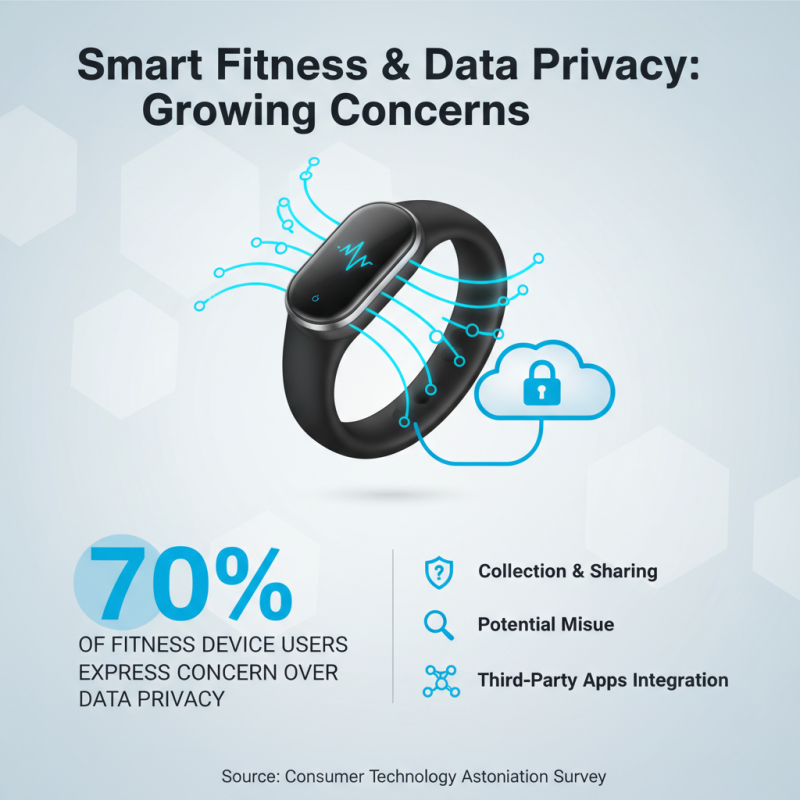
As the popularity of smart fitness rings grows, so too do concerns about privacy and data security among users of fitness tracking devices. According to a survey conducted by the Consumer Technology Association, about 70% of fitness device users express concern regarding how their personal health data is collected, shared, and utilized by companies. This hesitation can be attributed to the potential misuse of sensitive information, particularly as the integration of wearable technology and health data with third-party applications becomes more common.
The advent of stringent data protection regulations, such as the General Data Protection Regulation (GDPR) in Europe, underscores the importance of user privacy. Reports indicate that approximately 83% of consumers are more likely to purchase health-tracking devices from companies that clearly communicate how their data is protected. Many manufacturers now emphasize transparency and control over user data in their privacy policies, allowing users to make informed choices about the information they share. For potential users of smart fitness rings, understanding these privacy measures is crucial, as data protection not only enhances user trust but also encourages broader adoption of fitness tracking technology.
: Smart fitness rings are compact wearable devices that track various health metrics such as heart rate, sleep quality, and activity levels. Their growing popularity stems from their advanced health tracking capabilities and the increasing awareness of health and wellness among individuals.
When choosing a smart fitness ring, consider your personal health objectives and identify which metrics are most important to you. Also, examine the battery life and syncing capabilities to ensure they fit your lifestyle.
Smart fitness rings can track several health metrics, including heart rate, sleep duration and quality, activity levels, and heart rate variability, helping users gain insights into their health and wellness.
Establish a routine to regularly review the data collected by your fitness ring. Use this information to make informed decisions about your workouts and overall wellness to help achieve your fitness goals.
Smart fitness rings are more discreet and comfortable to wear, unlike bulkier traditional fitness trackers. They often have superior battery life and are user-friendly, featuring touchless controls and easier syncing with mobile devices.
Beyond health tracking, smart fitness rings can help motivate individuals to engage more consistently with their fitness goals while providing timely insights about their health in a subtle manner.
Smart fitness rings can be beneficial for anyone interested in monitoring their health metrics, whether for fitness or general well-being. However, it's important to assess individual health objectives before purchase.
Yes, by providing insights into health metrics like heart rate and recovery status, smart fitness rings can help users optimize their workouts and improve performance based on personalized data.
Engaging with other users in online communities can provide additional motivation and insights. Sharing experiences and tips can enhance your fitness journey and make using a smart fitness ring more enjoyable.
Smart Fitness Rings have gained significant popularity as a compact and convenient way to monitor health and fitness goals. These innovative devices are equipped with key features that allow users to track various health metrics, such as heart rate, sleep patterns, and physical activity levels. Unlike traditional fitness trackers, Smart Fitness Rings offer a sleeker design while providing accurate data that can influence exercise habits positively.
Additionally, user testimonials highlight the real-life benefits of incorporating a Smart Fitness Ring into daily routines, emphasizing improved awareness and motivation. As the technology continues to evolve, future trends may lead to even more advanced capabilities in health monitoring, while addressing privacy concerns remains a crucial aspect of fitness tracking. Overall, the Smart Fitness Ring presents an attractive option for those looking to enhance their health and fitness journey.