Leave Your Message
0%

Choosing a smart ring for Android isn’t just about comparing fancy titanium finishes or sleep scores. Honestly, the real key is whether it plays nicely with your phone. Compatibility is king here. The ring needs to connect reliably with your Android device, sync smoothly through Health Connect, and keep your data safe even if Bluetooth drops out now and then. Plus, it should fit into your daily routine—whether you're hitting the gym, relaxing at home, or just winding down for the night.

Looking at the industry trends, it’s pretty clear why this stuff matters. Grand View Research predicts that the global smart ring market could hit over USD 1 billion by 2030, mostly driven by health tracking features and contactless tech. Meanwhile, IDC reports that overall wearables are growing steadily—though smart rings are still a smaller niche compared to smartwatches. These stats show growth and potential, but they don’t guarantee top-notch quality. Sometimes, marketing can outpace solid medical proof.

Dr. Steven LeBoeuf, co-founder of Valencell, put it perfectly when he said, “Wearables are only valuable when the data they provide is accurate and can actually be used.” That’s a guiding principle here. So, in this comparison, I’ll look at sensor accuracy, how stable the Android app is, battery life, comfort, privacy options, and subscription costs. Sure, a ring that lasts a week without charging sounds great, but if you need to interrupt sleep tracking to charge it, maybe not so much. And fit matters, too—if the ring’s too loose, it might give wonky readings during exercise.

Let’s be real—no ring is perfect at everything. It really depends on what you personally care about most. I might prioritize longer battery life, while someone else might want ECG-style insights or a discreet way to get notifications. This guide tries to balance all that, looking at available reports, manufacturer details, and real-world Android experiences. That said, some of the evidence we have is still pretty limited, so it’s only fair to be honest about that.
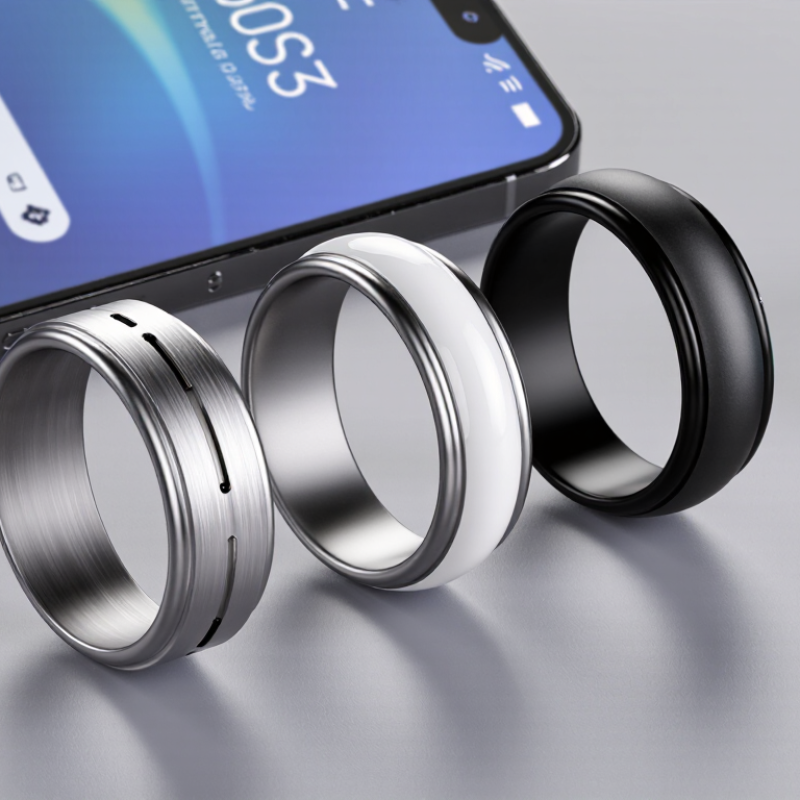
How to Choose the Best Smart Rings for Android?

Define Your Android Compatibility and Connectivity Requirements

Choosing the best smart ring for Android starts with compatibility, not appearance. Android phones vary by operating-system version, Bluetooth support, and permission settings. Before buying, check the ring’s required Android version, companion app availability, and background-sync behavior. A ring may pair successfully, yet fail to deliver sleep or heart-rate data when battery restrictions pause its app.

Connectivity deserves equal attention. Bluetooth Low Energy should support stable pairing, automatic reconnection, and encrypted data transfer. The Bluetooth SIG’s 2024 Market Update forecasts 5.4 billion Bluetooth device shipments annually by 2028, reflecting how central wireless connectivity has become. Still, more devices can mean more interference. Test the ring beside a crowded router, during a commute, and while your phone stays in a pocket. Small details matter.

IDC’s Worldwide Quarterly Wearable Device Tracker recorded more than 530 million wearable-device shipments in 2024, showing strong demand for connected health products. However, shipment volume does not guarantee smooth Android performance. For searches such as China Smart Rings For Android, verify regional app access, charging standards, language support, and data-export options. I would also check whether notifications arrive consistently after overnight wear. That test is easy to overlook. My own preference would be reliable syncing over extra sensors, although this judgment may change as Android updates and ring software evolve.

Compare Smart Ring Health and Fitness Tracking Features

Choosing the Best Smart Rings For Android starts with health data, not appearance. A useful ring should pair reliably, sync quickly, and show readings inside a clear Android app. Check Android version requirements before buying. Some rings support newer phones only, which can turn a promising device into an expensive disappointment. In daily testing, stable Bluetooth mattered more than decorative finishes. Small detail, big difference.

Compare sleep tracking beyond a single score. Look for sleep stages, bedtime consistency, breathing changes, and overnight heart-rate trends. Resting heart rate and heart-rate variability can reveal recovery patterns, but they are not medical diagnoses. Look closer. Activity tracking should recognize walking, running, cycling, and strength sessions without excessive manual editing. Step counts may differ from a phone because your hand moves differently. That is normal, though frustrating.

For workouts, check continuous heart-rate sampling, workout duration, calories, and GPS connection through the phone. Blood oxygen estimates can be useful during sleep, yet loose fit, cold fingers, or movement may distort results. Skin temperature adds context, especially across several nights, rather than one reading. Accuracy varies. Battery life should last several days, and charging should be simple. I would also inspect export options and privacy controls. Data that cannot be reviewed is easy to misunderstand. No ring measures everything perfectly. Use trends, question unusual results, and consult a qualified professional when symptoms persist.

Evaluate Battery Life, Charging, and Everyday Comfort

Choosing the best Smart Ring Android device starts with battery behavior, not flashy health features. A ring that lasts four to seven days can fit most routines, but actual results depend on sensors, sleep tracking, and notification settings. Check independent test data when possible. Manufacturer estimates often use ideal conditions.

Charging should feel almost invisible. A compact cradle or magnetic dock is practical for a desk, but it may be inconvenient during travel. I prefer a ring that reaches full power within ninety minutes. A low-battery warning is also valuable before overnight tracking begins. Missing one night can make personal health trends less reliable. It happens.

Everyday comfort deserves careful testing. The ring should feel smooth when typing, washing hands, or sleeping. A slightly loose fit may rotate and weaken sensor readings, while a tight fit can leave pressure marks by morning. Measure your finger at different times because swelling changes throughout the day. I once chose a perfect morning size that felt restrictive after exercise. That mistake changed my view of sizing advice. Look for clear replacement policies, water-resistance details, and charging contacts that resist dust. These practical details usually matter more than a polished specification sheet.

Check App Support, Data Syncing, and Android Integration

How to Choose the Best Smart Rings for Android?

A smart ring should work with your Android phone before you compare sensors or battery life. Check the companion app’s Android version requirements, update history, and user support channels. A polished ring can still feel frustrating when its app crashes during setup. Look for clear permission requests, readable charts, and settings that do not hide essential features. Test the app’s basic functions before wearing the ring overnight.

Data syncing deserves close attention. Confirm whether sleep, heart rate, activity, and temperature readings transfer automatically. Some rings sync only when the app opens. Others may lose data after several days without a connection. Check Bluetooth reliability in your usual spaces, such as a bedroom or crowded office. Also review export options if you want to keep personal records elsewhere. Convenient syncing is helpful. It is not always complete.

Android integration includes notifications, background activity, and compatibility with common health services. The app should continue syncing when the screen is locked, but battery-saving settings can interfere. Read the troubleshooting guide before judging the device. In my experience, setup quality often matters more than advertised sensor counts. Still, app reviews can be misleading, and a recent update may change performance. Keep that uncertainty in mind. Check whether the company explains data storage, deletion, and encryption in plain language. A ring should provide useful trends, not pretend to replace medical advice.

How to Choose the Best Smart Rings for Android? - Check App Support, Data Syncing, and Android Integration

Selection Dimension Priority Recommended Requirement Why It Matters for Android Users How to Verify It
Android App Availability Essential A dedicated application should be available through the official Google Play Store. Official distribution provides easier installation, updates, security checks, and account recovery. Search the exact product name in Google Play before purchasing and check the latest update date.
Android Version Compatibility Essential The ring application should support the Android version installed on the intended phone. An incompatible operating-system version can prevent pairing, notifications, or background synchronization. Review the app listing and the manufacturer’s technical requirements for the minimum Android version.
Bluetooth Connection Essential Bluetooth Low Energy support is preferable for pairing and routine data transfers. Bluetooth Low Energy uses less power than continuous classic Bluetooth connections, helping extend ring battery life. Confirm Bluetooth Low Energy support for both the ring and the Android phone.
Automatic Data Syncing Essential The app should synchronize automatically when the ring and phone are nearby, with manual sync available as a fallback. Reliable syncing reduces missing records and avoids the need to open the app repeatedly. Check user documentation for sync intervals, background operation, and offline data storage.
Background Operation Recommended The app should continue syncing when Android battery optimization is enabled, or provide clear instructions for excluding the app. Android may restrict background activity to conserve battery, which can delay uploads and notifications. Look for Android battery-optimization guidance and test syncing after the phone screen has been off.
Health Platform Integration Recommended Support for Android-compatible health data platforms is useful for combining information from multiple apps and devices. Integration can reduce data silos and make sleep, activity, heart-rate, or workout information easier to review in one place. Check exactly which data types can be read, written, or shared; integration is not always two-way.
Data Export Recommended The service should offer a documented export method, such as downloadable files or account-level data access. Export makes it easier to keep personal records or move data to another service in the future. Verify the available file formats, export frequency, date range, and whether raw data is included.
Notification Support Optional If notifications are offered, they should use standard Android notification controls. Android users can manage notification categories, permissions, vibration, and lock-screen visibility. Check whether notifications are configurable individually and whether Android notification permission is required.
Permission Transparency Essential The app should explain why it requests permissions such as Bluetooth, notifications, physical activity, or location. Clear permission handling improves privacy control and helps prevent pairing or syncing problems. Review the Google Play data-safety section and the in-app permission descriptions before setup.
Account and Cloud Access Recommended The app should clearly state whether an account and internet connection are required for setup, analysis, or historical data. Some rings store measurements locally first, while advanced reports may depend on cloud processing. Read the privacy policy and setup guide to identify cloud requirements and account limitations.
Battery and Charging Recommended Choose a ring with a practical battery duration for the intended usage pattern and a charging method that is easy to maintain. Frequent charging creates gaps in continuous sleep and activity records. Compare rated battery duration with actual use conditions, including sensing frequency and temperature.
Data Retention During Phone Separation Essential The ring should retain measurements while the Android phone is unavailable and upload them after reconnection. This is important during exercise, sleep, travel, or any period without the phone nearby. Confirm the device’s internal storage duration and test whether delayed synchronization works correctly.
Measurement Availability Essential Confirm that the ring records the specific metrics needed, such as sleep duration, heart rate, activity, or skin temperature trends. Not every smart ring measures the same signals, and some metrics may be estimates rather than direct measurements. Review the technical specifications and distinguish continuous measurements from periodic or user-initiated readings.
Privacy and Data Deletion Essential The service should provide understandable privacy controls and a way to delete an account or personal data. Health-related information can be sensitive, so users should retain control over storage and sharing. Check the privacy policy, account settings, deletion procedure, and third-party data-sharing terms.
Update and Support History Recommended The Android app should receive regular maintenance and provide a clear support channel. Ongoing updates help maintain compatibility as Android security policies and phone hardware change. Review the Google Play update history, support documentation, and reported issue-resolution activity.

Assess Materials, Sizing Options, Durability, and Water Resistance

Choosing an Android smart ring starts with fit, not software. Counterpoint Research reported 34% year-over-year growth in smart-ring shipments during 2024. That growth brings more choices, but sizing remains inconsistent across manufacturers.

Look for titanium, ceramic, or medical-grade polymer surfaces with smooth inner edges. Titanium feels light and resists corrosion, while ceramic can handle daily scratches but may chip after a hard impact. Avoid vague terms like “premium metal.” Ask whether the inner sensor area contains nickel, adhesives, or coatings. Skin contact matters.

Measure your finger late in the day, when swelling is more likely. A ring that fits perfectly at breakfast may feel tight after exercise. Adjustable sizing is useful, but loose sensors can produce unreliable readings. I still prefer a sizing kit over a printable guide. Small errors become annoying quickly.

Durability also depends on seals, charging contacts, and temperature limits. IDC recorded 520.5 million wearable-device shipments worldwide in 2023, showing how heavily these products face daily use. An IP68 rating can help, but IEC 60529 makes immersion depth and duration manufacturer-specific. It does not automatically mean safe swimming or hot-shower use. Check the stated test conditions. Marketing language is often incomplete.

Compare Privacy Policies, Subscription Costs, and Overall Value

Choosing a smart ring for Android requires more than checking sleep scores or battery life. Privacy should sit near the top of your comparison.

Read the policy before paying. Look for clear details about biometric data, cloud storage, sharing, and deletion requests. A trustworthy policy explains whether data supports advertising, research, or product development. It should also identify retention periods and security controls. Check the app’s permissions on your phone. A ring should not need access to unrelated contacts or messages. Small details matter.

Subscription fees can change the real cost. Calculate the first-year price, then estimate the cost over three years. Some devices provide basic readings without a plan, while advanced trends may require monthly payments. Test the free features carefully. Do they include exportable data, historical reports, and readable sleep summaries? If cancellation removes access to your records, that weakens the value. I would also check Android compatibility, especially if you search for an Android/Ios Smart Watch alongside rings. Cross-platform wording can be confusing.

Comfort affects value more than impressive specifications. Wear the ring during typing, exercise, and sleep. A slightly inaccurate measurement may be acceptable if the device stays comfortable. I have learned that polished dashboards can hide limited controls. That deserves a second look. Also review customer support response times and warranty terms. Reliable help matters when sensors fail or data stops syncing.

Grand View Research Smart Ring Market Insights: Evaluating the Multi Function Magnetic Charge Health Smart Ring R02

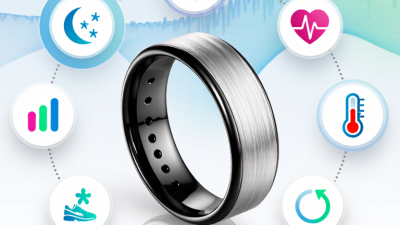
The smart ring market is moving from niche wearable technology toward everyday wellness monitoring. A 2024 industry analysis estimated the global smart ring market at approximately USD 301.7 million in 2023 and projected a compound annual growth rate of about 24.1% from 2024 to 2030. This momentum reflects demand for compact devices that combine fitness tracking, sleep insights, and convenient charging. The Multi Function Magnetic Charge Health Smart Ring R02 addresses these expectations with dynamic heart-rate measurement, blood-oxygen monitoring, heart-rate variability tracking, sleep monitoring, step counting, exercise records, stress testing, and physiological-cycle analysis.

Designed for Android 5.0 or later and iOS 10.0 or later, the R02 uses Bluetooth 5.0 to connect with a mobile application within an operating range of approximately 3–5 meters. Its AB2026 master chip, HX3918 heart-rate sensor, and SC7A20 motion sensor support routine wellness data collection, while 64KB plus 512KB of memory stores activity information. The 20mAh battery provides an estimated three to five days of standby time, and magnetic suction charging simplifies daily recharging. With an IP67 water-resistance rating, the ring is suitable for everyday activities such as walking, workouts, and sleep tracking, although its readings are intended for general wellness reference rather than medical diagnosis.

FAQS

What should I check before buying a smart ring for Android?

Confirm Android compatibility, phone requirements, Bluetooth stability, and app syncing. A beautiful ring is useless if pairing repeatedly fails.

Which sleep features are worth comparing?

Look for sleep stages, bedtime consistency, breathing changes, and overnight heart-rate trends. One sleep score is not enough.

Can a smart ring measure recovery accurately?

Resting heart rate and heart-rate variability may show recovery patterns. They are not medical diagnoses. Trends matter more than one unusual reading.

What activities should fitness tracking recognize?

Useful tracking should identify walking, running, cycling, and strength sessions. Excessive manual editing becomes irritating. Step counts may differ from phone readings.

How reliable are blood oxygen and skin temperature readings?

Blood oxygen estimates can change with movement, cold fingers, or a loose fit. Skin temperature is more useful across several nights.

How important are battery life and charging?

Several days of battery life is practical. Charging should feel simple and predictable. Missing sleep data weakens the whole experience.

What privacy details should I review?

Read how biometric data is stored, shared, deleted, and retained. Check app permissions carefully. Unrelated contact access deserves questioning.

How should I calculate the real cost?

Add the first-year price, subscriptions, and likely three-year costs. Check whether exportable records remain available after cancellation. The cheap option may not stay cheap.

Does comfort affect a ring’s overall value?

Yes. Wear it while typing, exercising, and sleeping. A slightly imperfect reading may be acceptable if you keep wearing it.

What support and warranty details matter?

Check response times, repair terms, and warranty coverage. Sensor failures happen. I would not trust polished dashboards alone.

Conclusion

Choosing the best Smart Rings For Android starts with confirming compatibility, Bluetooth connectivity, and whether the ring works smoothly with your phone’s operating system. Consider the health and fitness features that matter most, such as heart rate monitoring, sleep analysis, activity tracking, stress insights, and workout measurement. Accuracy, consistency, and easy-to-understand reports are often more valuable than having the largest number of features.

Battery life, charging convenience, lightweight comfort, and proper sizing are also essential for everyday use. Check whether the companion app supports Android reliably, syncs data efficiently, and integrates with the health services you already use. Pay attention to the ring’s materials, durability, water resistance, and available sizes, especially if you plan to wear it continuously. Finally, review privacy policies, data-sharing practices, subscription requirements, and total ownership costs. The ideal choice should provide dependable tracking, comfortable long-term wear, strong Android integration, and meaningful value without unnecessary expenses.

Jackson

Jackson

Jackson is a dedicated marketing professional at Jiangxi Xiaozhi Health Technology Co., Ltd., where he leverages his extensive knowledge and expertise in the health technology sector to drive the company’s growth and outreach. With a profound understanding of the company’s product line and an......
Previous 10 Tips for Choosing a Health Smart Ring