Leave Your Message
0%

Picking the right Fitness Ring Tracker isn’t really about buying the most expensive one. It’s more about whether the data it gives you actually lines up with your daily life. A ring can track sleep, heart rate, skin temperature, recovery, movement, stress—you name it. But honestly? No sensor knows your life perfectly.

Stanford professor Michael Snyder once put it well: “The key is to monitor people over time and look for changes.” That’s a pretty useful idea when you’re comparing rings. One bad sleep score could be from travel, a late coffee, getting sick, or even a ring that just doesn’t fit right. So don’t freak out over a single number. Look for patterns that keep showing up.

Comfort comes first, though. If the ring pinches while you sleep, all those fancy sensors don’t mean much. It’s also worth checking battery life, charging time, water resistance, sizing options, and how clear the app feels. And take a look at how the company talks about accuracy. Independent studies and honest limitations usually deserve more trust than flashy marketing claims.

Privacy is another thing people tend to skip. Before you connect your health data to an app or cloud service, read the data policy. Some platforms give genuinely helpful coaching. Others just drown you in colorful charts and vague advice. More metrics don’t automatically lead to better decisions.

At the end of the day, the best tracker should help you make practical choices—like going to bed a little earlier or easing up on training. It shouldn’t replace medical advice or professional testing, though. That’s an easy distinction to forget.

And yeah, a little doubt is healthy. Recovery scores can look super precise even when we’re not totally sure what they mean. A good buying decision balances comfort, evidence, privacy, price, and your own goals. Pick the ring you’ll actually wear consistently, understand clearly, and feel okay questioning when the numbers seem off.
How to Choose the Best Fitness Ring Tracker?

What a Fitness Ring Tracker Measures and Why It Matters

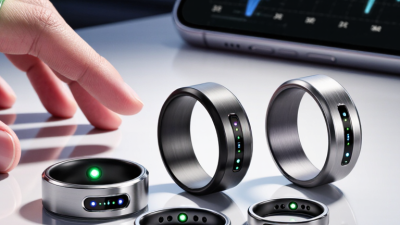
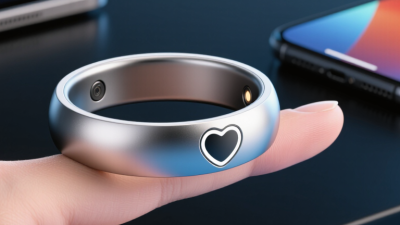
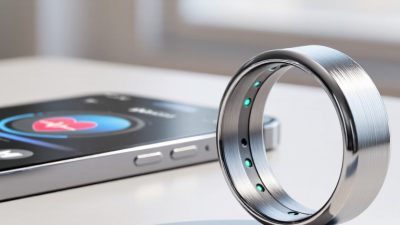
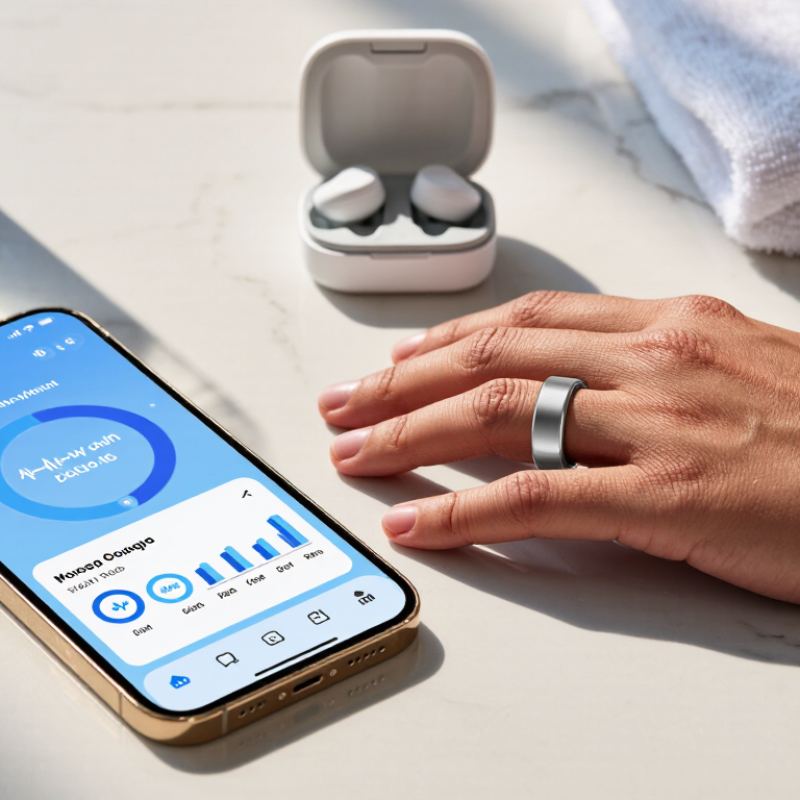
A fitness ring tracker is most useful when you understand what its sensors actually measure. Optical sensors estimate heart rate through changing blood flow. Temperature sensors detect small shifts near your skin. Motion sensors record steps, movement, and restlessness. Some models also estimate blood oxygen and breathing patterns during sleep.

These measurements can reveal useful daily patterns. A higher resting heart rate may follow poor sleep, stress, alcohol, or intense training. Heart rate variability can reflect recovery, although it changes naturally between people. Sleep tracking may show bedtime, waking periods, and estimated sleep stages. The details matter. Waking at 3 a.m. feels different from simply sleeping seven hours.

Accuracy is not perfect. A loose fit, cold fingers, sweat, or unusual movement can affect readings. Sleep stages are estimates, not direct brain measurements. I would compare results with how I feel, my training notes, and consistent routines. One unusual score should not control a health decision. Repeated trends are usually more meaningful. Small details matter.

When choosing a tracker, check its measurement methods and testing information. Look for clear explanations about accuracy and data handling. A reliable device should separate wellness insights from medical diagnosis. It should also let you export or review your data easily. Otherwise, impressive charts may become difficult to question.

How to Define Your Personal Health and Fitness Tracking Goals

Choosing a fitness ring tracker should begin with a personal question: what health decision must it support? The World Health Organization reported in 2024 that nearly 1.8 billion adults lacked sufficient physical activity in 2022. Your goal might be walking more, improving sleep consistency, or controlling training intensity. Write one measurable target, such as “average 8,000 steps on five days weekly.” Avoid tracking everything at once. More data can create more confusion.


The American College of Sports Medicine ranked wearable technology as the leading fitness trend in its 2024 worldwide survey. That popularity makes goal matching essential. For sleep improvement, prioritize sleep duration, bedtime regularity, and recovery signals. For endurance training, examine resting heart rate, workout duration, and changes after hard sessions. For general wellness, daily movement and sedentary time may matter more than advanced scores. I once focused too heavily on nightly readings and ignored how tired I felt at work. The number looked precise, but my interpretation was weak.

Check whether the tracker measures your priorities consistently, rather than choosing the device with the longest feature list. Compare readings across several weeks, and record context such as illness, travel, caffeine, or late exercise. Research published in the Journal of Medical Internet Research has noted variation in wearable accuracy across activities and body conditions. Treat measurements as useful signals, not medical conclusions. A realistic goal is better. Personal judgment still matters.

Which Sensors and Metrics to Compare Before Buying

Choosing the best Fitness Tracker Ring starts with its sensors, not its appearance. Look for optical heart-rate sensing, an accelerometer, a gyroscope, and skin-temperature tracking. Some models also estimate blood oxygen and heart-rate variability. These figures can reveal patterns, but they are not medical diagnoses. A systematic review in JMIR mHealth and uHealth found that wearable heart-rate readings can be useful during rest, while movement often reduces accuracy.

Compare metrics under real conditions. Resting heart rate should remain consistent during sleep and quiet mornings. Sleep duration matters, but sleep-stage estimates deserve caution. The American Academy of Sleep Medicine recommends at least seven hours for most adults, yet a ring may mistake stillness for light sleep. Step counts can also rise while cooking or folding laundry. I have found comfort equally important; a perfect sensor is useless if the ring feels tight at night.

Tips: Check sensor placement, battery life, water resistance, and data-export options. Review whether readings are continuous or occasional. Prefer products supported by independent validation studies, not only attractive dashboards. The American College of Sports Medicine ranked wearable technology as the leading fitness trend in its 2024 worldwide survey. Meanwhile, the World Health Organization reports that about 31% of adults worldwide do not meet recommended activity levels. That makes movement reminders valuable, but not automatically accurate. Test the ring beside a trusted chest monitor for several workouts. Expect differences. Then judge trends over weeks, not one strange Tuesday.

How to Choose the Best Fitness Ring Tracker? - Which Sensors and Metrics to Compare Before Buying
Sensor or Feature Primary Metrics What It Can Help You Understand Key Limitations What to Compare Before Buying Priority
Optical Heart-Rate Sensor Resting heart rate, continuous heart rate, workout heart rate, heart-rate trends Cardiovascular response to exercise, recovery patterns, and changes in baseline activity Accuracy may decrease during vigorous movement, poor fit, cold conditions, or reduced blood flow to the finger Measurement frequency, exercise support, fit stability, and whether readings are available during sleep and workouts High
Pulse Oximetry Sensor Blood oxygen saturation estimates and, on some devices, overnight oxygen trends General overnight oxygen patterns and possible changes associated with breathing conditions Readings can be affected by movement, skin temperature, circulation, fit, and nail coverings; it is not a diagnostic tool Whether measurements are automatic, how trends are displayed, and whether the device clearly states medical limitations Medium
Skin-Temperature Sensor Changes in skin temperature relative to a personal baseline Sleep-environment patterns, recovery context, and possible changes in physiological state Skin temperature is not the same as core body temperature and is influenced by room temperature, bedding, and finger position Baseline learning period, overnight sampling, trend visibility, and environmental adjustment Medium
Accelerometer and Gyroscope Steps, movement, activity duration, inactivity periods, and sleep movement Daily movement volume, active periods, sedentary behavior, and broad sleep-wake patterns Non-step activities may be missed, and hand movement can sometimes be counted as activity Step-detection consistency, automatic activity recognition, and support for non-walking exercise High
Sleep-Tracking Algorithms Sleep duration, bedtime, wake time, sleep regularity, and estimated sleep stages Sleep schedule consistency and changes in overall sleep patterns Sleep stages are estimates based on indirect signals and should not replace clinical sleep testing Sleep-window accuracy, nap detection, trend reports, comfort during sleep, and data transparency High
Heart-Rate Variability Analysis Short-term changes in the time interval between heartbeats, often measured during rest or sleep Recovery and stress-related trends when interpreted alongside sleep, exercise, and personal baseline data Results vary with measurement timing, breathing, illness, alcohol, stress, and inconsistent wear Measurement consistency, baseline calculation, trend presentation, and avoidance of isolated-score interpretation Medium
Respiratory-Rate Estimation Breaths per minute during sleep or rest Changes in overnight breathing patterns and recovery context It is generally an estimate and may be affected by sleep position, congestion, movement, or irregular breathing Overnight coverage, trend graphs, alerts, and clear explanation of how the estimate is produced Medium
Workout Recognition Exercise duration, estimated intensity, heart-rate response, and calories Consistency of selected activities and approximate training load Automatic recognition can misclassify activities, and calorie expenditure is an estimate rather than a direct measurement Supported exercise types, manual editing, heart-rate recording, and data export options Medium
Energy-Expenditure Estimate Estimated active calories and total daily energy expenditure Broad activity comparisons over time and changes in daily movement Calculations rely on personal profile data and sensor estimates; they are not precise enough for exact food or medical decisions Ability to update height, weight, age, and activity profile; transparent separation of active and resting energy Low
Recovery and Readiness Score Combined score based on sleep, heart rate, heart-rate variability, activity, and other signals A simplified view of whether the body may be ready for normal or demanding activity Scores are proprietary summaries and can be misleading if the underlying data is incomplete or the baseline is short Inputs used, baseline length, ability to view raw trends, and whether recommendations are adjustable Medium
Stress Estimation Stress-related trends derived from heart rate, heart-rate variability, movement, and context Potential periods of physiological strain and the effect of rest or breathing exercises It cannot directly measure emotions and may confuse physical exertion, illness, or caffeine effects with psychological stress Context labels, trend detail, user controls, and clear distinction between physiological signals and emotional state Low
Water Resistance Protection against sweat, rain, hand washing, and water exposure according to the stated rating Suitability for daily wear, sleep, and selected water-related activities Water resistance can decrease with age, impact, chemical exposure, or damaged seals; ratings do not all mean the same thing Published water-resistance rating, swimming guidance, temperature limits, and care instructions High
Battery Life and Charging Typical operating days, charging time, and charging method How consistently the ring can collect overnight and all-day data Battery life decreases with frequent measurements, updates, temperature changes, and battery aging Realistic battery estimate with sensors active, charging time, charger portability, and battery replacement policy High
Fit and Sizing Ring size, interior shape, weight, thickness, and wearing comfort Sensor contact quality, sleep comfort, and long-term adherence Finger size can change during the day, with temperature, exercise, or fluid retention Availability of a sizing guide or sample kit, fit across fingers, sensor placement, and return terms High
Data Access and Privacy Historical reports, data export, permissions, account requirements, and data deletion controls Ability to review long-term trends and maintain control over personal health-related information Some features may require an app account, cloud storage, or a paid subscription Export formats, offline access, subscription requirements, privacy policy, and account deletion process High

Note: Fitness-ring measurements are generally intended for wellness and trend tracking. Sensor accuracy varies with fit, skin contact, movement, temperature, activity type, and software algorithms. Do not use consumer readings as a substitute for professional medical evaluation.

How to Evaluate Comfort, Fit, Battery Life, and Durability

How to Choose the Best Fitness Ring Tracker?

Comfort should guide your decision, because a tracker may stay on your finger day and night. Try it during typing, walking, sleeping, and gripping a weight. A Nova Fitness Tracker Ring should feel secure without leaving deep marks. Check the sizing guide carefully. Finger swelling can change with heat, exercise, or salty meals. A slightly adjustable fit is useful, but excessive movement can weaken sensor accuracy. Small details matter.

Battery life depends on tracking features and charging habits. Compare the advertised capacity with real daily use, not just laboratory claims. Continuous heart-rate monitoring, sleep analysis, and frequent notifications may drain power faster. A reliable ring should last several days under normal settings. Test it before travel. Losing access to health data during a weekend trip is frustrating. Charging speed also matters when you have only fifteen minutes available.

Durability deserves practical testing. Look for water resistance suited to showering and workouts, but do not assume every rating supports swimming. Examine the surface for scratches after contact with keys, desks, and gym equipment. The charging system should connect firmly and resist dust buildup. Keep expectations realistic. No wearable remains flawless forever. I would also question unusually perfect reviews, since comfort and battery results vary between users. Choose evidence over polished promises.

How App Features, Data Accuracy, and Privacy Affect Your Choice

Choosing a Smart Ring Fitness Tracker starts with the app, not the ring. In daily use, I check whether sleep stages, resting heart rate, and recovery scores are explained clearly. A polished graph is useless when its meaning remains vague. ACSM’s 2025 Worldwide Survey of Fitness Trends ranked wearable technology first, showing strong demand for measurable routines. However, popularity does not prove accuracy.

Data quality should match your activity. A 2022 review in JMIR mHealth and uHealth found that wearable heart-rate readings were generally reliable at rest, but less consistent during intense movement. I would test readings against manual pulse checks during walks and workouts. Small errors matter when an app labels a normal night as poor recovery. I have made that mistake before. The score looked precise.

Privacy deserves equal attention. Pew Research Center reported that 79% of adults were concerned about how companies use their personal data. Before buying, inspect permission controls, deletion options, encryption statements, and data-sharing policies. The app should explain why it needs location, health, or contact information. Avoid vague promises. A useful tracker should let you export records and revoke access without contacting support. Battery life, notification settings, and offline access also affect trust. A tracker that loses data during a weekend hike creates doubt, even when its sensors appear impressive.

How to Choose the Best Fitness Ring Tracker?

How app features, data accuracy, and privacy affect your choice

This decision framework gives the greatest weight to data accuracy because reliable measurements are essential for meaningful health trends. App features support long-term engagement, while privacy controls help protect sensitive health information. Adjust the weights according to your personal priorities rather than treating them as a product ranking.

The weighting is an illustrative evaluation framework. When comparing devices, verify measurement methods, trend consistency, data export options, consent controls, account deletion, and applicable privacy rights.

How to Compare Costs, Subscriptions, and Long-Term Value

Choosing a Finger Ring Fitness Tracker requires more than comparing checkout prices. The purchase price is only the opening cost. A device priced at $250 may require a $6 monthly subscription for advanced sleep, recovery, and readiness data. Over three years, that becomes $466 before replacement costs. The cheaper option may win initially, yet lose financially over time.

ACSM’s 2024 Worldwide Survey of Fitness Trends ranked wearable technology first among fitness trends. IDC reported 537.6 million wearable devices shipped globally in 2024, an 11.7% annual increase. These figures show strong demand, but they do not prove long-term value. I compare the total three-year cost, warranty length, battery replacement terms, and which features remain available without payment. That last detail is easy to miss.

Not every metric deserves a subscription.

I also check whether the data changes my behavior. A clear morning recovery score may help adjust a difficult workout, while another decorative graph may add little. During a two-week comparison, record sleep manually and compare it with the tracker’s results. My notes are imperfect, and stress can distort both sleep and judgment. That is worth acknowledging. Look for exportable data, transparent privacy policies, and cancellation terms that do not create friction. A low-cost tracker with limited features may suit casual users, while frequent athletes could justify recurring fees if the insights consistently shape training decisions.

FAQS

What does a fitness ring tracker measure?

It may measure heart rate, movement, skin temperature, sleep patterns, and estimated blood oxygen. Some also estimate heart-rate variability and breathing during sleep. These are useful signals, not medical diagnoses.

How do the sensors collect health data?

Optical sensors detect changing blood flow near the skin. Motion sensors record steps, movement, and restlessness. Temperature sensors notice small skin-temperature shifts. Placement matters.

Can a fitness ring accurately track sleep?

It can estimate bedtime, waking periods, and sleep duration. Sleep stages are less certain because the ring cannot directly measure brain activity. Stillness may appear as light sleep. Treat the result as a pattern, not a final truth.

Why might my heart-rate readings look unusual?

Poor sleep, stress, alcohol, intense training, cold fingers, sweat, or a loose fit can affect readings. Unusual movement may create errors. One strange score should not control a health decision.

How should I compare fitness ring metrics?

Compare resting heart rate during quiet mornings and sleep. Review trends across several weeks. Check step counts against real activities, because cooking may add unwanted steps. I would also compare workouts with a trusted chest monitor.

What should I check before buying a fitness ring tracker?

Check the sensor types, testing information, battery life, fit, water resistance, and data-export options. Confirm whether readings are continuous or occasional. Independent validation matters more than attractive charts.

How can I choose a comfortable fit?

Wear the ring while typing, walking, sleeping, and gripping weights. It should feel secure without leaving deep marks. Fingers may swell after exercise, heat, or salty meals. A loose fit may reduce accuracy.

How long should the battery last?

A dependable ring should last several days with normal settings. Continuous heart-rate tracking and sleep analysis may drain power faster. Test charging before travel. Fifteen spare minutes can matter.

Is water resistance enough for swimming and workouts?

Water resistance may support showers or workouts, but ratings differ. Do not assume every ring supports swimming. Check the exact guidance. Durability also depends on scratches, dust, keys, and gym equipment.

Can I trust every fitness ring score?

No score is perfect. Compare readings with your feelings, training notes, and routines. Repeated trends are usually more useful than one unusual Tuesday. I still question overly polished reviews.

Conclusion

Choosing the best Fitness Ring Tracker starts with understanding what it measures, such as heart rate, sleep quality, activity levels, recovery, stress, and sometimes blood oxygen or body temperature. The right choice depends on your personal goals, whether you want to improve sleep, monitor daily movement, support workouts, or build healthier routines. Before buying, compare the available sensors, metric range, measurement consistency, and how clearly the data is presented.

Comfort and fit are equally important because a ring must be worn regularly to provide useful insights. Consider sizing options, battery life, charging time, water resistance, and overall durability. The companion app should offer understandable trends, practical guidance, reliable data accuracy, and strong privacy controls. Finally, compare the purchase price, subscription requirements, included features, and long-term value. A suitable tracker should provide meaningful information, fit comfortably into your lifestyle, and remain useful without creating unnecessary costs or privacy concerns.


Sophia

Sophia

Sophia is a dedicated marketing professional at Jiangxi Xiaozhi Health Technology Co., Ltd., where she plays a crucial role in driving the company's vision and outreach. With a deep understanding of the health technology sector, her expertise allows her to effectively communicate the benefits and......
Previous China Top 10 Health Smart Ring Suppliers?