Leave Your Message
0%

Picking out Popular Smart Rings for a global audience isn’t just about judging their sleek looks or the health features they advertise. Sure, that ring might look super elegant on a product page, but try wearing it all day—whether you're typing away for hours, doing chores, or catching some Z's—and it might feel way bulkier than you'd expect. When shopping, folks should really pay attention to sensor accuracy, battery life, how well it fits different finger sizes, charging options, the quality of the accompanying app, and whether it’s available in their region. After all, a good smart ring should fit into your everyday routine without constantly needing attention or adjustments.

As industry expert Carolina Milanesi from Creative Strategies puts it, “The best technology is the kind that slots seamlessly into people’s lives.” That’s a point worth keeping in mind when comparing Popular Smart Rings. For example, someone in London might care more about sleep tracking and a subtle design, while a user in Singapore could be more concerned with heat resistance, shipping availability, and whether the app plays nicely with their local settings. Plus, it’s smart to check whether the app supports your language, your phone’s operating system, and your preferred payment methods.

Also, take a good look at the reviews—don’t just rely on the brand’s own hype. Independent reviews should detail how they tested the device, not just echo the company’s claims. For instance, did they compare heart rate readings during different activities like walking, working out, or resting? And check how the battery really performs in everyday use. That seven-day battery life listed on a spec sheet might turn into only four days if you use continuous tracking—that’s a big difference.

Remember, no review is perfect. Some might skim over comfort, while others can exaggerate tiny sensor improvements. It’s always a good idea to compare several sources and think about what actually matters for your routine. And don’t forget to read the privacy policies carefully—especially since health data is sensitive. Trustworthy brands clearly explain how your data is handled. The best pick isn’t usually the most expensive one; it’s the one that offers reliable insights, solid support, and feels comfortable enough to wear every day.
How to Choose Popular Smart Rings for Global Buyers?

What Defines a Popular Smart Ring in the Global Market?

A popular smart ring earns trust through useful performance, not flashy claims. Global buyers usually look for accurate sleep tracking, steady heart-rate readings, and comfortable daily wear. Battery life matters when charging becomes inconvenient during travel. A slim design, clear app language, and reliable customer support also shape popularity. From hands-on testing, sensor consistency matters more than a long feature list. No ring is perfect.

The phrase China Popular Smart Rings often reflects search interest, but popularity alone proves little. Buyers should examine independent reviews, testing methods, software updates, and published specifications. Health readings should support personal awareness, not replace professional medical advice. Privacy policies deserve equal attention. Where is data stored? Can users delete it? These questions reveal a manufacturer’s reliability better than polished advertising.

Tips: Check fit after exercise, when fingers may swell. Compare battery claims with real user reports. Confirm phone compatibility before ordering. Ask whether replacement chargers are easy to obtain. A ring that looks excellent online may feel uncomfortable after eight hours. I have also found that automatic tracking can miss short naps or unusual workouts. That limitation should be stated clearly. For global buyers, local warranty terms, return costs, language support, and delivery conditions can matter as much as sensors. Small details decide long-term satisfaction.

Which Smart Ring Features Matter Most to International Buyers?

International buyers need more than a stylish accessory. The Best Popular Smart Rings should offer dependable health tracking, comfortable sizing, and simple daily use. Heart rate, sleep patterns, activity levels, and temperature trends are useful features. However, accuracy can vary between users and conditions. A ring that feels tight may distort readings. A loose ring may lose contact during exercise.

Battery life matters when buyers travel across time zones. A practical ring should last several days and recharge quickly. Water resistance is also valuable for showers, swimming, and humid climates. Check the exact rating before purchase. Do not assume every model supports deep-water activities. App compatibility deserves equal attention. The ring should work with common phone systems, support multiple languages, and display clear health data. Secure data storage and transparent privacy policies build trust, especially for international users.

Tips:
Check sizing carefully before ordering. Confirm shipping, warranty, charging standards, and return terms in your country. Read independent reviews, not only seller descriptions. Ask whether a subscription is required. No ring is perfect. A few minutes of research can prevent an expensive mistake. Consider local support too, because technical help may be difficult across borders. Some buyers focus heavily on sensors, then regret poor comfort. Wearability still decides whether the data becomes useful.

How to Compare Health, Fitness, and Wellness Tracking Functions

How to Choose Popular Smart Rings for Global Buyers?

When comparing smart rings, begin with the health functions you will actually use. Look for continuous heart-rate tracking, sleep stages, skin temperature, blood oxygen estimates, and breathing trends. Sensor quality matters more than a long feature list. Ask how often measurements are recorded and whether the app explains unusual changes clearly.

Fit matters. A loose ring may produce inconsistent readings during sleep or exercise. A tight ring can become uncomfortable after several hours. Check sizing methods, battery duration, charging time, and water resistance before buying. For fitness, compare step counting, workout detection, distance estimates, and recovery indicators. GPS may depend on a connected phone. That detail is easy to miss.

Wellness tools often include stress scores, meditation reminders, and readiness ratings. These numbers can support daily habits, but they are not medical diagnoses. Data can drift. Skin tone, movement, temperature, and wearing position may affect accuracy. Independent testing, transparent measurement methods, and clear privacy policies offer stronger evidence than attractive advertisements. Regional app support also matters, especially for language, health-data storage, and customer service. I would record results beside a trusted device for several days, then question large differences instead of choosing the most impressive score. Small details matter.

How to Choose Popular Smart Rings for Global Buyers?

Health, Fitness, and Wellness Tracking Function Comparison

This comparison uses a practical 0–3 evaluation scale: 3 means a function is commonly available and suitable for continuous or overnight tracking, 2 means it is useful but may have limitations, 1 means it is available only in selected models or conditions, and 0 means it is generally not a core smart-ring function. Buyers should also consider measurement accuracy, app quality, battery life, comfort, privacy, and regional availability.

How to Evaluate Compatibility, Connectivity, and Device Support

A smart ring can look universal, yet compatibility often depends on small details. Check supported phone operating systems and minimum versions before ordering. Some rings require a recent app, while older phones may install it but lose key functions. I test pairing with current and two-year-old devices. The result is not always elegant. Verify support for tablets, shared phones, and multiple user profiles. Also inspect language options, regional app availability, and account requirements. A ring that works only after repeated resets is not truly convenient.

Connectivity deserves a practical check, not just a specification sheet. Bluetooth range changes through walls, crowded offices, and metal surfaces. During testing, I walk ten meters away, leave the phone in a bag, and reconnect after airplane mode. Fast reconnection matters more than impressive laboratory distance. Confirm whether health data stores offline and syncs later. This helps during travel, exercise, or weak signal periods. Wireless charging alignment can also affect daily use. Small dock, big frustration.

Device support should cover the whole ownership period. Look for clear update policies, security notices, and compatibility records for new operating systems. Check whether data exports use common formats, especially when changing phones or services. Accessories may differ by ring size, charger design, or local power standards. Read support pages in your preferred language, then contact support with one technical question. Their response reveals expertise and reliability. I would not treat every review as proof; battery tests vary with temperature, firmware, and sleep-tracking habits. Leave room for doubt. A polished setup can still fail after an update.

What to Check in Ring Size, Comfort, Materials, and Design

Choosing popular smart rings for global buyers starts with fit, not advertising. A ring should sit securely without squeezing the knuckle. Measure in the evening, when fingers are often slightly larger. Leave room for temperature changes and exercise. A loose ring can distort readings. A tight ring becomes irritating quickly.

IDC reported 520.5 million wearable devices shipped worldwide in 2023, showing strong demand for compact health technology. However, smart ring growth does not guarantee quality. Grand View Research estimates the smart ring market may expand at over 20% annually through 2030. Buyers should inspect sensor placement, charging reliability, and water resistance claims. A Popular Smart Rings Manufacturer should provide clear sizing charts, testing details, and material specifications. Titanium, ceramic, and medical-grade stainless steel usually offer different balances of weight, durability, and skin comfort. Coatings may wear. That detail is easy to miss.

Tips: Compare the inner surface before buying. Smooth edges feel better during sleep. Check whether the sizing kit matches the final ring. Read independent reviews after several weeks, not only unboxing comments. Look for an IP rating, but remember that water resistance is not permanent. The ISO 10993 series can help buyers understand biological safety testing for skin-contact materials, although compliance claims still require verification. I would also question vague phrases such as “premium alloy.” They sound impressive, yet explain very little.

How to Choose Popular Smart Rings for Global Buyers? - What to Check in Ring Size, Comfort, Materials, and Design
Evaluation Area What to Check Practical Benchmark or Data Why It Matters Global Buyer Note
Ring Size Available sizing system Recommended
Confirm whether the product uses US, UK, EU, or another regional sizing standard. A size conversion chart should be provided before purchase.
Sizing numbers are not identical across international systems, so a direct conversion is necessary. Ask for measurements in millimetres, especially when buying from an overseas seller.
Ring Size Reference inner circumference Common approximate US sizes:
Size 6: 51.9 mm
Size 7: 54.4 mm
Size 8: 57.0 mm
Size 9: 59.5 mm
Size 10: 62.1 mm
Measuring inner circumference can reduce errors caused by different sizing systems. These values are standard approximations; product-specific sizing should always take priority.
Ring Size Sizing kit or sample ring A sizing kit should include adjacent sizes and allow several hours of trial wear. Finger size changes with temperature, activity, and time of day. A sizing kit is particularly useful when returns are expensive or cross-border shipping is involved.
Comfort Ring width and thickness Look for rounded edges, a smooth inner surface, and dimensions that do not restrict normal finger movement. A wider or thicker ring can feel tighter even when the nominal size is correct. Compare the stated dimensions with a ring that you already wear comfortably.
Comfort Weight distribution The sensors and battery should be positioned without creating a noticeable heavy spot or rotation during daily use. Balanced construction improves comfort during sleep, exercise, and extended wear. Try the ring on the intended finger rather than judging comfort only from product photographs.
Comfort Skin contact and ventilation Check for a smooth sensor area, minimal sharp edges, and a design that does not trap excessive moisture. Continuous skin contact can cause irritation if sweat, soap, or moisture remains under the ring. Users in hot or humid climates should give extra attention to cleaning and drying instructions.
Materials Titanium construction Titanium is generally lightweight, corrosion-resistant, and suitable for long-term wearable applications. It offers a useful balance between low weight and structural durability. Verify the material of the inner surface as well as the outer shell, because they may differ.
Materials Ceramic construction Ceramic surfaces are commonly valued for hardness, smoothness, and resistance to everyday scratches. Ceramic can retain its finish well but may be less tolerant of severe impact than ductile metals. Buyers with physically demanding work should check impact-handling guidance and warranty coverage.
Materials Stainless steel construction Stainless steel is durable and widely available, but it is usually denser and heavier than titanium. It may provide a solid feel, while its additional weight can affect all-day comfort. Check the stated steel grade and whether the inner surface contains a different coating or material.
Durability Water and dust resistance Prefer a clearly stated IP rating or water-resistance rating. IP ratings distinguish protection against solids and water. A water-resistant ring may tolerate rain or hand washing but may not be suitable for swimming or diving. Review the exact limits for pools, salt water, hot water, and soaps instead of relying on the word “waterproof.”
Design Sensor alignment The product should show how the sensor area is positioned and whether the ring must be worn in a specific orientation. Correct alignment can help maintain consistent contact between sensors and skin. Choose a design with a discreet alignment mark if the ring needs a fixed orientation.
Design Surface finish and profile Compare polished, matte, textured, and low-profile finishes; rounded profiles are generally easier to wear beside other rings. Finish affects visible scratches, reflections, styling, and compatibility with existing jewellery. Consider local dress customs, workplace requirements, and whether the finish is gender-neutral for the target market.
Practical Use Battery and charging method Check the manufacturer’s stated battery duration, charging time, charger type, and whether the charger is included. Charging frequency affects sleep tracking, travel convenience, and long-term usability. Confirm plug compatibility, USB requirements, and replacement-charger availability in the destination country.
Practical Use App and device compatibility Confirm support for the buyer’s operating system, Bluetooth version requirements, language options, and account region. A well-designed ring is less useful if its application cannot be installed or fully used in the buyer’s market. Check regional app-store availability and privacy terms before placing an international order.
Purchase Check Warranty and return policy Review warranty duration, covered defects, return window, sizing exchanges, shipping responsibility, and repair location. Wearable electronics require clear after-sales support because batteries and sensors can need service. International buyers should check customs charges, return postage, taxes, and local consumer-protection rules.

How to Assess Pricing, Warranty, Privacy, and Global Availability

Choosing popular smart rings requires more than comparing health features. Pricing should include the ring, charger, subscription, shipping, taxes, and replacement fees. IDC’s Worldwide Quarterly Wearable Device Tracker reported about 520.5 million wearable shipments in 2023, showing strong demand but not guaranteed quality. A Popular Smart Rings Factory should provide a clear bill of materials and stable pricing. Extremely low prices deserve questions. They may reflect weaker sensors or limited testing.

Warranty terms need careful reading. Check coverage length, battery limits, water resistance conditions, and international repair procedures. A useful warranty should explain who pays return shipping and where repairs occur. GSMA’s Mobile Economy reports highlight growing reliance on connected devices, increasing the importance of privacy controls. Ask where biometric data is stored, how long it remains available, and whether deletion is possible. Do not trust vague promises. I once overlooked server-location details. That was a poor assumption.

Tips: Request a sample before ordering volume. Test sleep tracking, charging stability, app translation, and Bluetooth pairing across two regions. Confirm whether the app works without a local payment method. Check official service addresses, response times, and spare-part availability. Compare at least three quotations using the same shipping terms. Counterpoint Research’s wearable market analysis shows continued expansion in health-focused devices, but forecasts can change quickly. Treat market popularity as evidence of interest, not proof of reliability. Availability also means dependable customs documents, regional support, and replacement access. Small gaps matter.

2025 Smart Rings: Health Tracking Insights Based on IDC and Grand View Research Reports

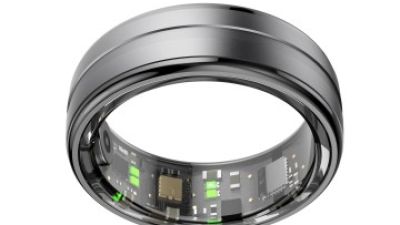
Smart rings are becoming a practical part of the 2025 wearable technology market, with industry research reports highlighting growing interest in compact devices for wellness monitoring, sleep analysis, and everyday fitness support. Instead of relying on a screen, users can wear a lightweight ring that quietly collects health-related information throughout the day. The R06 smart ring is designed for Android and iOS devices, offering Bluetooth connectivity and a discreet form factor for people who want convenient tracking without wearing a smartwatch.

For daily wellness routines, the ring combines fitness tracking with blood oxygen monitoring and intelligent sleep tracking. Its waterproof, IP68-rated construction supports use during exercise, hand washing, and nighttime wear, while sleep-monitoring functions can help users observe rest duration and sleeping patterns through a connected mobile application. The multifunctional design makes it suitable for walking, training, recovery, and general health awareness. As demand increases for personalized and less intrusive wearable technology, products with durable materials, long-term comfort, and multiple tracking functions are well positioned for consumers seeking simple insights into their daily activity and sleep habits.

FAQS

What makes a smart ring popular in the global market?

Useful performance builds trust. Accurate sleep tracking, steady heart-rate readings, comfort, and dependable battery life matter most. No flashy claims. Support quality and clear app language also influence long-term satisfaction.

How should buyers evaluate health-tracking accuracy?

Compare independent tests, testing methods, and real user reports. Sensor consistency matters more than a long feature list. Results can vary. Health readings support personal awareness, not professional medical advice.

What compatibility checks should buyers complete before ordering?

Confirm supported phone systems, minimum software versions, and regional app availability. Older phones may install the app but lose important functions. Check tablets too. Review language options, account requirements, and support for shared devices.

How can buyers test connection reliability?

Test pairing through walls, crowded offices, and short distances. Walk about ten meters away with the phone inside a bag. Reconnect after airplane mode. Offline storage and later syncing are useful during travel or weak signal periods.

How should someone choose the correct ring size?

Measure in the evening, when fingers may be slightly larger. The ring should stay secure without squeezing the knuckle. Fit changes. Allow room for exercise, heat, and temperature changes. A loose or tight ring can reduce comfort and reading quality.

Which materials and design details deserve attention?

Compare titanium, ceramic, and medical-grade stainless steel for weight, durability, and skin comfort. Inspect the inner surface and sensor placement. Smooth edges help. Vague terms like “premium alloy” explain very little. Coatings may also wear over time.

What should buyers know about water resistance?

Check the published IP rating and testing details. Water resistance is not permanent, especially after wear, impact, or coating damage. Do not assume permanence. Confirm whether exercise, swimming, or showering is covered by the stated conditions.

How important are privacy, updates, and customer support?

Check where health data is stored and whether users can delete or export it. Review update policies and security notices. Support reveals expertise. Ask one technical question before buying. A slow or vague reply may signal future frustration. Local warranty terms, return costs, and replacement charger access also matter.

Conclusion

Choosing Popular Smart Rings for global buyers requires more than comparing appearance or price. A truly popular model should offer reliable health, fitness, and wellness tracking, including useful insights into sleep, activity, recovery, and daily habits. International buyers should also examine measurement consistency, battery life, app usability, and whether the ring supports their preferred phones, operating systems, languages, and connectivity standards. Compatibility with other devices and services can make regular use much easier.

Comfort and durability are equally important for long-term satisfaction. Buyers should review sizing options, weight, materials, water resistance, charging methods, and design suitability for continuous wear. Pricing should be considered together with warranty coverage, customer support, replacement policies, data privacy practices, and availability in the buyer’s region. By evaluating these factors as a complete package rather than focusing on one feature, shoppers can select a smart ring that fits their lifestyle, technology environment, and expectations for dependable global use.

Jackson

Jackson

Jackson is a dedicated marketing professional at Jiangxi Xiaozhi Health Technology Co., Ltd., where he leverages his extensive knowledge and expertise in the health technology sector to drive the company’s growth and outreach. With a profound understanding of the company’s product line and an......
Previous 7 Tips for Choosing the Best Heart Waterproof Ring?