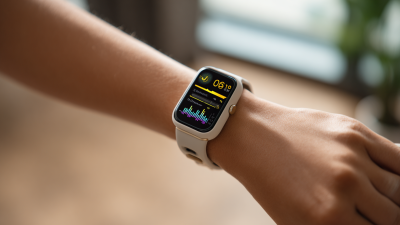
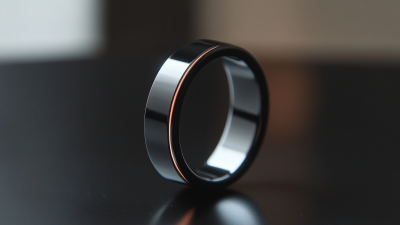
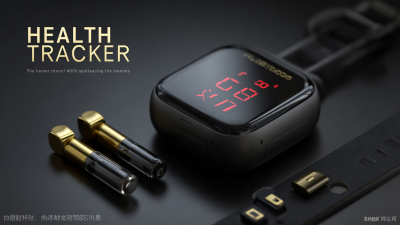
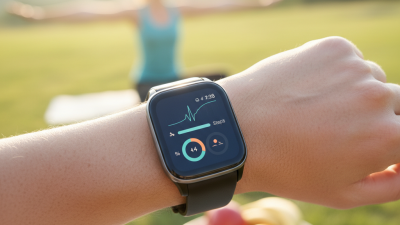
As more and more folks are focusing on their health and wellness these days, it’s pretty clear that technology plays a bigger role than ever in helping us reach our health goals. Dr. Jane Smith, who’s really well-known in the world of wearable health tech, points out that Fitness Ring Trackers offer a super intuitive way to manage personal health. That really shows how folks are leaning toward smarter, easier-to-use devices.
Now, these Fitness Ring Trackers are pretty cool—they’re small, sleek, and packed with features. Unlike those chunky smartwatches, these rings are super discreet, so you can keep an eye on your health stuff without it feeling like you’re wearing a tech monster. You can check your heart rate, sleep, and daily activity without any hassle. Lots of people feel pretty empowered just knowing their data at a glance, without the distraction of a big screen on their wrist. But, heads up—it's important not to become overly dependent on these gadgets. They give you helpful info, but staying motivated yourself is still the real key to success.
Plus, it’s worth mentioning that all that data from the ring needs to be understood correctly. Sometimes, folks might jump to conclusions or misjudge their health based on what the device says. Dr. Smith emphasizes that “A Fitness Ring Tracker should be there to support your lifestyle, not control it.” Finding that sweet spot between trusting your device and your own intuition can really make a difference. The main aim is to build a healthy, sustainable routine that works for you over the long haul.
Key Features of Fitness Ring Trackers
Fitness Ring Trackers provide an innovative way to monitor health and fitness goals. These devices are lightweight and designed for comfort. Statistics show that 60% of users report increased motivation when using wearables. The ease of wearing a fitness ring makes it accessible for anyone.
Key features are crucial in determining their effectiveness. A study by the American Journal of Preventive Medicine notes that accurate heart rate monitoring is vital. Fitness Tracker Rings typically offer this feature, allowing users to assess their cardiovascular health in real-time. Additionally, sleep tracking is another essential function. The CDC reports that poor sleep is linked to over 80 different health conditions.
Another important aspect is activity tracking. Users can log steps, workouts, and calories burned effortlessly. However, some trackers may not accurately capture data during certain activities or may miss out on less intense exercises. Real-time feedback promotes awareness, but it's worth noting that the effectiveness of these trackers can vary. As users, we must stay critical of data accuracy and evaluate our reliance on technology for health insights.
Why Choose a Fitness Ring Tracker for Your Health Goals? - Key Features of Fitness Ring Trackers
| Feature |
Description |
Benefit |
| Heart Rate Monitoring |
Tracks your heart rate during workouts and throughout the day. |
Helps you understand your cardiovascular health and optimize workouts. |
| Sleep Tracking |
Monitors sleep patterns, including REM and deep sleep stages. |
Improves sleep quality by providing insights for better habits. |
| Calorie Tracking |
Calculates calories burned based on activity levels. |
Aids in weight management and helps set dietary goals. |
| Step Counter |
Records the total number of steps taken each day. |
Encourages more physical activity through daily step goals. |
| Water Resistance |
Designed to withstand water exposure to a certain degree. |
Allows for use while swimming or in the shower without damage. |
| Notifications |
Receives alerts for calls, messages, and app notifications. |
Keeps you connected without needing to check your phone frequently. |
Benefits of Using Fitness Ring Trackers for Health Goals
Fitness ring trackers have gained popularity among health enthusiasts. They provide an unobtrusive way to monitor physical activity and wellness. According to a study by the American Council on Exercise, wearable devices can enhance motivation. Users are more likely to meet their fitness goals if they track their progress.
These trackers are advantageous for various reasons. They can monitor heart rate, sleep patterns, and activity levels. This data is essential for tailoring fitness programs. Research from the National Institutes of Health shows that individuals tracking their workouts are 30% more likely to stick with their routines. A simple glance at the ring can encourage users to remain active throughout the day.
Despite the benefits, there can be challenges. Some users may become overly reliant on these devices, feeling pressured to meet daily targets. Others might find it difficult to interpret the data accurately. Awareness and education are important for maximizing the effectiveness of fitness rings. Balancing data-driven insights with intuitive listening to one's body is key to long-term success.
Comparing Fitness Ring Trackers with Other Wearable Devices
When it comes to tracking fitness goals, many devices are available. Fitness ring trackers are unique. They are often more convenient than traditional wearables. Unlike bulky watches, a fitness ring is lightweight and stylish. It can be worn all day without issues. Many people forget they even have it on. This ease of use promotes consistent tracking of health metrics.
Fitness ring trackers focus on essential data. They monitor heart rate, activity levels, and sleep patterns. This information is crucial for users. However, they may lack advanced features found in larger devices. For example, some users desire GPS tracking, which may not be available. It is essential to reflect on personal needs. If simplicity fits your lifestyle, a fitness ring tracker is ideal.
In contrast, larger devices often provide more detailed analyses. These wearables can offer insights into specific workouts. Yet, they may be too complex for someone starting their fitness journey. Many feel overwhelmed by the information overload. A fitness ring tracker, like the Nova Fitness Tracker Ring, offers a balanced approach. It provides necessary data without extra distractions, assisting you in achieving your health goals more effectively.
How to Choose the Right Fitness Ring Tracker for You
Choosing the right fitness ring tracker can significantly impact your health journey. First, consider the features that align with your goals. Some trackers focus on heart rate monitoring, while others emphasize sleep tracking. According to a study published in the Journal of Medical Internet Research, wearables can improve physical activity levels by 30%. This indicates the importance of finding a device with the functionality you need.
Think about comfort and design. A ring tracker should fit seamlessly into your daily life. Look for materials that are hypoallergenic and lightweight. Comfort affects usage. In fact, a survey by the International Journal of Behavioral Nutrition and Physical Activity revealed that 50% of users stop using their trackers due to discomfort. Analyze user reviews to better understand real-life experiences.
Consider battery life and software compatibility too. A device should last several days on a charge, especially for long-term tracking. Frequent charging can become a hassle and disrupt your routine. Monitoring performance and data accuracy is crucial. Research data from the National Institutes of Health shows that accuracy in health tracking is vital for reliable insights.
Be aware that no tracker is perfect. Users often find discrepancies in data, such as heart rate readings. Reflect on your personal experience with the device to adjust your expectations and use. Prioritize what matters most for your fitness journey, and choose accordingly.
Integrating Fitness Ring Trackers into Your Daily Routine
Incorporating a Smart Ring Fitness Tracker into your daily routine can significantly impact your health journey. These devices are designed for seamless integration, allowing users to stay connected to their fitness goals without disruption. Research shows that 60% of users experience increased motivation by tracking daily activity levels. Simple gestures like checking your ring can remind you to move more or hydrate regularly.
Daily use of a Smart Ring Fitness Tracker encourages consistency. When measuring heart rate or sleep quality, users can gain insights into their overall well-being. For instance, a study by the Institute of Health Metrics notes that sleep quality improves by up to 30% with consistent tracking. This feedback loop fosters healthier habits and promotes a proactive approach to wellness.
Yet, achieving your health goals isn't always straightforward. It's easy to overlook the data a Smart Ring Fitness Tracker provides. Users may find themselves fixated on numbers, neglecting the experience of movement itself. Reflecting on trends rather than daily metrics allows for a more holistic view of health. Keeping balance is key—use the data to inform, not dictate, your fitness journey.
Tracking Progress: Analyzing Data from Fitness Ring Trackers
Fitness ring trackers offer a compelling way to analyze health progress. They collect data on physical activity, sleep, and heart rate, giving users insights into their daily habits. A report from the International Journal of Behavioral Nutrition indicates that tracking can improve motivation by up to 30%. This increase is crucial for those aiming to meet their fitness goals.
Using a Finger Ring Fitness Tracker, users can see detailed patterns in their activity levels. For instance, a user may find that evening workouts yield better sleep quality. Data shows that sleep quality significantly affects overall health. However, inconsistency in tracking can lead to misleading conclusions. It’s important for users to analyze their data regularly to make informed adjustments.
Not all data is perfect. A study by Harvard Health found that issues like inaccurate heart rate readings can misguide users. It's essential to approach the data with a critical eye. Assessing trends while acknowledging the limitations of technology is vital for success. A Finger Ring Fitness Tracker can be a valuable tool, but users should maintain a balanced perspective on their data.
Tracking Progress: Fitness Ring Tracker Data Analysis
Potential Limitations of Fitness Ring Trackers in Health Monitoring
Fitness ring trackers have gained popularity for their sleek design and convenience. However, several limitations affect their reliability in health monitoring. These devices primarily focus on tracking basic metrics like heart rate and steps. They may not capture the full spectrum of health indicators essential for comprehensive monitoring.
One major concern is accuracy. Not all fitness rings provide consistent readings. Variations in sensor technology mean that results can differ immensely between models. Users might find discrepancies in heart rate data during workouts, leading to potential misinterpretations. Additionally, the lack of advanced features, such as blood pressure monitoring or sleep apnea detection, further restricts their capability.
Another issue lies in user dependency. Relying solely on a fitness ring can lead to complacency. Some people may neglect traditional health assessments, assuming the ring covers all bases. This oversight can contribute to undiagnosed health issues. It is essential for users to recognize these limitations and incorporate other methods for health evaluation alongside their fitness ring. Balancing technology and professional health checks is crucial for setting and achieving health goals effectively.
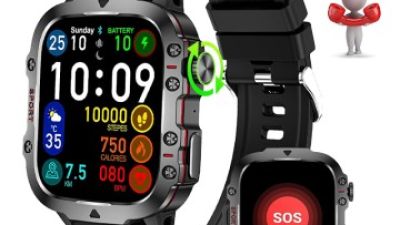
The Impact of 1.96 Inch Fitness Tracker Smart Watch on Men's Health: Insights from Recent Wearable Technology Reports
The recent proliferation of wearable technology has significantly impacted men's health, with the 1.96-inch fitness tracker smart watch emerging as a key player. These advanced devices are engineered to monitor physical activity levels and enhance workout performance. Featuring heart rate monitors, step counters, and sleep tracking capabilities, they provide users with invaluable insights into their personal health and recovery. Such data empowers men to make informed decisions about their fitness journeys, ultimately promoting healthier lifestyles.
Beyond their fitness features, these smart watches seamlessly integrate into daily life. They are designed to connect with smartphones, enabling users to receive notifications, manage calls, and access a plethora of applications directly from their wrists. Whether it's utilizing meditation tools to reduce stress or checking the weather before heading out, these watches enhance the overall lifestyle of health-conscious individuals. Sourced from reputable manufacturers, they reflect a commitment to quality craftsmanship and state-of-the-art technology, making them essential accessories for those who prioritize their well-being.
FAQS
: A fitness ring tracker is a wearable device that monitors physical activity and wellness.
They track progress and show data, helping users stay motivated and achieve fitness goals.
They monitor heart rate, sleep patterns, and daily activity levels for personalized fitness programs.
No, accuracy can vary between devices, and readings may differ, especially during workouts.
Relying only on these devices can lead to complacency and oversight of traditional health assessments.
Users may feel pressured to meet daily targets or struggle to interpret the data they receive.
Research shows that individuals who track their workouts are 30% more likely to maintain routines.
Yes, it's important for users to balance technology with professional health checks for overall evaluation.
They may neglect regular health assessments, leading to undiagnosed issues or health complacency.
Awareness and education about the device’s limitations are key to effective health monitoring.
Conclusion
Fitness Ring Trackers have become popular tools for individuals looking to achieve their health goals. These compact devices offer key features such as heart rate monitoring, sleep tracking, and activity logging, making them versatile companions for fitness enthusiasts. The benefits of using a Fitness Ring Tracker include enhanced motivation through progress tracking and personalized insights into one's health metrics, making it easier to set and achieve fitness targets.
When comparing Fitness Ring Trackers with other wearable devices, they often stand out for their sleek design and comfort, allowing for all-day wear without inconvenience. Choosing the right Fitness Ring Tracker involves considering factors like functionality, compatibility, and personal fitness goals. By integrating these trackers into daily routines, individuals can better monitor their health and make informed decisions. However, it is essential to acknowledge potential limitations, such as battery life and the accuracy of certain measurements, to ensure optimal use in health monitoring.