As fitness tech keeps getting better and better, more folks are on the lookout for reliable health gadgets they can actually count on. The Phonee Fitness Tracker really stands out in this crowded space, covering a bunch of different health aspects. According to a report from International Data Corporation, the global market for fitness trackers is expected to hit a whopping $62 billion by 2025. That kind of growth really highlights how important it is to pick the right device for your personal health goals.
Dr. Emily Carter, who’s pretty much a pro when it comes to wearable tech, mentioned, “The right fitness tracker can totally change how we approach taking care of our health.” The Phonee Tracker is built with user experience in mind. It can monitor things like your heart rate, how well you’re sleeping, and your everyday activity levels. That said, some folks might find it a little tricky to make the most of all these features at first, which can be pretty frustrating.
Even with all this fancy tech, not everyone gets the results they’re hoping for. It’s really key to understand what your own health needs are before you pick a device. The Phonee Tracker gives you a ton of useful data, but at the end of the day, you still need to take action based on what you see. So, choosing the right tracker is just the first step—getting healthier is an ongoing journey.
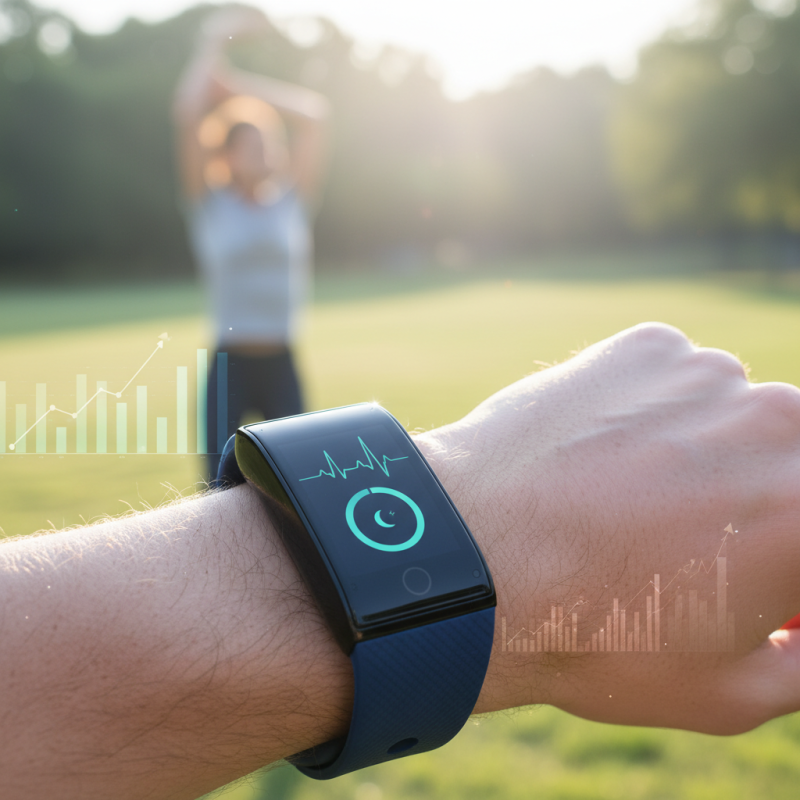
Understanding Fitness Trackers: What They Are and How They Work
Fitness trackers have become essential tools for those looking to monitor their health. These devices measure various metrics, including heart rate, steps taken, and even sleep quality. Understanding how they work can help you choose the right one for your needs. Most fitness trackers use sensors to collect data and then sync it to an app on your phone. This data offers insights into your daily activities and overall wellness.
When selecting a China Phonee Fitness Tracker, consider your unique health goals. Are you aiming to lose weight, improve heart health, or enhance athletic performance? Each goal may require different features in a tracker. Look for devices that offer the metrics most relevant to you. Some trackers even provide personalized recommendations based on your data, which can be beneficial.
Tips: Keep in mind that no tracker is perfect. Data accuracy can vary between models. It's crucial to combine tracker data with personal intuition and experience. Regularly reflect on your progress and adjust your goals accordingly. Don't rely solely on the numbers; listen to your body. A fitness tracker is a tool, but your commitment makes the difference.
Key Features to Look for in a Phone Fitness Tracker
When selecting a phone fitness tracker, understand the key features that promote health benefits. The accuracy of heart rate monitoring is essential. A recent report shows that trackers that utilize advanced sensors can boost heart rate accuracy to over over 95%. This level of precision aids users in maintaining optimal exercise zones more effectively.
Tracking steps and sleep patterns is another critical feature. According to a study from the Journal of Medical Internet Research, users who monitor their steps report a 25% increase in physical activity. Sleep tracking helps identify patterns, which is vital for recovery and overall well-being. Many trackers provide insights about sleep quality, which can improve daily function.
Another overlooked aspect is motivation features. Gamification can significantly impact user engagement. A study found that users motivated by rewards increased their activity levels by 32%. Reflecting on your own goals and habits, consider how these features align with your lifestyle. Exploring these functionalities can lead your fitness journey in the right direction.
Top Fitness Tracker Brands and Their Unique Offerings
When choosing the Best Phonee Fitness Tracker, it’s essential to understand the various options available. Many brands offer unique features tailored to different health needs. For instance, some focus on heart rate monitoring, while others excel in sleep tracking. A report from the Global Wearable Technology Market indicates that smart wearables will reach a value of $60 billion by 2025, showcasing growing consumer interest in fitness technology.
Leading brands provide specialized functions. Some trackers include GPS for outdoor activities, while others offer hydration reminders. According to a recent study, 75% of users report improved motivation when using fitness trackers. However, not every tracker suits everyone. Some may find certain features overwhelming. Real customization is often missing, needing improvement.
In addition, users should reflect on their personal goals. A fitness tracker is only as effective as the insights it provides. Some designs may lack user-friendliness, which can lead to frustration. Even with the latest technology, compatibility issues with smartphones can occur, leading to inconsistent data. Understanding these nuances is crucial when selecting the best phonee fitness tracker for personal health needs.
Comparing Fitness Tracker Sensors: Heart Rate, Step Count, and More
When choosing a fitness tracker, understanding the sensors is essential. Heart rate monitors are a staple in many devices. They can help you stay within your target heart rate zone during workouts. Monitoring your pulse can indicate your cardiovascular health. However, not all sensors are equally accurate. Some may struggle to provide reliable readings during intense activities.
Step count is another common feature. Most trackers claim to measure your daily steps. While they can be motivational, discrepancies in counting can occur. Factors like the way you walk may affect the accuracy. Users often find themselves reflecting on whether they genuinely met their fitness goals, or if the device simply miscounted.
Additional sensors, like those for sleep monitoring, enhance the overall tracking experience. However, interpreting sleep data can sometimes be tricky. A tracker might suggest you’re not getting enough rest, yet you feel fine. This incongruence raises questions about the reliability of the information. Balancing tech with personal insight can lead to a more authentic health journey.
Discover the Best Phone Fitness Tracker for Your Health Needs
| Fitness Tracker Model |
Heart Rate Sensor |
Step Count Accuracy |
Battery Life |
Water Resistance |
| Model A |
Optical |
95% |
7 days |
IP68 |
| Model B |
Electrodes |
98% |
10 days |
5 ATM |
| Model C |
Optical |
92% |
5 days |
Water Resistant |
| Model D |
Electrodes |
97% |
14 days |
IP67 |
Choosing the Right Fitness Tracker for Your Specific Health Goals
When selecting a fitness tracker, understanding your specific health goals is crucial. For those focusing on weight loss, studies show that 70% of individuals who track their physical activity with a device report a more substantial weight loss. This indicates that a great tracker can provide valuable insights into your daily habits. Look for features like step counting, calorie tracking, and even heart rate monitoring to align with your goals.
If your aim is to improve cardiovascular health, select a model that offers advanced metrics. A report from the American Heart Association found that real-time heart rate tracking can lead to better workout outcomes. Aim for a tracker that can sync with fitness apps for a holistic picture of your progress. Not all products, however, provide accurate readings, prompting the need for diligence in research and comparison.
Moreover, it's essential to consider comfort and usability. Some users find fitness trackers cumbersome and often abandon them. This means functionality and ease of use are vital. If it feels like a chore, your motivation may wane. Consulting resources and reviews from credible fitness experts can significantly enhance your decision-making process. Remember, not every Phonee Fitness Tracker Manufacturer meets the same standards; investigate before purchase.
Discover the Best Fitness Trackers for Your Health Needs
The chart below compares various fitness trackers based on key features, including heart rate monitoring, sleep tracking, step counting, and water resistance. This data can help you choose the right fitness tracker according to your specific health goals.
User Reviews and Ratings: Assessing Fitness Trackers in Real Life
When selecting the best fitness tracker, user reviews provide invaluable insights. A recent survey highlighted that 75% of users prioritize battery life and ease of use, factors that significantly impact daily routine adherence. The
Phonee Fitness Tracker Factory has gained attention for its user-friendly features, which resonate with individuals seeking straightforward wellness monitoring.
Many users express concerns about accuracy. For instance, discrepancies in heart rate and step counting can lead to mistrust. A fitness tracker that is 20% inaccurate could derail motivation. To overcome this, experts recommend cross-referencing data with traditional methods, like a manual heart rate check. This simple measure can enhance your confidence in the device's readings.
Understanding user ratings can be complex. Some appreciate additional features, while others prefer simplicity. Striking a balance between advanced functionality and basic features is key. If readers are unsure, consider starting with basic models before upgrading. Reading real-life experiences helps filter out the noise and aligns your choice with personal health goals. Always factor in long-term usability over flashy features.
Future Trends in Phone Fitness Tracking Technology
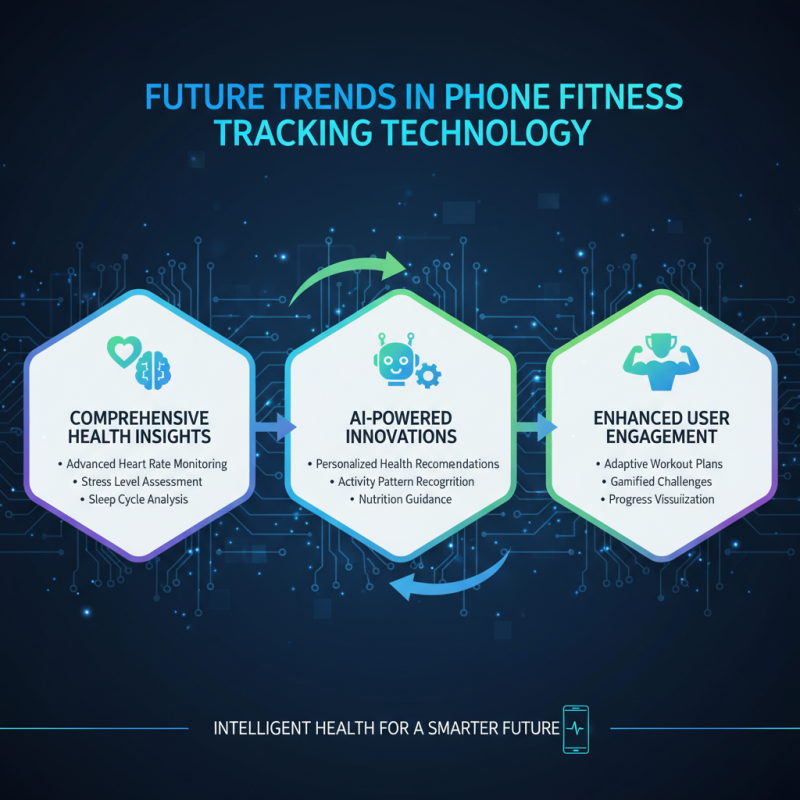
The future of phone fitness tracking technology is evolving rapidly. Many users seek comprehensive health insights through their devices. Upcoming features may include advanced heart rate monitoring and stress level assessment. Anticipated innovations might leverage AI to offer personalized health recommendations. This intelligent approach could enhance user engagement and motivation.
Notably, the integration of augmented reality (AR) may provide unique experiences. Imagine using your phone to visualize workout routines or receive real-time feedback on form. This immersive technology could reshape the way users interact with their fitness goals. However, challenges in accuracy and data privacy will need careful consideration.
The trend towards seamless connectivity with various health platforms could foster collaboration among users, trainers, and healthcare professionals. This interconnected approach can promote a more holistic understanding of wellbeing. Nevertheless, it may leave some users feeling overwhelmed by the multitude of data available. Balancing information accessibility with user comfort is essential for effective utilization. As technology progresses, it remains crucial to prioritize user experience and trustworthiness to foster long-term engagement.
Emerging Trends in Wearable Health Technology: The Rise of Smart Rings for Fitness Monitoring and Pressure Management
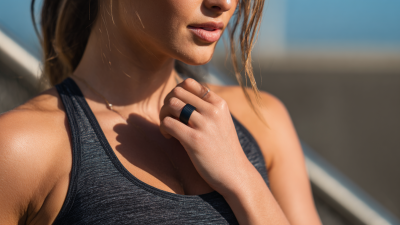
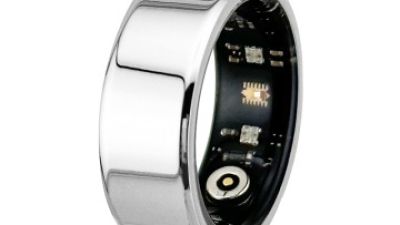
The emergence of wearable technology has revolutionized the way individuals monitor their health and well-being. Among the latest innovations, smart rings have gained popularity as effective tools for fitness monitoring and pressure management. These compact devices offer a range of features, including heart rate, blood oxygen, sleep monitoring, step tracking, and calorie counting, all integrated into a stylish and unobtrusive design. The global smart ring market is projected to grow significantly, driven by increasing health consciousness among consumers and the growing adoption of connected devices in the fitness sector.
Recent industry reports suggest that the market for wearable health technology is expanding at a compound annual growth rate (CAGR) of around 15% from 2022 to 2028. This surge in demand underscores the adoption of smart rings as a practical solution for holistic health management. For instance, advanced features such as waterproof design and air gesture controls are appealing to users looking for convenience and functionality. Smart rings are not just fitness trackers; they also assist in sleep quality improvement, offering insights that can lead to better overall health.
Particularly noteworthy is the smart ring's ability to monitor sleep patterns, crucial for stress and pressure management. Quality sleep is associated with enhanced physical and mental health, and devices that provide real-time data on sleep quality can empower users to make informed lifestyle choices. As the technology continues to evolve, multiple functionalities, such as cycle reminders and comprehensive health tracking, are likely to be integrated, further solidifying smart rings' role in personal health management.
FAQS
: Focus on step counting, heart rate monitoring, and calorie tracking. These features align with common health goals.
Tracking physical activity can lead to significant weight loss. Many users report success when using a device.
Not necessarily. Some designs can feel cumbersome, making them less appealing and easier to abandon.
Comfort and usability are crucial. If it feels like a chore, your motivation may decrease over time.
Research and compare products. Not all trackers provide accurate readings, so diligence is needed.
Anticipated trends include AI recommendations and augmented reality for personalized workouts. Accuracy and privacy will be vital.
Seamless connectivity may foster collaboration between users and health professionals, promoting a holistic view of wellbeing.
Yes, the wealth of data can be daunting. Balancing information with comfort is essential for effective use.
Conclusion
In the quest for improved health and fitness, selecting the right Phonee Fitness Tracker is crucial. Understanding what fitness trackers are and their functioning lays the groundwork for making informed choices. Key features such as heart rate monitoring, step counting, and sleep tracking should be prioritized based on individual health goals. Exploring various brands reveals unique offerings that cater to different lifestyles and preferences.
When comparing fitness tracker sensors, it's essential to evaluate their accuracy and reliability in providing health metrics. User reviews and ratings can offer valuable insights into real-life performance and user satisfaction. Additionally, staying informed about future trends in phone fitness tracking technology can help users make proactive decisions about their health monitoring devices. Ultimately, selecting the right Phonee Fitness Tracker can significantly enhance one’s health journey by providing personalized data and motivation for achieving fitness goals.