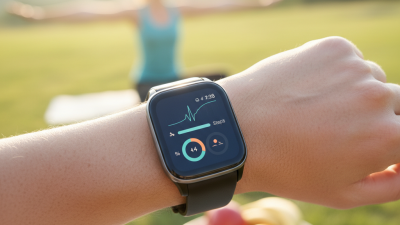
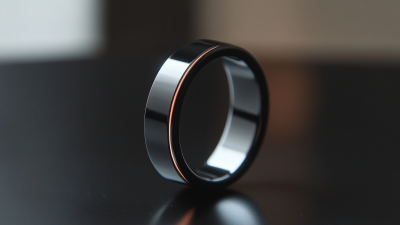
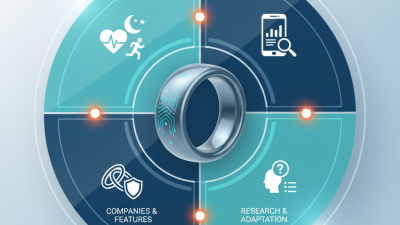
Lately, the health tech world has been buzzing with all sorts of innovative gadgets, especially the Health Smart Ring. Experts like Dr. Emily Tran, who’s pretty much a go-to person when it comes to wearable health tech, highlight how game-changing these things can be. She mentions that, "Health Smart Rings have the real potential to revolutionize personal wellness by constantly tracking key health metrics and giving instant feedback."
With everyone looking for easier ways to stay healthy, these rings have really gained popularity all around the globe. They make it simple to keep an eye on your vital signs, sleep, and daily activity — empowering people to actually take control of their health stuff. That said, the market’s pretty crowded now, so it’s a good idea to do some homework before jumping in.
Picking the right ring really depends on what features matter most to you and what your personal needs are. Some rings are super precise, while others are more about looking good. And, of course, like any tech, they aren’t perfect — you might run into issues like battery life or whether they play nice with your phone. So, taking the time to do a bit of research and think things through is definitely the way to go.
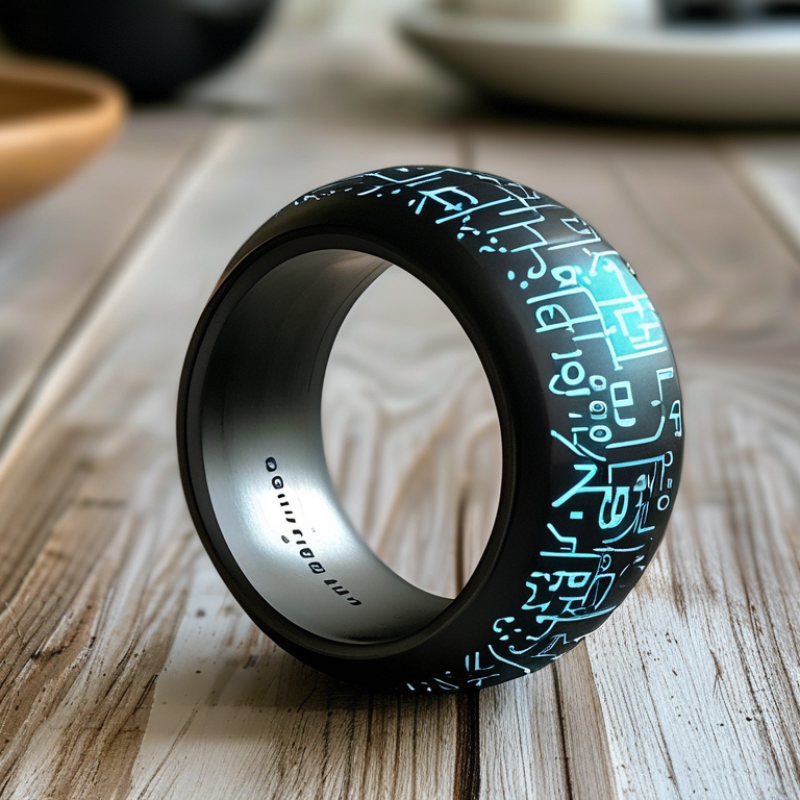
Understanding Health Smart Rings: An Overview
Health smart rings have become popular among health-conscious consumers. These innovative devices monitor key parameters such as heart rate, sleep quality, and physical activity. Unlike conventional wearables, Smart Health Rings offer a compact and stylish alternative. Their discreet design makes them an attractive option for everyday wear.
When considering a smart health ring, it's important to focus on features. Not all rings provide the same level of accuracy. Some may struggle to provide reliable data, especially during intense exercise. Look for rings that use advanced sensors for more precise readings.
**Tips:** Always check user reviews before purchasing. Look for insights on battery life and connectivity. Additionally, ensure that the ring is comfortable. Remember, an ill-fitting ring could lead to inaccurate readings.
Another key factor is app integration. Most smart health rings pair with mobile applications. Ensure that the app is user-friendly and provides detailed insights. However, some users find the data overwhelming. Learning to interpret the metrics can be a challenge. Take your time to study the information.
Key Features to Consider When Purchasing Health Smart Rings
When considering health smart rings, several key features demand attention.
Accurate heart rate monitoring is essential.
Research indicates that up to 70% of users prioritize this feature.
A reliable ring should maintain precision during various activities, from walking to intense workouts.
Battery life is equally significant. Devices should ideally last at least a week on a single charge.
According to industry reports, consumers often express frustration with frequent recharging.
This sentiment suggests that a ring's endurance is crucial for user satisfaction.
Another aspect to evaluate is the integration of health metrics.
Many smart rings now track sleep patterns, stress levels, and even blood oxygen saturation.
A survey revealed that 60% of consumers seek multi-functionality in health tech.
However, not all products provide comprehensive data or user-friendly interfaces.
This inconsistency can lead to user confusion and limits their effectiveness.
Top Health Smart Ring Brands and Their Unique Offerings
Health smart rings are gaining popularity among fitness enthusiasts and tech-savvy consumers. Many of these devices track vital parameters like heart rate, sleep patterns, and activity levels. They do more than monitor your health; they integrate seamlessly into daily life. Users enjoy lightweight designs that fit comfortably on different finger sizes.
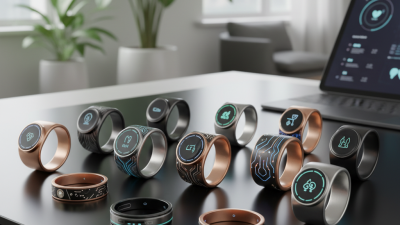
Several brands are leading the market with their innovative offerings. Some rings focus on sleep tracking, providing personalized insights to improve rest quality. Others prioritize fitness metrics, encouraging users to stay active. Certain options also offer mobile app compatibility, allowing users to analyze data over time. These features seem essential, yet they may lack the accuracy some consumers expect.
Brands also introduce varying aesthetics, accommodating different style preferences. From sleek, minimalist designs to more ornate styles, there’s something for everyone. However, customization options can sometimes be limited, which leaves some consumers wanting more. Taking all of this into account, discerning buyers should carefully evaluate their needs before making a choice. The balance between style and functionality is key, but it’s not always easy to find.
Comparative Analysis of Popular Health Smart Rings in the Market
The market for Health Smart Rings is growing rapidly. Many companies now offer devices to track health metrics. These rings can monitor heart rate, sleep quality, and even stress levels. Each device varies in features and functionalities. Some models focus on fitness tracking, while others emphasize holistic health.
When comparing popular Health Smart Rings, several factors come into play. Battery life is crucial. Some rings last only a few days, while others can operate for weeks. Ease of use is another consideration. Users should evaluate the user interface and app connectivity. A complicated setup can diminish the overall experience.
Another point to reflect on is accuracy. Some Health Smart Rings provide inconsistent readings, which may lead to frustration. Users often rely on these metrics for health decisions. Therefore, finding a reliable device is essential. In this diverse market, individual needs vary widely. Choosing the right ring often requires experimenting with different models. Users should prioritize their specific health goals when making a decision.
User Experience: Reviews and Feedback on Health Smart Rings
User reviews play a vital role in understanding the effectiveness of the Smart Ring For Health. Many users appreciate the convenience of having vital health metrics at their fingertips. These rings track heart rate, sleep patterns, and activity levels seamlessly. Users often express satisfaction with the accuracy of data provided. This precision helps individuals make informed lifestyle choices.
However, not all feedback is positive. Some users report issues with connectivity to apps and devices. Battery life can also be a concern, as some rings require frequent charging. While health tracking is useful, inconsistent performance can cause frustration. This leads buyers to question the reliability of their chosen smart ring.
A noteworthy aspect of the user experience is the balance between functionality and aesthetics. Many users prefer a stylish design that doesn’t compromise on performance. For some, the device becomes a part of their daily attire. This highlights the importance of integrating technology with personal style. Thoughtful design enhances user satisfaction, yet not every Smart Ring for Health hits the mark. Collecting honest feedback is essential in refining these innovative tools.
Future Trends in Health Smart Ring Technology and Design
The evolution of health smart rings is witnessing exciting advancements. These devices are becoming staples in personal health management. They offer users real-time data on vital signs, activity levels, and sleep patterns. This focus on health monitoring aligns with growing trends in wearable technology.
Looking ahead, design and functionality are key areas for improvement. Manufacturers are exploring more ergonomic designs, making rings that fit snugly and comfortably. As technology advances, many smart rings will incorporate AI. This integration could enhance user experience by providing personalized health insights. However, challenges remain, such as battery life and data accuracy.
Consumers often seek reliable devices that deliver consistent performance. The reliability of health data is crucial. Users should have access to clear guidance on interpreting this data. As technology evolves, ensuring user trust will be essential for widespread acceptance. Balancing innovation with user-friendly features will shape the future of health smart rings.
Global Market Insights: Health Smart Rings Adoption Worldwide
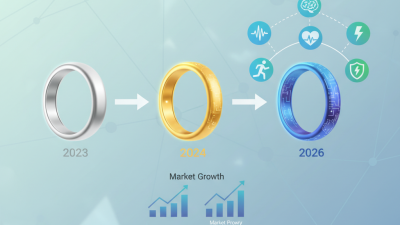
The global market for health smart rings has seen a rising trend. Recent reports indicate that more consumers are adopting these wearable devices due to their convenience and health-monitoring capabilities. By 2023, it is projected that the smart health ring market will grow significantly. According to industry analysis, the market is expected to exceed USD 5 billion by 2025. This data is reflective of an increasing awareness of health and wellness among people worldwide.
Health smart rings offer a range of features such as heart rate monitoring, sleep tracking, and activity logs. Studies show that 68% of buyers prioritize these functionalities when choosing a smart health ring. However, some consumers question the accuracy and reliability of the data provided. This concern highlights the need for continuous improvements in technology. Users should consider checking for independent reviews and reports on device accuracy before making a purchase.
**Tips:** Look for rings that offer comprehensive health insights. Check for certifications to ensure reliability. Always compare user experiences to find the best fit for your health needs. As the smart health ring market evolves, keeping informed will empower buyers to make better choices.
Health Smart Rings Adoption Worldwide
FAQS
: Health smart rings are wearable devices that track heart rate, sleep quality, and physical activity.
Accuracy can vary. Some rings struggle to provide reliable data during intense workouts.
Focus on features, user reviews, comfort, and battery life before making a purchase.
Yes, most smart rings pair with mobile apps for detailed health insights.
Users often face connectivity problems and some rings may require frequent charging.
Many prefer a stylish design that balances function and aesthetics in daily wear.
The market is growing significantly, expected to exceed USD 5 billion by 2025.
User reviews are essential for insight but may vary; some may exhibit bias.
Take time to learn about the metrics. They can be overwhelming at first.
Yes, consumers often question the accuracy and reliability of the data provided.
Conclusion
Health Smart Rings are innovative wearable devices designed to monitor various health metrics, making them a compelling option for individuals focused on personal well-being. Understanding their features is essential when considering a purchase; buyers should look for aspects such as biometric tracking capabilities, battery life, and compatibility with other health apps.
As the market evolves, many brands offer distinct functionalities, which can be compared through user reviews and feedback. The adoption of Health Smart Rings is growing globally, reflecting a broader trend towards integrating technology with health management. Future developments in this field are expected to enhance design and usability, further solidifying their role in health tracking solutions for consumers everywhere.