You know, in today’s super busy world, staying healthy and fit has honestly become more important than ever. I mean, if you look at what the experts are saying — like that report from the International Health, Racquet & Sportsclub Association (IHRSA) — they’re predicting that the fitness tracker market is gonna grow by over 23% in just the next five years. That really shows how more and more folks are becoming aware of taking charge of their own health. And with everyone wanting to get the most out of their workouts, a lot of us are turning to cool gadgets like the Phonee Fitness Tracker. It’s got all the fancy tech but is still pretty user-friendly, making it easier to stay motivated and on top of our training goals.
Honestly, with so many fitness trackers out there, picking the right one can be kinda overwhelming. Data from Statista shows that back in 2022, the global market for wearable fitness tech was around $22 billion — and it’s expected to shoot past $40 billion by 2026. People are really into features like heart rate monitoring, sleep tracking, and GPS because they help us understand our bodies better. That’s why the Phonee Fitness Tracker stands out a bit — it offers some pretty advanced features for anyone serious about pushing their limits and hitting those fitness milestones. All in all, it seems like a pretty solid choice if you’re looking to level up your fitness game.
Overview of Fitness Trackers and Their Importance in Performance
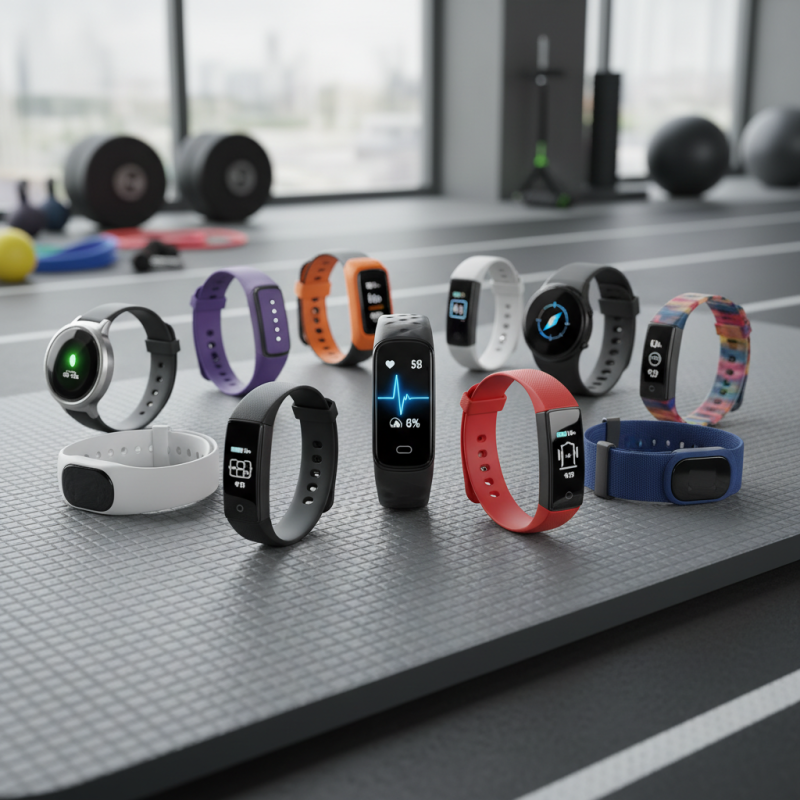
Fitness trackers have become essential tools for individuals striving to improve their physical performance and overall health. By monitoring a variety of metrics such as heart rate, step count, sleep patterns, and calorie expenditure, these devices provide users with valuable insights into their daily activities. This information not only helps users gauge their progress but also encourages them to set and achieve personal fitness goals. With real-time data at their fingertips, individuals can make informed decisions about their workout routines and daily habits, fostering a more proactive approach to health.
Moreover, the importance of fitness trackers extends beyond mere data collection; they cultivate accountability and motivation. Many trackers come equipped with features such as goal-setting, reminders, and even social sharing options, allowing users to connect and compete with friends or family. This social aspect can significantly enhance commitment to fitness regimens, as sharing achievements and challenges with others creates a supportive community. In essence, fitness trackers play a pivotal role in optimizing performance, enabling users to track their journey, stay motivated, and ultimately attain a healthier lifestyle.
Key Features to Look for in a Fitness Tracker
When selecting a fitness tracker, it's essential to focus on key features that can enhance your performance and provide valuable insights into your health. One of the most important aspects to consider is heart rate monitoring. An accurate heart rate sensor allows you to train within your optimal heart rate zone, ensuring that you maximize your workouts while minimizing the risk of injury. Look for trackers that offer continuous heart rate monitoring for the most accurate data throughout the day.
Another crucial feature to seek is seamless app integration. A good fitness tracker should sync easily with a mobile app that provides a user-friendly interface for analyzing your data. The app should offer personalized insights, trends, and even coaching tips based on your activity levels. By having comprehensive analytics at your fingertips, you can adjust your fitness regime effectively.
**Tip:** Ensure the tracker has customizable settings to align with your specific fitness goals, whether it's weight loss, muscle gain, or simply maintaining an active lifestyle.
Lastly, battery life is a pivotal consideration. Longer battery life means less downtime for charging and more reliable tracking data over time. A tracker that can last several days or even weeks on a single charge allows you to focus on your workouts without interruptions.
**Tip:** Look for models with fast-charging capabilities, so you can quickly power up your device during shorter breaks.
Top Fitness Trackers for Running and Endurance Sports
When it comes to running and endurance sports, having the right
fitness tracker can significantly enhance performance.
These devices not only monitor your heart rate and distance but also provide valuable insights
into your overall physical condition. For runners, features such as
GPS tracking, pace analysis, and cadence metrics are critical
for understanding how each run contributes to training goals. The ability to set and track
specific targets, like speed work or long-distance runs, can motivate athletes to stay
disciplined and focused.
Additionally, the best fitness trackers for endurance sports offer advanced metrics like VO2 max
and recovery time, giving athletes a comprehensive view of their fitness levels.
Some models include integration with nutrition tracking, which is essential for long runs
where managing energy intake can make a significant difference.
Water resistance is another vital feature,
as it allows athletes to use the tracker in diverse training environments,
whether they're hitting the trails, the track, or even swimming sessions.
These tools empower athletes to push their limits while also ensuring they
pay attention to their body’s needs for optimal performance.
Best Fitness Trackers for Strength Training Enthusiasts
For strength training enthusiasts, the right fitness tracker can make a significant difference in achieving optimal performance. These trackers are designed to help monitor various metrics that are crucial for strength workouts, including heart rate, calories burned, and even rep counts. With their advanced sensors and algorithms, fitness trackers can provide insights into workout intensity, helping users gauge when to push harder or when to allow for recovery.
In addition to tracking workout metrics, many fitness trackers come equipped with features tailored specifically for strength training. This includes customizable training programs and progress tracking that can highlight improvements in strength over time. Some models even allow users to set specific goals, making it easier to stay motivated and focused on their fitness journey. Moreover, these devices can sync with various fitness apps, offering a more comprehensive view of one's fitness routine and progress, ensuring that every lift is accounted for and adjusted as needed for optimal performance.
Comparative Analysis of Wearable Technology Brands
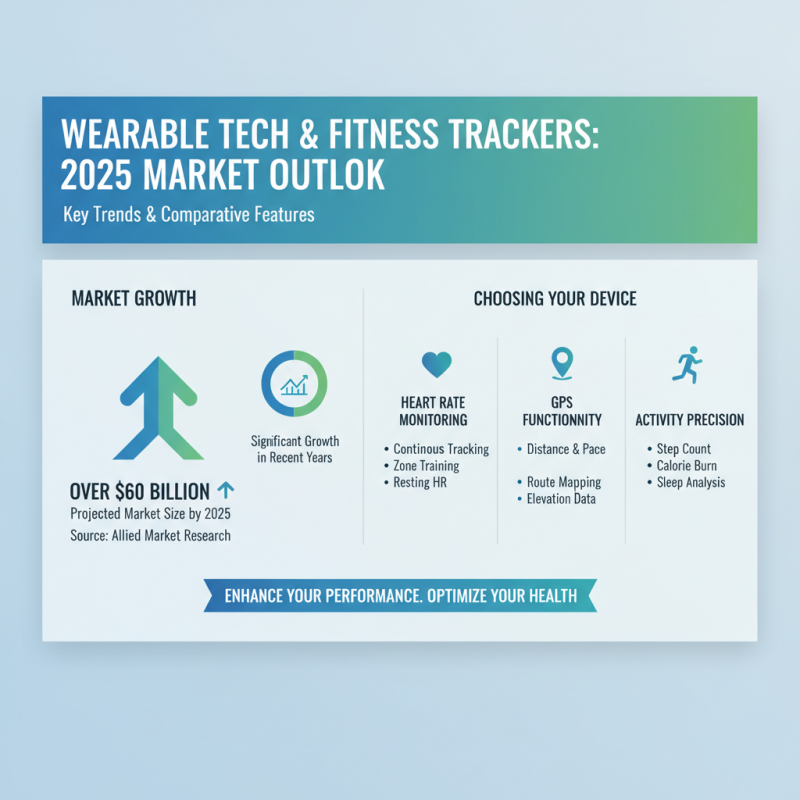
The wearable technology market has witnessed significant growth in recent years, with a projected market size expected to reach over $60 billion by 2025, according to a report by Allied Market Research. As fitness trackers become an integral part of health and wellness regimens, understanding the comparative features of various brands is essential for consumers aiming to enhance their performance. Key metrics like heart rate monitoring, GPS functionality, and activity tracking precision stand out as critical considerations when evaluating these devices.
In this competitive landscape, innovation remains a driving force. A study by Statista indicates that 50% of U.S. adults aged 18-34 currently own a fitness tracker or smartwatch, highlighting a growing trend among younger demographics in adopting health-focused technology. As brands evolve, they emphasize user-friendly interfaces, comprehensive health metrics, and seamless connectivity with mobile apps. Furthermore, advanced features like sleep tracking and personalized coaching are increasingly becoming standard, underscoring the necessity of comparative analysis to identify which devices truly meet the optimal performance needs of users.
User Reviews and Experiences with Leading Fitness Trackers
In 2023, fitness trackers continue to be an integral part of achieving optimal performance in health and exercise regimes. User reviews highlight the importance of comprehensive features that cater to diverse fitness needs. According to recent industry reports, nearly 70% of users prefer devices that offer heart rate monitoring, sleep tracking, and GPS capabilities. These features not only aid in performance assessment but also contribute to improved health outcomes, as seen in studies where individuals utilizing fitness trackers reported a 30% increase in goal achievement compared to those without devices.
When choosing a fitness tracker, it’s essential to consider user experiences and the effectiveness of various metrics. A survey revealed that 65% of users find motivation through engaging with their fitness data, which prompts regular workouts and better dietary choices. It’s also beneficial to look for devices that facilitate easy syncing with mobile applications, allowing users to analyze trends over time and set more realistic goals.
Tips for maximizing the benefits of fitness trackers include setting specific, measurable objectives and regularly reviewing progress within fitness apps. Additionally, consider participating in community challenges offered through these platforms to stay motivated and accountable. Engaging with others can not only enhance the social aspect of fitness but also lead to a more enjoyable and sustainable fitness journey.
Future Trends in Fitness Tracker Technology and Innovation
The landscape of fitness tracker technology is evolving rapidly, with innovations transforming how users monitor their health and performance. One prominent trend is the integration of advanced sensors that provide more accurate and comprehensive data. These sensors not only measure standard metrics like steps taken and calories burned but also track heart rate variability, sleep patterns, and even stress levels. Such detailed insights allow users to tailor their fitness regimens more effectively, making data-driven decisions that enhance their performance.
Moreover, the rise of artificial intelligence is set to redefine the functionality of fitness trackers. AI algorithms can analyze users' data over time, identifying patterns and suggesting personalized workout routines and recovery protocols. This shift towards a more tailored experience empowers users not only to reach their fitness goals but also to maintain long-term health.
Additionally, the incorporation of social features will foster a sense of community and accountability among users, further motivating them to engage in healthy activities. As these technologies continue to advance, the future of fitness trackers promises a blend of personalized health monitoring and enhanced user experience, revolutionizing the way individuals approach their fitness journeys.
Revolutionizing Personal Health: Insights from Industry Reports on Smart Ring Wearable Fitness and Sleep Tracking Technology
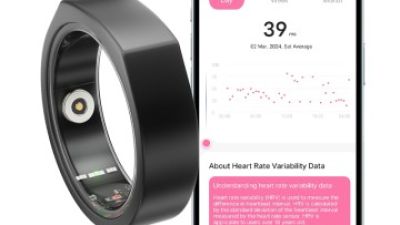
The rise of wearable technology has transformed the landscape of personal health management, with smart rings emerging as a key player in the fitness and sleep tracking arena. Industry reports suggest that the global wearable technology market is projected to reach $62.82 billion by 2025, with a significant portion attributed to the increasing demand for more discreet and comfortable health monitoring devices. Smart rings, in particular, offer a sleek design that seamlessly fits into daily life, providing users with actionable insights into their health metrics without the bulk of traditional wearables.
Recent studies highlight the importance of tracking sleep patterns for overall well-being, indicating that poor sleep quality can lead to serious health issues, including obesity and cardiovascular diseases. Smart rings are equipped with advanced sensors that monitor sleep stages, duration, and quality, allowing users to understand their sleep habits and make informed lifestyle adjustments. According to a report by IDC, the wearables segment focused on health management is growing rapidly, with a year-over-year increase in consumer adoption. This trend underscores the potential of smart rings to assist individuals in achieving better sleep and recovery, nudging them toward healthier choices every day.
The ability to monitor movement and recovery trends is another advantageous feature of smart rings. They provide continuous insights into daily activity levels, promoting a more active lifestyle. A survey by Statista revealed that 54% of respondents expressed a desire for wearables that help them stay active and track their fitness journeys more effectively. By integrating advanced tracking technology into a comfortable form factor, smart rings empower users to take charge of their health while blending effortlessly into their routine.
FAQS
: Focus on key features such as heart rate monitoring, app integration, customizable settings, and battery life to enhance your performance and health insights.
Accurate heart rate monitoring allows you to train within your optimal zone, maximizing workouts while reducing injury risk. Continuous monitoring provides the most reliable data throughout the day.
Seamless app integration provides a user-friendly interface for data analysis, offering personalized insights, trends, and coaching tips that help you adjust your fitness regime effectively.
Customizable settings allow you to align the device’s features with your specific fitness goals, whether it's weight loss, muscle gain, or maintaining an active lifestyle.
Longer battery life means less frequent charging and more reliable tracking data over time, allowing you to focus on your workouts without interruptions.
Advanced sensors are now providing accurate data on heart rate variability, sleep patterns, and stress levels, offering detailed insights for better fitness regimens.
AI algorithms can analyze user data over time to identify patterns, suggest personalized workout routines, and recovery protocols, enhancing the overall user experience.
Incorporating social features fosters a sense of community and accountability among users, motivating them to engage in healthy activities.
The wearable technology market is projected to exceed $60 billion by 2025, reflecting the increasing adoption of fitness trackers in health and wellness regimens.
Focus on heart rate monitoring, GPS functionality, activity tracking precision, and the integration of advanced features like sleep tracking and personalized coaching when evaluating devices.
Conclusion
In 2023, fitness trackers have become essential tools for optimizing athletic performance across various sports, including running and strength training. They provide detailed insights into users' activities, allowing individuals to monitor their progress and make informed fitness decisions. When choosing a fitness tracker, key features such as heart rate monitoring, GPS capabilities, and a user-friendly interface should be prioritized.
Among the top options available, the Phonee Fitness Tracker stands out for its innovative technology and versatility. As wearable technology continues to evolve, trends indicate a growing integration of advanced metrics and personalized coaching features. User experiences highlight the importance of finding a device that not only tracks physical activity but also adapts to the user's lifestyle and fitness goals, paving the way for a more effective and engaging fitness journey.