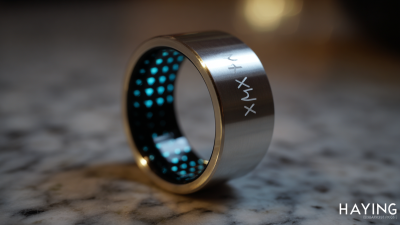
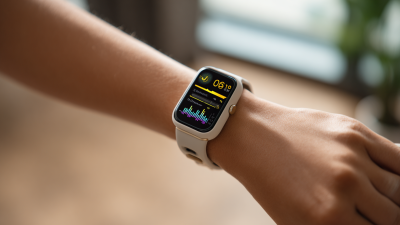
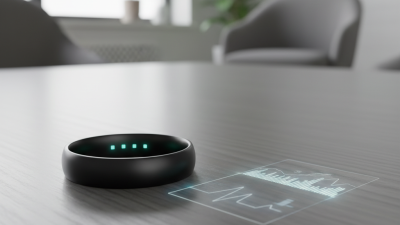
As we head into 2026, it’s pretty exciting to see how Health Smart Rings are really shaking up the wearable tech scene. According to a report from ResearchAndMarkets, the global market for health wearables is expected to hit around $60 billion by then, which definitely opens up a lot of room for new ideas and growth. These smart rings are all about being convenient and accurate, making it easy for folks to keep an eye on things like their heart rate, sleep quality, and daily activity—without any hassle.
Dr. Amelia Cortland, who’s pretty well-known in the wearable health tech world, points out that these rings give people a real boost in taking control of their health right there in the moment. She’s spot-on—it's all about putting the user first. But of course, it’s not all smooth sailing; there are still some hurdles like keeping your data private and making sure devices work well together. As more people start paying attention to their health, they’re also looking for gadgets that they can trust to be both reliable and secure.
All in all, Health Smart Rings represent a pretty big step toward more proactive, personal health management. They’re impressive in what they can do, but conversations around security and how these devices fit into our tech ecosystem are just as important. Striking the right balance between pushing innovation and keeping users safe is definitely the key to the future of Smart Ring Health.
Overview of Health Smart Rings: Introduction and Purpose
Health smart rings have quickly gained popularity among health-conscious individuals. These small, stylish wearables are designed to track essential health metrics. Many users appreciate their convenience and discretion. The goal is to empower users with personalized data about their wellness.
At the core of a Smart Health Ring’s function is its sensor technology. These rings can monitor heart rate, sleep patterns, and stress levels. Users can receive real-time insights discreetly on their fingers, which promotes proactive health management. This immediate feedback allows individuals to make informed decisions about their lifestyle. However, some may find the data overwhelming at times. Balancing data analytics with daily life can be challenging.
Moreover, there is a growing concern about data privacy. As health information is sensitive, users must ensure their data is managed securely. Also, the accuracy of the readings can vary. It’s important to remember that these devices are tools, not substitutes for professional medical advice. As users navigate this new landscape, they may need to reflect on their personal health journeys and expectations.
Benefits of Health Smart Rings in 2026
Key Features of Health Smart Rings in 2026
In 2026,
Health Smart Rings
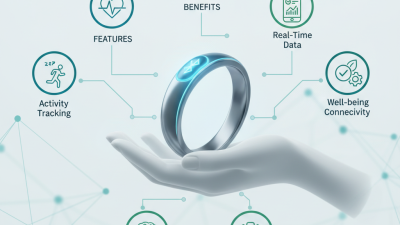
have evolved significantly, offering advanced features that enhance personal wellness. These rings can monitor heart rate, sleep patterns, and activity levels in real time. Users can access their health data through user-friendly mobile applications. This instant feedback helps users make informed decisions about their health.
The design of Health Smart Rings is another notable feature. They come in various styles, catering to different personal preferences. Some may appreciate a sleek, minimalistic look, while others prefer a more robust design. Despite their aesthetic appeal, some users find the technology overwhelming. Not everyone is comfortable with constant connectivity or the data tracking involved.
Battery life has also improved. Many Health Smart Rings now last several days on a single charge. However, some users still express concerns about reliability. They worry about the device failing at crucial moments. Overall, while Health Smart Rings promise numerous benefits, user experiences vary, leading to a complex relationship with health technology.
Health Monitoring Capabilities of Smart Rings
In 2026, health smart rings have transformed personal health monitoring. These compact devices provide a range of tracking capabilities, enabling users to monitor vital metrics conveniently. Heart rate, sleep quality, and even stress levels can be evaluated with just a glance at the ring. This accessibility makes it easier for people to take control of their health.
Many users report noticeable improvements in their well-being. Health smart rings are often praised for their accuracy and real-time feedback. Immediate data helps individuals adjust their routines for better health outcomes. However, the reliance on technology may lead to overemphasis on metrics, causing some to feel anxious about numbers instead of focusing on overall well-being.
Smart Ring For Health continues to evolve, integrating more features while simplifying usability. Users must remain mindful of relying solely on these devices. Balancing technology with traditional health practices remains crucial. While these rings empower health management, awareness of their limitations is essential for a holistic approach.
Benefits of Enhanced Data Tracking for Personal Health
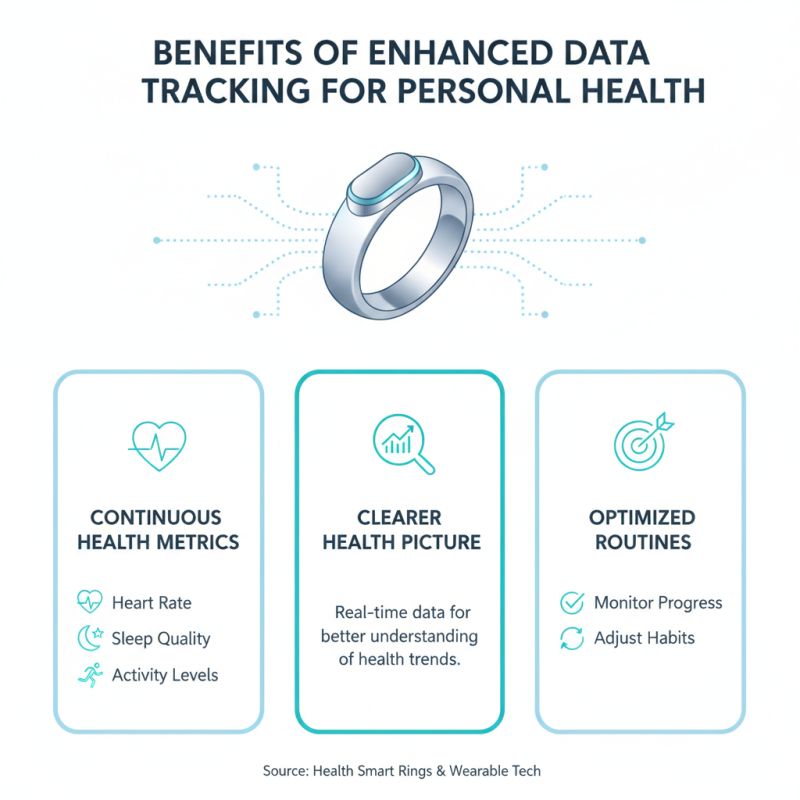
Health smart rings, emerging as a popular wearable technology, offer remarkable benefits for personal health. One key advantage is enhanced data tracking. These rings collect continuous health metrics, such as heart rate, sleep quality, and activity levels. This real-time data gives users a clearer picture of their health trends. Users can monitor their progress and adjust their routines accordingly.
The precision of the data is essential. Accurate tracking can empower individuals to make informed decisions about their lifestyle. However, the challenge lies in interpreting this data effectively. Users may become overwhelmed by the numbers or lose focus on their overall well-being. Simple, intuitive interfaces are vital to avoid confusion. Moreover, the reliance on technology raises questions about data privacy and security. Users need to trust that their information is safe.
Understanding health patterns is not just about data collection. It's also about engaging with that data. Sleep quality, for instance, can influence daily energy levels. Users should reflect on how their habits affect their health metrics. It’s a journey of trial and error, and perseverance is necessary. In this ever-evolving landscape, health smart rings can inspire meaningful changes when users actively interact with their health data.
User Experience and Comfort: The Design of Health Smart Rings
Health smart rings are becoming more popular, particularly in 2026. Their design focuses on user experience and comfort. These rings fit comfortably on various finger sizes. They are lightweight, which makes them easy to wear throughout the day. Their sleek design appeals to many users, blending seamlessly with everyday attire.
However, not everyone finds them perfect. Some users report that the rings can feel too tight after long use. Others express concerns about the sensitivity of the sensors. It’s essential to find the right size to ensure comfort. The materials used in these rings also play a significant role. Choices like silicone or hypoallergenic metal contribute to a more enjoyable user experience.
Despite some challenges, health smart rings are innovative tools. They offer insights into personal health without being intrusive. As their design evolves, user feedback will be vital. It will help manufacturers improve comfort and functionality, creating an even better experience in the future.
Integration with Other Health Technologies and Apps
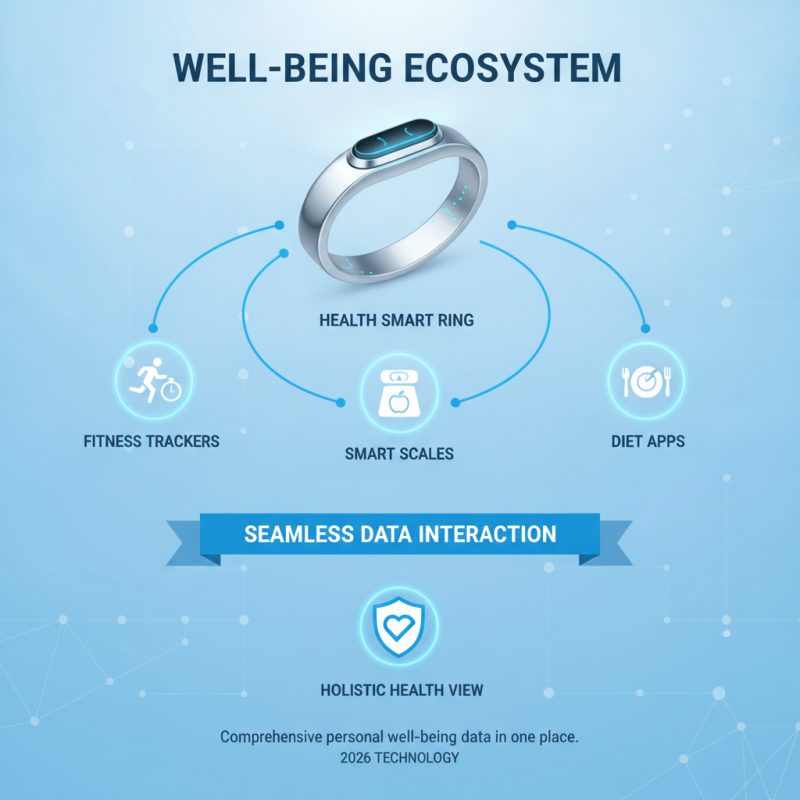
Health smart rings have evolved significantly in 2026. Their integration with other health technologies and apps has created a more holistic approach to personal well-being. Users can now connect these rings to fitness trackers, smart scales, and even diet apps. This seamless interaction enables a comprehensive view of health data in one place.
For instance, when a smart ring detects irregular heart rates, it can notify a paired fitness app. This allows users to adjust their workout plans in real time. Moreover, the rings can sync with nutrition apps, recommending meals based on activity levels and calorie burn. This personalized feedback enhances user engagement and motivation.
However, reliance on technology raises questions. Are users becoming too dependent? Data privacy concerns linger as well. Many people might not fully understand how their data is used. As smart rings integrate further with health technologies, it’s essential to consider these aspects. Achieving a balance between technology use and personal insight remains a challenge.
Future Trends in Health Smart Ring Development
As we look towards 2026, the potential for health smart rings is vast. These devices will likely evolve into essential tools for personal health management. According to a report by Statista, the wearable health technology market is expected to grow by over 23% annually. This suggests that smart rings may offer sophisticated features that track vital signs and even predict health trends.
An emerging trend is the incorporation of AI in smart health rings. Data analytics can provide users with actionable insights. The ability to gather real-time data may help in early disease detection. Personalized health advice could become standard. The benefit? More informed decisions about health and wellness.
Tip: Always keep your smart health ring updated. Manufacturers often release firmware updates that enhance functionality and security.
Despite the exciting potential, challenges remain. Not all users will find the continuous data collection comfortable. Privacy concerns are also significant. A survey by Pew Research indicated that 50% of users are worried about data breaches. Addressing these issues will be crucial for widespread adoption.
Tip: Regularly review your data privacy settings. Understanding how your data is used is essential for maintaining trust.
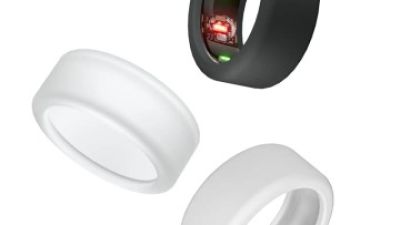
Maximizing Your Smart Ring’s Durability: The Ultimate Guide to Choosing the Right Protective Sleeve
When it comes to maximizing the durability of your smart ring, choosing the right protective sleeve is essential. Smart rings, while fashionable and packed with functionalities, can be vulnerable to everyday wear and tear. A well-designed protective sleeve not only shields your device from scratches and impacts but can also offer water-resistant benefits, enhancing the longevity of your investment. According to industry research, nearly 30% of consumers report incidents of damage to wearable technology, primarily due to drops and exposure to water, emphasizing the importance of robust protection.
Silicone rubber protective cases emerge as a leading choice for smart ring enthusiasts. These cases are designed to absorb shock effectively, ensuring your smart ring remains intact during physical activities or accidental slips. A quality silicone sleeve is lightweight—typically around 9 grams—and can fit snugly without adding bulk, making it an ideal companion for any occasion. Many manufacturers also offer options in various colors, enabling users to personalize their devices while ensuring they are safeguarded. Recent surveys indicate that 65% of users prefer using a protective sleeve that complements their personal style, showing that functionality and aesthetics can go hand in hand.
In addition, the rise of home workouts and fitness tracking has resulted in significant demand for protective accessories for smart wearables. Reports indicate that the fitness technology market is expected to grow by over 25% annually, with an increasing number of consumers seeking versatile solutions to protect their devices during workouts. A smart ring protective sleeve not only supports this trend but also aligns with the growing emphasis on health technology, ensuring that consumers can maintain their active lifestyle without compromising the integrity of their wearables.
FAQS
: They can track heart rate, sleep patterns, and activity levels in real time.
Users can view their data through user-friendly mobile applications.
Some users find the technology overwhelming and worry about constant connectivity.
Many models last several days on a single charge.
Users often notice enhanced well-being and better health management.
Yes, some users feel anxious about numbers instead of focusing on overall well-being.
They may incorporate AI for personalized health insights and early disease detection.
Regular updates enhance functionality and security of the device.
Many worry about data breaches and how their data is used.
Users should be mindful and not rely solely on devices for health management.
Conclusion
The article "What Are the Benefits of Health Smart Rings in 2026?" explores the evolution and significance of Health Smart Rings, devices designed to enhance personal health management. These rings offer key features including advanced health monitoring capabilities, which allow users to track vital statistics in real-time. The benefits of enhanced data tracking are discussed, highlighting how these insights contribute to informed health decisions and potentially improved outcomes.
Moreover, user experience and comfort are pivotal in the design of Health Smart Rings, ensuring that they are not only functional but also comfortable for daily wear. The integration with other health technologies and apps is another crucial aspect, facilitating a seamless health tracking experience. As the article looks to the future, it emphasizes emerging trends in the development of Health Smart Rings, suggesting they will play an increasingly important role in personal health management.